The Practical Appeal of Nose-to-Tail Cooking
Specialty cuts and offal represent some of the most nutrient-dense and flavorful parts of an animal, yet they are frequently overlooked in standard grocery aisles. When home cooks visit an independent counter, stepping beyond ribeyes and pork chops reveals rich connective tissues, silky fats, and versatile organs that elevate everyday stocks, braises, and skillet suppers.
Nose-to-tail cooking is both an economical strategy and a culinary skill. By utilizing every portion of the animal—from the gelatin-packed skull and leg bones down to the liver and kidneys—home cooks reduce kitchen waste while gaining access to textures that standard primal steaks simply cannot produce. These cuts often cost significantly less per pound than center-cut roasts, making them attractive for batch cooking.
Finding reliable offal requires knowing what to ask for and establishing a connection with a dedicated butcher. Many traditional shops keep these parts in reserve or freeze them immediately after fabrication to preserve quality. Learning how to identify freshness, trim tough outer membranes, and balance assertive iron notes opens up an entirely new repertoire of hearty, traditional dishes.
Sourcing and Roasting Marrow Bones
Marrow bones typically come from the beef femur or humerus, where the shaft holds a dense core of rich, buttery fat. When requesting these at the meat counter, ask whether the butcher provides a cross-cut or a canoe-cut. Cross-cut discs stand upright in a roasting pan or simmer gently in stock pots, while lengthwise canoe-cut bones lay flat, exposing the maximum surface area for quick, high-heat broiling.
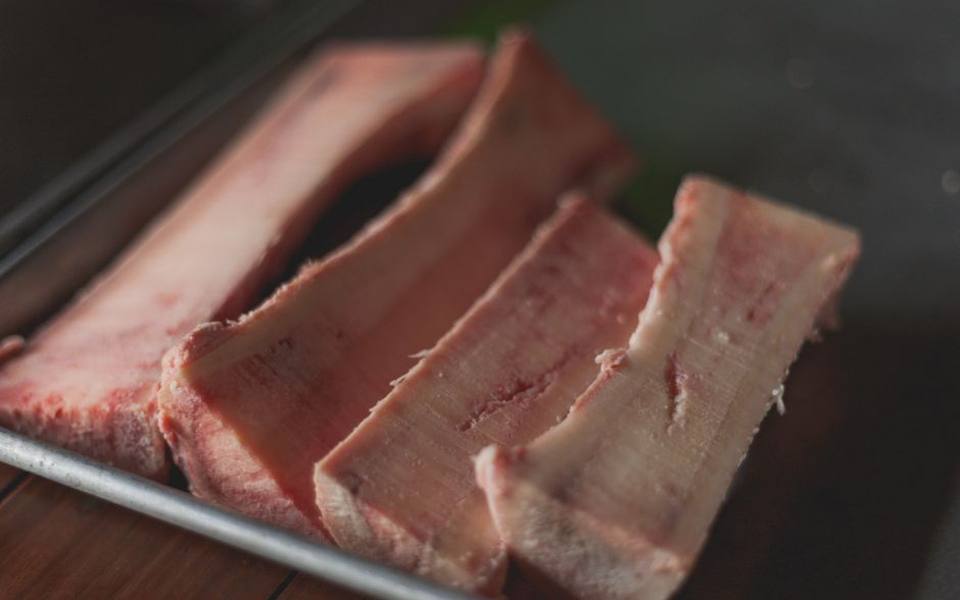
Preparing marrow at home requires very little intervention because the fat carries deep, roasted savor on its own. Soaking raw bones in cold, salted water for several hours or overnight draws out residual blood spots and leaves the marrow clean and ivory-colored. After soaking, roasting the bones at high heat for fifteen to twenty minutes melts the center into a spreadable consistency that pairs naturally with crusty sourdough and fresh parsley.
Never discard the roasted bones after spooning out the soft centers. Even with the rich core removed, the calcified framework remains loaded with residual collagen and roasted aromatics. Tossing these spent bones into a slow-simmering stockpot with leeks, carrots, and peppercorns yields a rich, gelatinous brown stock that forms the foundation for pan sauces and hearty cold-weather soups.
Rendering and Cooking with Beef Tallow
Beef tallow is rendered fat derived either from standard trimmings or, more traditionally, from suet—the hard, crumbly fat surrounding the kidneys and loins. Suet contains less moisture and higher levels of saturated fatty acids than superficial muscle fat, making it the premier choice for home rendering. Butchers often sell raw suet ground or in large chunks ready for the stockpot.
The process of cooking beef tallow involves gently melting raw suet over low heat with a splash of water to prevent scorching. As the water evaporates, the fat liquifies while tiny cracklings crisp up and separate. Straining this golden liquid through cheesecloth produces pure, clean tallow that cools into a firm, creamy white block with exceptional stability and a surprisingly neutral, rich aroma.
Using tallow in the kitchen transforms high-heat searing, deep frying, and pan roasting. Because it features a high smoke point—typically near 400 degrees Fahrenheit—it resists burning far better than butter or unrefined plant oils. Roasted root vegetables, pan-seared burgers, and homemade fries cooked in tallow develop a distinct crispness that remains sturdy long after leaving the pan.
Beef Cheeks and the Chemistry of Low Simmering
Beef cheeks are the facial masseter muscles responsible for the animal's continuous chewing throughout its life. This constant work makes the cut exceptionally tough, lean, and laced with thick webs of connective tissue and collagen. Handled like a standard steak, a cheek would be virtually unchewable, but given enough moisture and time, it transforms into some of the most succulent meat on the steer.
Before braising, trimming the exterior silver skin and excessive outer fat is essential to keep the cooking liquid from becoming greasy. Searing the seasoned cheeks heavily in hot tallow creates a deep crust, after which they are braised slowly in stock, wine, or chile paste. Over three to four hours of gentle simmering, the dense collagen melts into liquid gelatin, coating each strand of tender muscle.
In traditional southwestern and Mexican cooking, beef cheeks form the benchmark for rich barbacoa. Many butcher shops in Texas stock whole cheeks specifically for pit smoking and slow-pot barbacoa tacos. The resulting shredded meat holds onto moisture remarkably well, needing nothing more than fresh lime juice, chopped white onion, and cilantro to balance its profound richness.
Working with Cow Tongue for Tender Results
Cow tongue, often labeled simply as beef tongue or beef ton, is an intensely flavorful, dense muscle cut that demands low, slow cooking. Because it contains high levels of intramuscular fat alongside working muscle fibers, tongue develops a texture similar to tender pot roast when properly prepared, without drying out during extended boiling.
Preparation begins by simmering the whole tongue in water seasoned with garlic, bay leaves, peppercorns, and salt for roughly three to four hours, depending on its weight. The most critical step occurs immediately after it finishes cooking: while the meat is still warm, the thick, bumpy outer skin must be peeled away by hand. Waiting until the tongue cools makes removing this coarse outer layer significantly more difficult.
Once peeled and trimmed of excess gristle at the base, the tender meat can be chilled and sliced paper-thin for deli-style sandwiches, or cubed and seared until crisp for authentic street-style tacos de lengua. Because of its structural integrity, braised tongue holds its shape beautifully across a variety of preparations without shredding apart prematurely.
Fresh Beef Liver and Classic Liver and Onions
Fresh beef liver is widely regarded as the cornerstone of nutrient-dense offal, offering concentrated stores of vitamins and minerals. When shopping for fresh liver, look for bright, glossy purplish-red slabs that feel firm and display no dry edges or sour odors. Sourcing from reputable custom-cut butcher shops ensures the liver was removed, inspected, and chilled rapidly to maintain delicate cell structures.
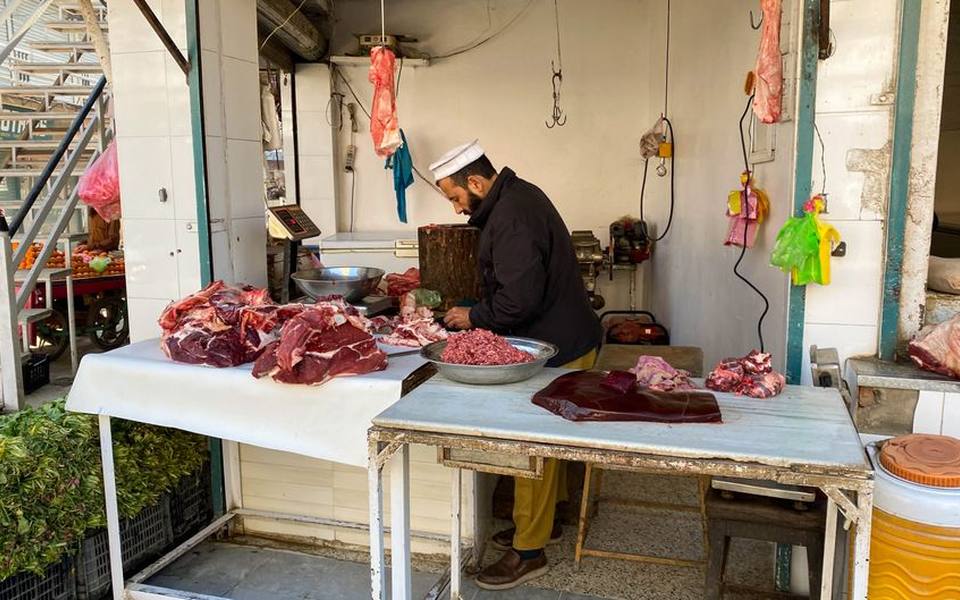
Many cooks who dislike liver were served slices that were overcooked or improperly prepped. To mellow the intense metallic edge that offal can possess, soak the liver slices in cold whole milk, buttermilk, or lightly salted water for thirty to sixty minutes before cooking. Pat the slices thoroughly dry and carefully peel off the thin, fibrous outer skin running along the exterior edges so the meat lays flat.
The classic preparation of cooked liver and onions relies on brief, attentive heat. Onions require a long, slow caramelization in butter or rendered fat until deeply golden and sweet before the liver ever enters the skillet. The seasoned liver should be seared over medium-high heat for merely two to three minutes per side, leaving the center distinctly rosy to preserve a tender, velvety crumb.
Versatile Beef Liver Meals Beyond the Skillet
While skillet searing remains standard, incorporating beef liver meals into regular meal rotations can take several different forms. For those seeking subtle flavor integration, raw liver can be partially frozen, finely minced, and folded into regular ground chuck at a five to ten percent ratio. This blended mix behaves identically to standard ground beef for meatballs, chili, and meat sauces without altering the texture.
Traditional country pâté and terrines offer another sophisticated application for beef liver. Simmered or baked gently with shallots, thyme, heavy cream, and a splash of brandy before being puréed smooth, the liver yields an unctuous spread that mellows noticeably after resting under refrigeration for forty-eight hours. Served alongside sour cornichons and stone-ground mustard, it elevates simple pantry lunches.
Home cooks can also freeze liver in pre-portioned single-meal servings to maintain a steady kitchen supply. Slicing whole liver into quarter-pound cutlets, wrapping each securely in freezer paper, and thawing them slowly in the refrigerator ensures minimal purge and keeps the delicate tissue intact for weeknight cooking.
Repurposing Ham Bones for Soups and Stocks
A leftover smoked ham bone carries exceptional culinary value that reaches far beyond the initial holiday carving. Even after the primary roasts are sliced away, dense pockets of cured meat, smoked cartilage, and rich marrow cling to the center bone. Rather than discarding these remains, savvy cooks store ham bones in the freezer as instant flavor bases for cold-weather cooking.
Using a dedicated ham boner or flexible boning knife allows you to trim off neat table portions while deliberately leaving a generous fringe of meat along the joint. When you introduce this cured bone to a simmering pot of split peas, lentils, or pinto beans, the smoky cure infuses the starch, creating a velvety, deeply seasoned broth without requiring artificial bullion or added table salt.
Simmering a ham bone typically takes two to three hours on gentle heat to pull every trace of collagen and smoky marrow into the soup. Once the joint slides away cleanly from the meat, retrieve the bone, strip off the softened bits of pork, shred them finely, and stir them back into the finished pot alongside greens, carrots, and sweet root vegetables.
Regional Delicacies and Rocky Mountain Oysters
Rocky mountain oysters represent one of the most famous regional offal specialties across the American West and Great Plains. Despite their playful seafood name, they are in fact bull, bison, or calf testicles harvested during routine herd management and livestock processing. When handled fresh, they offer a tender texture comparable to chicken breast or sea scallops, with a mild, slightly savory flavor profile.
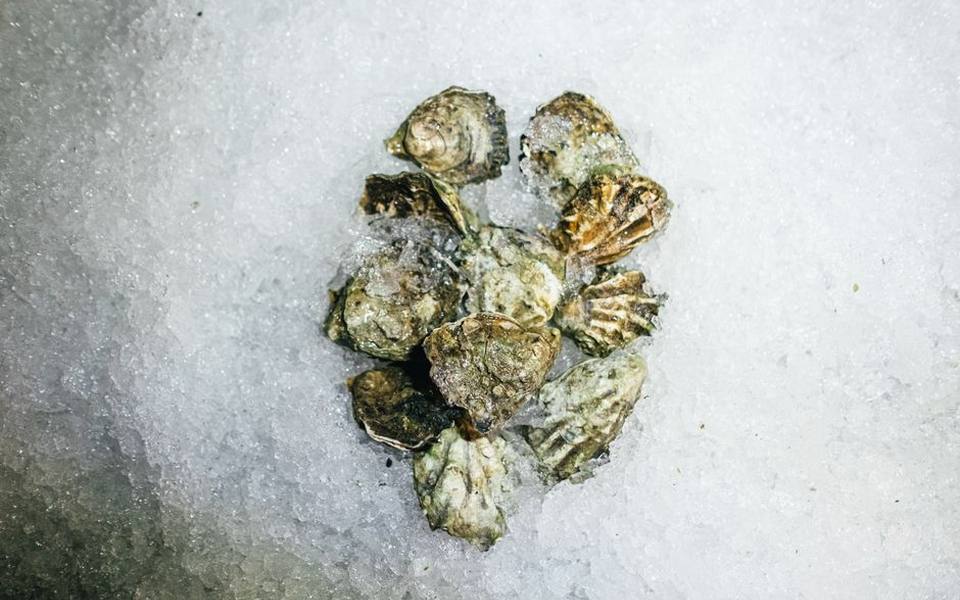
Preparing this specialty requires careful mechanical cleaning before any heat is applied. Each piece is encased in a tough, fibrous membrane that must be split with a sharp paring knife and peeled away cleanly from the softer interior flesh. Once skinned, the tissue is traditionally sliced into half-inch medallions and soaked in buttermilk or lemon juice to tenderize the muscle fibers.
The standard preparation is almost universally fried. Dredged in seasoned flour, cornmeal, or breadcrumbs, the cutlets are submerged in hot tallow or frying oil until golden brown and crisp. In regions with extensive livestock processing, you can occasionally source them fresh through local counters or by consulting the ButcherAtlas directory to locate regional specialty counters.
Navigating Offal Sourcing at Specialty Counters
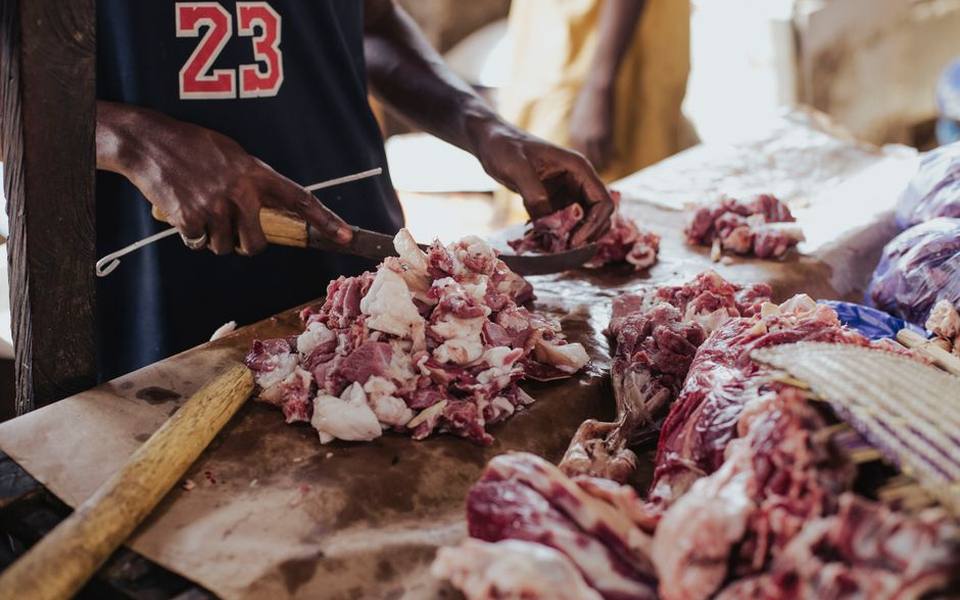
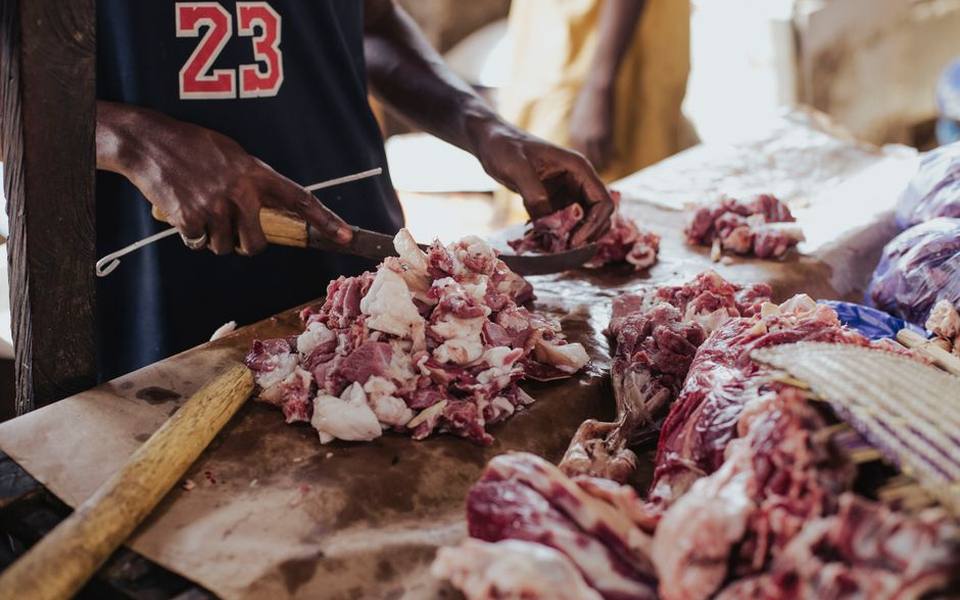
Finding consistent supplies of offal, sweetbreads, suet, and marrow bones starts with understanding how modern butchers operate. Unlike large supermarkets that receive pre-cut, vacuum-sealed primal boxes, whole-animal counters break carcasses in-house, meaning they have immediate access to the full variety of organs and bones, provided you notify them ahead of time.
Cultural meat markets are another outstanding resource for home cooks seeking specialty parts. For instance, visiting certified halal butchers or Latin carnicerías often reveals well-stocked displays of spotless beef liver, ox kidneys, tongues, and feet, held to meticulous freshness and handling standards. Similarly, facilities specializing in deer and game processing frequently offer insights into field dressing and whole-carcass utilization.
When purchasing fresh offal, transport it home promptly in an insulated cooler, as organ meats spoil faster than skeletal cuts due to their higher moisture content and active enzyme levels. Use fresh liver, sweetbreads, and kidneys within twenty-four to forty-eight hours of purchase, or freeze them airtight at zero degrees Fahrenheit until you are ready to prepare your meal.
Published 2026-09-20 · reviewed with each rebuild, last September 2026.
Find butcher shops near you
The directory lists 13,556 butcher shops by state and city — pick your state or use the “Near me” button in the header.
More guides
-
 Buying
Flank Steak vs. Skirt Steak: The Complete Flat Cut Guide
-
 Storage
Storing Fresh Meat and Deli Cuts: Refrigerator and Freezer Timelines
-
 Money
MoneyUnderstanding Beef Prices: Retail Costs, Hanging Weight, and Bulk Buying
-
 Buying
Ribeye vs. New York Strip: Flavor, Marbling, and Texture Compared
-
 Storage
Freezer and Fridge Meat Storage Guide: Shelf Life, Freezing, and Safety
-
 Buying
Ribeye vs. New York Strip: Cut Comparison, Flavor, and Texture
-
 Buying
A Complete Guide to Roasting Prime Rib and Navigating the Butcher Counter
-
 Money
MoneyUnderstanding Beef Costs: From Everyday Retail Cuts to Bulk Whole Cattle Purchases
-
 Owning
Essential Butcher Tools: Meat Thermometer Buying Guide and Knife Sharpening
-
 Buying
Complete Guide to Beef Tenderloin and Filet Mignon
-
 Buying
Bistro Steaks: How to Choose, Prep, and Grill Flank, Flat Iron, Hanger, and Bavette
-
 Buying
Beef Short Ribs, Plate Ribs, and Flanken Cut Guide
-
 Buying
A Guide to Cornish Game Hens, Guinea Fowl, and Specialty Poultry
-
 Buying
Chorizo, Andouille, and Specialty Artisan Sausages: A Practical Guide to World Styles
-
 Buying
Butcher's Guide to Pork Shoulder, Boston Butt, and Country-Style Ribs
-
 Buying
Butcher's Guide to Ribeye, Tomahawk, Cowboy, and Chuck Eye Steaks
-
 Buying
A Butcher's Guide to Deli Meats, Cured Cuts, and Charcuterie Selection
-
 Owning
Butcher Tools Guide: Thermometers, Knife Sharpening, and Essential Supplies
-
 Buying
Corned Beef Brisket: Cut Selection, Home Curing, and Cooking Guide
-
 Buying
Beef Short Ribs and Korean Kalbi Buying and Cooking Guide
-
 Buying
Grass-Fed Beef, Pasture-Raised Meat, and Clean Meat Sticks: A Buyer's Guide
-
 Buying
Pork Spare Ribs, St. Louis, and Country-Style Ribs Guide
-
 Storage
The Practical Guide to Dry Aging Beef at Home and Choosing Equipment
-
 Owning
Butcher's Guide to Rich Chicken Broths and Regional Homemade Soups
-
 Buying
Bacon-Wrapped Jalapeño Poppers: A Complete Butcher's Guide
-
 Buying
A Butcher's Guide to Pork Sirloin Roasts, Stuffed Chops, and Crown Cuts