The Mechanics of a Well-Constructed Popper
A proper bacon-wrapped jalapeño popper balances three distinct components: a tender pepper wall with residual bite, a creamy filling that does not leak into the grease pan, and bacon that crisps fully around the exterior. When any of these elements fall out of balance, the appetizer fails. Bacon that remains rubbery beneath the cheese or a pepper that turns completely to mush indicates incorrect heat management or mismatched ingredient proportions.
Most homemade poppers suffer because the bacon cooks slower than the filling melts. As the cream cheese heats up, it expands and liquefies, while thick pork fat requires sustained heat to render completely. Achieving synchronized doneness means selecting peppers of consistent dimension, pairing them with bacon sliced to the correct gauge, and wrapping each portion with tight surface tension.
Commercial pre-packaged poppers often rely on uniform extruded peppers and watery cheese blends loaded with stabilizers. Preparing them by hand from whole butcher-counter cuts gives you complete control over fat quality, smoke profiles, and heat levels. Whether you intend to use an outdoor charcoal smoker, a high-heat grill, or a standard kitchen convection oven, the assembly principles remain identical.
Selecting Peppers for Uniform Cooking
The ideal jalapeño pepper for wrapping measures roughly three to four inches in length with straight, symmetrical walls. Highly curved or twisted pods create irregular air gaps when wrapped in sliced pork belly, which traps steam and prevents the bacon from rendering crisp against the vegetable skin. Look for peppers that feel heavy for their size with firm, unblemished skin and intact green stems.
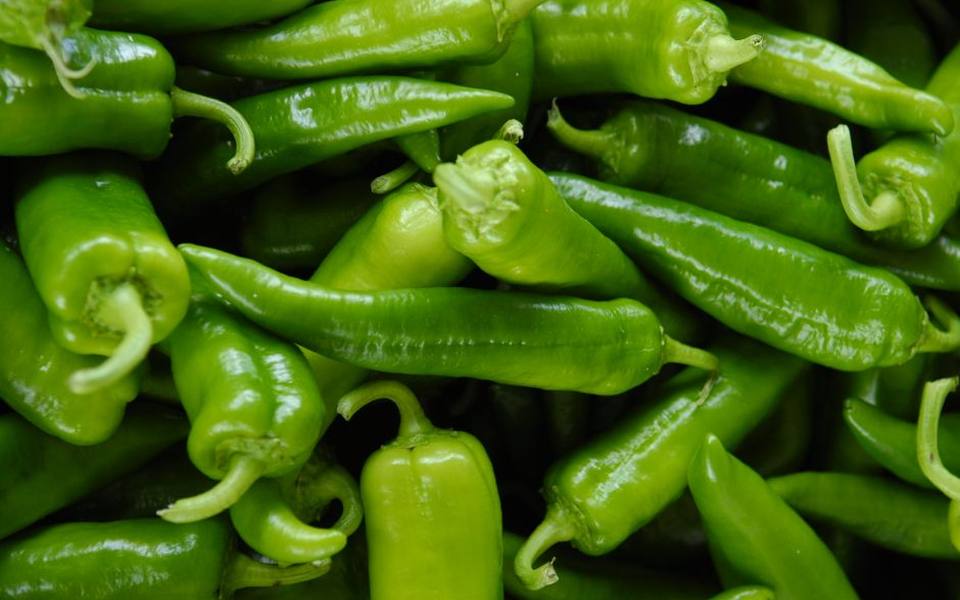
Pay close attention to white lines or stretch marks running along the skin, a characteristic known among growers as corking. Smooth, deep green pods typically carry moderate heat, whereas peppers displaying pronounced corking have endured greater environmental stress and generally deliver a significantly sharper capsaicin bite. Sourcing through local farm stands or grocers allows you to inspect pods individually rather than buying sealed bulk bags.
Uniformity across your entire batch is far more critical than individual size. If you cook small two-inch peppers on the same grate alongside four-inch varieties, the smaller pieces will incinerate before the thick bacon on the larger pods renders out. Sort your peppers by length and thickness before slicing so that similar sizes cook on dedicated sections of your baking sheet or smoker grate.
Sourcing and Sizing Butcher-Cut Bacon
Standard thin-sliced supermarket bacon often tears during wrapping and can dissolve into brittle fragments before the pepper softens. Conversely, ultra-thick slabs will remain chewy and flabby along the underside where the pork touches the damp vegetable flesh. The sweet spot is a medium-thick butcher cut, typically running between twelve and fourteen slices per pound, which allows full fat rendering without tearing during tight wrapping.
Visiting local custom-cut butcher shops gives you direct access to bacon sliced to your exact thickness specifications. A skilled butcher can cut pork bellies to a specific setting on the commercial slicer, ensuring every strip wraps around a halved pod one and a half times. Naturally hardwood-smoked bacon, cured with simple salt and brown sugar, yields superior crust formation compared to bacon treated with liquid smoke.
For guests who avoid pork products, alternative options like beef bacon or cured lamb belly provide sufficient fat content to replicate the traditional texture. Sourcing cured cuts from certified halal butchers ensures quality beef bacon that can be stretched and pinned across the stuffed cavities just like traditional pork bellies, delivering rich marbling and robust savory character.
Safe Handling and Pepper Cavity Preparation
Capsaicin oil bonds stubbornly to skin and cutting boards, making nitrile gloves mandatory equipment when prepping any sizable batch of chilis. Avoid touching your eyes, face, or sensitive surfaces until you have finished coring and thoroughly cleaned your preparation station with dish soap. A simple slip in handling can leave painful residue on hands for several hours despite repeated rinsing with cold water.
Begin by halving each pepper lengthwise directly through the stem, leaving half of the wooden stem intact on each piece if possible. Leaving the stem stub provides visual appeal and helps anchor the narrow end of the bacon strip during wrapping. Some cooks prefer coring the pepper whole from the stem end to create an enclosed cylinder, but halving provides far better heat exposure for the bacon fat.
Use a rounded metal measuring spoon or melon baller to scrape out the seeds and white pithy membrane running along the interior. Capsaicin resides predominantly in this placental tissue rather than the seeds themselves. Scrape down to clean green flesh if you prefer a mild appetizer, or leave strips of membrane intact along the spine to preserve noticeable heat.
Formulating the Cheese and Protein Stuffing
A reliable filling starts with full-fat block cream cheese brought to room temperature for smooth blending without whipping excessive air into the mixture. Whipping air into the filling causes it to inflate and burst open during cooking. To enhance structural body, combine the cream cheese base with equal parts finely shredded sharp cheddar, smoked gouda, or Monterey Jack cheese.
Avoid using pre-shredded bagged cheese, as the powdered cellulose coatings prevent the shreds from melting into a cohesive binder. Season the cheese mixture with granular garlic, cracked black pepper, smoked paprika, and finely minced green onions. Salt should be applied with extreme caution; the enclosing bacon strip will release substantial sodium into the filling as the fat renders downward through the pod.
Upgrading the filling with cooked protein transforms simple hors d'oeuvres into substantial finger food. Incorporating ground venison sausage sourced through local deer and game processing facilities adds deep lean flavor that balances rich dairy fat. Alternatively, folding in finely minced smoked brisket bark or pulled pork trimmings delivers true barbecue pit depth across every bite.
Wrapping Techniques for Maximum Adhesion
Secure wrapping requires using the inherent elasticity of the bacon strip rather than relying strictly on wooden picks. Lay a strip flat on your board and gently run the back of your chef knife along its length to stretch the bacon slightly. This stretching thins out stubborn fat pockets and activates natural surface tackiness, helping the pork adhere directly to itself.
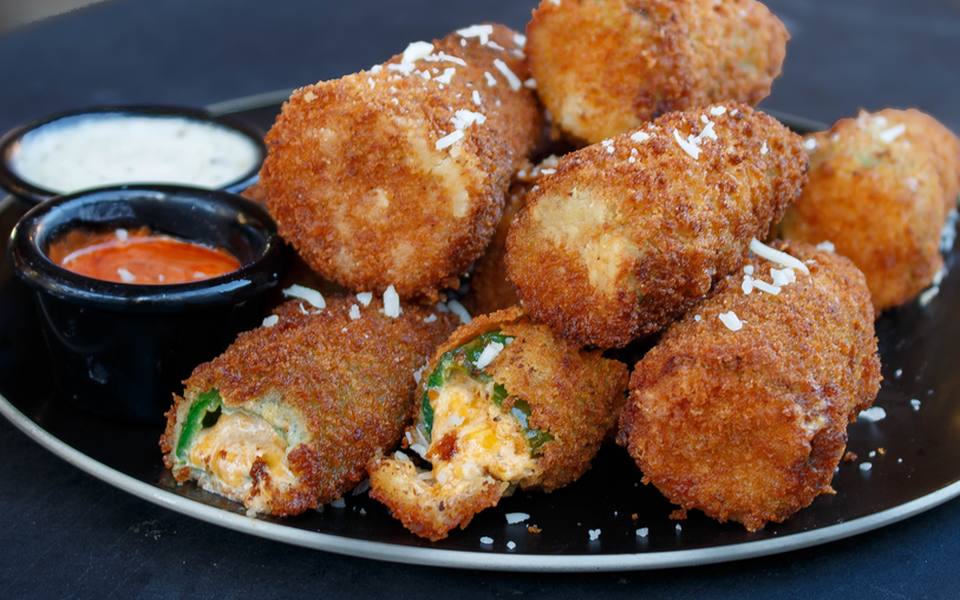
Begin wrapping at the stem end, pinning the starting tail underneath the first spiral layer. Wind the bacon around the pepper body in a smooth spiral, overlapping each loop by approximately one-third of an inch until you reach the tip. The terminal tail must finish directly underneath the bottom of the pepper, where the weight of the popper holds the seam shut during cooking.
While toothpicks can secure stubborn cuts, they often pierce the pepper skin, creating drainage channels that allow liquefied cheese to drain away onto the cooking grate. If you wrap with consistent tension and place every piece seam-side down on the grate, the rendering proteins will naturally cook together and fuse the wrapper tightly around the vegetable core without supplemental hardware.
Smoking for True Barbecue Flavor
Low-temperature smoking yields the deepest flavor profile and allows the bacon fat to render completely without scorching the outer sugars. Pitmasters familiar with traditions around butcher shops in Texas routinely run cookers between 225°F and 250°F when smoking cured appetizers. This gentle thermal environment slowly softens the pepper wall while permeating the exposed cheese filling with clean wood combustion.
Mild hardwoods like pecan, oak, and fruitwoods such as apple or cherry perform best for this application. Heavy resins from mesquite can quickly overpower the delicate dairy filling, leaving an unpleasant acrid taste on the surface. Position the stuffed pods in the indirect cooking zone, keeping them safely away from the direct firebox draft to prevent uneven drying on the side walls.
Smoking typically takes between ninety minutes and two hours, depending on ambient outdoor temperatures and bacon thickness. The poppers are done when the bacon displays a deep mahogany hue, the fat has shrunk tightly against the skin, and the pepper yields easily when gently compressed with tongs. If crisper exterior edges are preferred, raise the pit temperature to 350°F during the final ten minutes.
Baking Indoors with Proper Air Circulation
When cooking indoors, standard sheet pans can ruin bacon-wrapped poppers by forcing them to sit directly in pools of pooled grease. As fat liquefies, the underside of the bacon strip boils rather than roasts, creating a flabby, pale crust that fails to crisp. To solve this, always suspend the prepared poppers on a heavy wire cooling rack fitted snugly inside a rimmed baking sheet.
Preheat your oven to 375°F, utilizing convection fan mode if available to keep hot air circulating across the entire surface of each pod. The elevated wire rack allows radiant heat to cook the bacon from underneath while rendered drippings collect cleanly on the lined pan below. Line the bottom pan with aluminum foil or parchment paper to prevent dripping grease from smoking against the pan surface.
Cooking typically requires twenty-five to thirty-five minutes at this temperature. Check the bottoms of the poppers around the twenty-minute mark to verify even browning. If the bacon appears fully rendered but lacks deep coloration, switch the oven setting to high broil for ninety seconds while monitoring closely, pulling the pan the moment the bacon begins bubbling vigorously.
Direct and Indirect Grilling Tactics
Cooking bacon directly over hot charcoal or gas burners guarantees uncontrollable grease flare-ups that deposit bitter black soot across your food. Successful outdoor grilling requires establishing a firm two-zone fire setup. On a charcoal kettle, bank all coals strictly to one half of the basin; on a gas unit, ignite only the outer burners while leaving the central grates unlit.
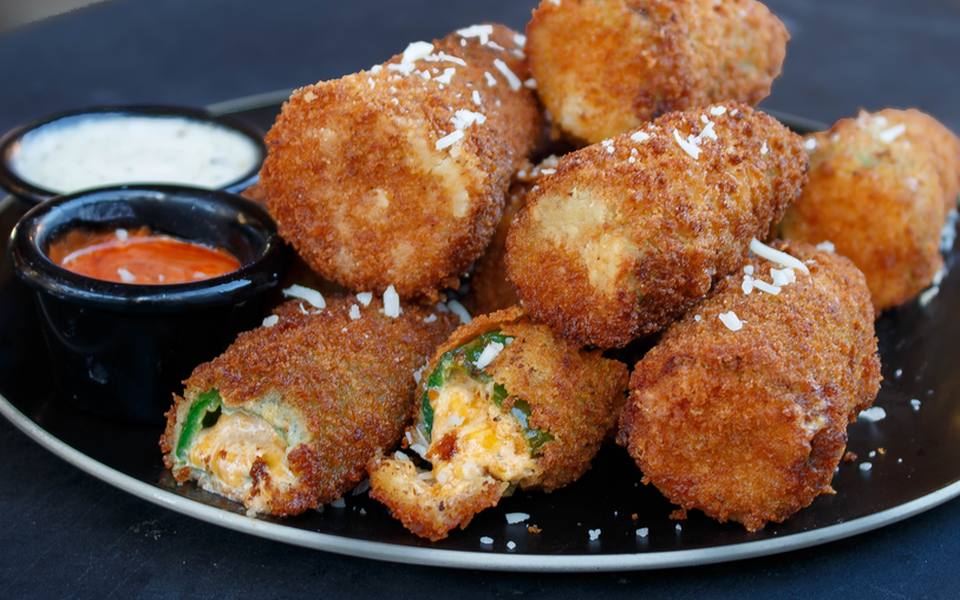
Place the wrapped poppers squarely in the indirect heat zone, positioning the lid vent directly over the peppers to pull heat and smoke across them. Maintain a hood temperature between 350°F and 375°F with the grill lid closed continuously. Resist the urge to lift the lid frequently, as each opening drops convective heat and causes the bacon rendering process to stall out.
Once the bacon has rendered down and clings tightly to the pod—typically after twenty-five minutes—you may use long grill tongs to briefly roll each popper over the direct coals. Thirty seconds of contact over open heat crisps the outer edge without incinerating the pork. Transfer the poppers immediately to a warm serving platter to halt cooking before the filling bubbles out.
Staging, Freezing, and Reheating Strategy
Bacon-wrapped stuffed jalapeño peppers are exceptionally well-suited for advance preparation. You can clean, stuff, and wrap the raw pods up to twenty-four hours before your gathering. Store them arranged tightly in a single layer on a parchment-lined baking sheet, wrapped securely in plastic film to prevent the exposed cream cheese from absorbing ambient refrigerator aromas.
For long-term storage, raw assembled poppers can be flash-frozen directly on a baking sheet until rock solid, then transferred into heavy freezer bags for several months. When cooking from frozen, place them directly onto wire baking racks or smokers without thawing first. Add roughly eight to twelve minutes to the total cook time to account for the frozen core.
Never reheat cooked poppers in a microwave oven, as the steam softens the rendered bacon into a spongy wrap. Instead, place chilled leftover poppers in a 375°F toaster oven or air fryer basket for six to eight minutes. High circulating heat rapidly crisps the fat while warming the cheese core evenly, restoring nearly identical crunch and texture to the original cook.
Published 2026-09-24 · reviewed with each rebuild, last September 2026.
Find butcher shops near you
The directory lists 13,556 butcher shops by state and city — pick your state or use the “Near me” button in the header.
More guides
-
 Buying
Flank Steak vs. Skirt Steak: The Complete Flat Cut Guide
-
 Storage
Storing Fresh Meat and Deli Cuts: Refrigerator and Freezer Timelines
-
 Money
MoneyUnderstanding Beef Prices: Retail Costs, Hanging Weight, and Bulk Buying
-
 Buying
Ribeye vs. New York Strip: Flavor, Marbling, and Texture Compared
-
 Storage
Freezer and Fridge Meat Storage Guide: Shelf Life, Freezing, and Safety
-
 Buying
Ribeye vs. New York Strip: Cut Comparison, Flavor, and Texture
-
 Buying
A Complete Guide to Roasting Prime Rib and Navigating the Butcher Counter
-
 Money
MoneyUnderstanding Beef Costs: From Everyday Retail Cuts to Bulk Whole Cattle Purchases
-
 Owning
Essential Butcher Tools: Meat Thermometer Buying Guide and Knife Sharpening
-
 Buying
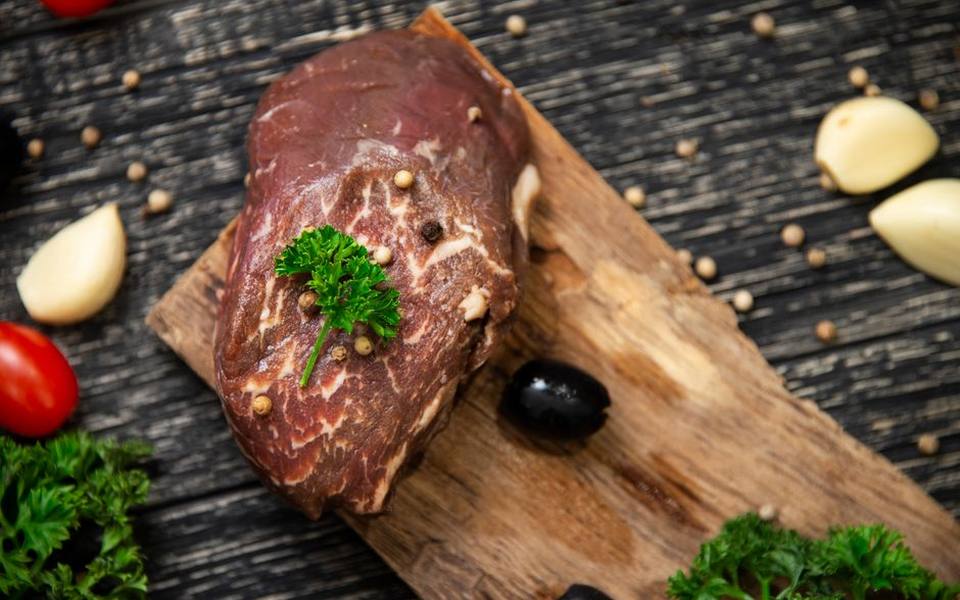
Complete Guide to Beef Tenderloin and Filet Mignon
-
 Buying
Bistro Steaks: How to Choose, Prep, and Grill Flank, Flat Iron, Hanger, and Bavette
-
 Buying
Beef Short Ribs, Plate Ribs, and Flanken Cut Guide
-
 Buying
A Guide to Cornish Game Hens, Guinea Fowl, and Specialty Poultry
-
 Buying
Chorizo, Andouille, and Specialty Artisan Sausages: A Practical Guide to World Styles
-
 Buying
Butcher's Guide to Pork Shoulder, Boston Butt, and Country-Style Ribs
-
 Buying
Butcher's Guide to Ribeye, Tomahawk, Cowboy, and Chuck Eye Steaks
-
 Buying
A Guide to Offal, Beef Tallow, Bone Marrow, and Specialty Cuts
-
 Buying
A Butcher's Guide to Deli Meats, Cured Cuts, and Charcuterie Selection
-
 Owning
Butcher Tools Guide: Thermometers, Knife Sharpening, and Essential Supplies
-
 Buying
Corned Beef Brisket: Cut Selection, Home Curing, and Cooking Guide
-
 Buying
Beef Short Ribs and Korean Kalbi Buying and Cooking Guide
-
 Buying
Grass-Fed Beef, Pasture-Raised Meat, and Clean Meat Sticks: A Buyer's Guide
-
 Buying
Pork Spare Ribs, St. Louis, and Country-Style Ribs Guide
-
 Storage
The Practical Guide to Dry Aging Beef at Home and Choosing Equipment
-
 Owning
Butcher's Guide to Rich Chicken Broths and Regional Homemade Soups
-
 Buying
A Butcher's Guide to Pork Sirloin Roasts, Stuffed Chops, and Crown Cuts