The Core Technique for Roasting Prime Rib in the Oven
Cooking an exceptional prime rib roast in a home oven relies on gentle, controlled heat rather than blast cooking. The most reliable method is the reverse sear, where the meat cooks at a low temperature until it sits just shy of your target doneness, followed by a brief rest and a scorching finish to develop a rich, deeply browned crust. Starting with salted meat brought closer to room temperature prevents the cold center from lagging behind the outer layers.
Begin by seasoning the roast generously with coarse kosher salt and freshly cracked black pepper at least twelve to twenty-four hours in advance. Letting the seasoned beef rest uncovered on a wire rack in your refrigerator dries the exterior surface, which is essential for uniform browning later. When cooking day arrives, set your oven between 225°F and 250°F and place the roast bone-side down in an open roasting pan without adding liquid.
Roast the beef slowly until an internal probe thermometer reads roughly five to ten degrees below your final desired doneness, which typically takes between thirty-five and forty-five minutes per pound at low temperatures. For a warm medium-rare, pull the beef around 120°F to 125°F. The low oven heat prevents gray, overcooked bands of meat along the outer rim, delivering tender, edge-to-edge pink slices when the roast is carved.
Resting, Searing, and Slicing the Finished Rib Roast
Once the roast reaches its preliminary temperature, remove it from the oven and tent it loosely with aluminum foil for twenty to thirty minutes. During this resting phase, the muscle fibers relax and retain their natural moisture, while residual heat pushes the internal temperature upward by several degrees. Resting before the final sear ensures the meat stays juicy while you prep side dishes and sauces.
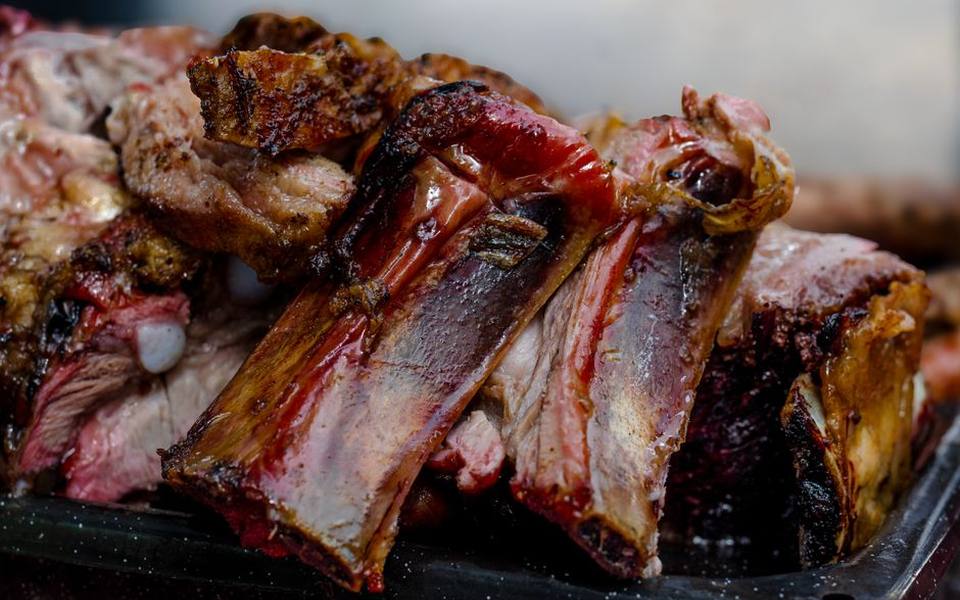
While the roast rests, crank the oven to its highest setting, typically around 500°F or convection broil. Return the uncovered roast to the scorching heat for eight to twelve minutes just before you plan to serve dinner. Watch the roast closely during this phase; you want the fat cap to sizzle and darken into a crisp, mahogany exterior without scorching the delicate connective tissue underneath.
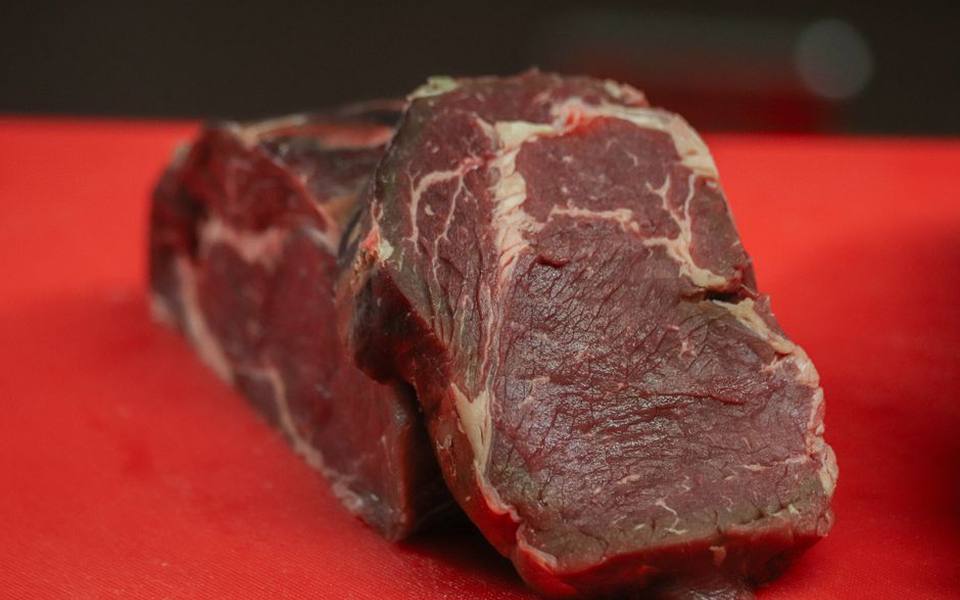
When transferring the roast to a sturdy carving board, slice along the curved rib bones to separate the entire eye of meat from the rack. From there, carve the boneless roast across the grain into portions ranging from delicate half-inch slices to substantial pub-style cuts. Save the carved bones, which are full of savory collagen, for making beef stock or roasting as a standalone meal.
Choosing the Right Cut at the Beef Counter
Selecting the right cut at the meat counter determines the texture and richness of your holiday meal. A standing rib roast consists of ribs six through twelve, nestled along the upper back of the steer between the chuck and the short loin. The loin end, covering ribs ten through twelve, contains the largest single eye muscle with fewer large seams of intermuscular fat, making it easier to carve uniformly.
The chuck end, spanning ribs six through eight, features a thicker ribbon of spinalis dorsi, widely regarded as the most flavorful muscle on the entire animal. If you prefer deep marbling and velvety fat, ask your butcher specifically for the chuck end. For a truly concentrated flavor, many home cooks seek out shops specializing in dry-aged beef, where moisture loss and natural enzyme breakdown create an earthier profile.
You will also need to decide between bone-in and boneless roasts. While the bones act as a natural roasting rack and protect the bottom of the meat from direct heat, boneless roasts offer easier handling and hassle-free slicing. When purchasing a bone-in roast, you can request that the butcher cut the meat away from the bones and tie it back on with butcher twine for the best of both worlds.
Understanding Pork Cuts: Pork Shoulder Versus Pork Butt
Navigating the pork case often leads to confusion regarding pork shoulder and pork butt, primarily because both cuts originate from the animal's front shoulder assembly. Despite its misleading name, the Boston butt sits higher up on the hog, right behind the neck and above the shoulder blade. The picnic shoulder sits directly beneath the butt, tapering down toward the animal's front knee.
Pork butt features intense intramuscular fat marbling and consistent, uniform grain structure, making it the preferred choice for low-and-slow pulled pork, carnitas, and Mexican stews. Because the shoulder blade runs through this cut, heat transfers evenly through the core of the roast, melting collagen into gelatin over several hours of smoking or braising. It resists drying out even when held at cooking temperatures for extended periods.
The picnic shoulder, by contrast, contains more working connective tissue and is frequently sold with a thick sheet of skin still attached. It has a slightly irregular, triangular shape with leaner interior meat. If your goal is moist shredded barbecue, the butt is generally more forgiving; if you want crisp crackling alongside a slow-roasted roast, the skin-on picnic shoulder delivers superior results.
Rib Styles Demystified: St. Louis Ribs Versus Back Ribs
Rib lovers often debate the virtues of back ribs compared to St. Louis cut ribs, though each cut serves a distinct culinary purpose. Baby back ribs are carved from the upper section of the rib cage along the spine, directly below the pork loin muscle. Because they come from the loin area, back ribs are curved, lean, tender, and cook relatively quickly over indirect smoker heat or in a roasting pan.
St. Louis style ribs are fabricated from the lower spare rib section after the butcher removes the breastbone, cartilage tips, and flap meat. This trimming produces a clean, rectangular rack that cooks with remarkable uniformity. Spare ribs carry significantly more marbling and connective tissue between the bones than loin back ribs, producing a rich mouthfeel and deeper pork flavor after the fat renders down.
Choosing between the two depends heavily on your timeline and flavor preferences. Back ribs typically cook in three to four hours and provide tender, easily pulled meat. St. Louis cut ribs often require five to six hours of steady heat to break down their thicker collagen networks, rewarding patient cooks with flat, uniform slabs that glaze and slice with clean precision.
Specialty Cured Delicacies: What Is Guanciale?
When exploring artisan butcher counters and salumi cases, you may encounter guanciale, an Italian cured specialty cut from the pig's jowl or cheek. Unlike American strip bacon or Italian pancetta, which both come from pork belly, guanciale consists of firm, white fat laced with delicate threads of dark, intensely flavored muscle. The jowl muscle works constantly during the animal's life, yielding unmatched density.
Traditional production involves rubbing the raw jowl with sea salt, ground black pepper, and aromatics such as garlic, rosemary, and juniper before hanging it to cure for several weeks. During the curing process, the fat loses water and concentrates its buttery character. It is rarely smoked, which allows the natural sweetness of the rendered pork fat and savory seasonings to dominate the profile.
Guanciale is the indispensable cornerstone of classic Roman pastas, notably carbonara and all'amatriciana. When slowly heated in a skillet, the cured jowl renders an abundant, golden fat that emulsifies seamlessly into sauces without leaving the greasy film common to standard bacon. Sliced thin or cut into thick matchsticks, it provides a distinctive crisp exterior with a velvety, melting bite.
Traditional Charcuterie: What Is Head Cheese?
Head cheese is a traditional meat jelly or cold cut terrine that originated as a thrifty, whole-animal butcher practice across Europe and the American South. Despite the name, it contains no dairy whatsoever. Instead, it is crafted by slowly simmering the cleaned head of a pig or calf with aromatics, separating the tender meat from the skull, and setting the chopped pieces in the animal's natural gelatinous broth.
As the cooking broth chills, the dissolved collagen extracted from the bones, skin, and cartilage firms into a clear or savory savory aspic that binds the meat chunks together. Artisanal butchers frequently season the mixture with black pepper, allspice, bay leaves, vinegar, and minced pickles or parsley to balance the natural richness of the cheek, tongue, and snout meat.
Served cold and thinly sliced, head cheese offers a distinct blend of tender, unctuous textures contrasted against bright, acidic seasonings. It remains a staple on charcuterie boards, inside French-style baguettes with strong mustard, and throughout Cajun meat shops where it is celebrated as souse. It represents one of the oldest and most resource-conscious forms of meat preparation.
Game Meat Distinctions: Wild Hog Versus Wild Boar
In conversations around wild game cooking, the terms wild hog and wild boar are frequently used interchangeably, yet they represent distinct biological and culinary backgrounds. True wild boar refers to the Eurasian species, which carries dense muscle, dark mahogany meat, and a lean profile shaped by a natural forest diet. Feral wild hogs, by contrast, are descended from escaped domestic swine or crossbreeds that proliferate across North American rangelands.
The culinary profile of feral wild hog depends significantly on the animal's forage, age, and dispatch environment. Young wild pigs that graze on acorns, roots, and agricultural fields offer lean, mild meat with subtle earthy notes. Older feral boars can develop tough muscle fibers and pungent hormones, which requires experienced handling by specialized deer and wild game processing specialists to trim aggressive scent glands promptly.
When preparing wild game pork, low-and-slow braising, brining, and long marinades work best to counteract the absence of domestic farm marbling. Because wild animals run constantly, their meat contains far less subcutaneous fat than domestic commercial pork. Cooking wild hog shoulder in moist heat creates succulent carnitas while avoiding the stringy dryness associated with high-heat dry roasting.
Maximizing Flavor: Steak Tips and Proper Marinades
Steak tips are a regional favorite, particularly across New England butcher counters where sirloin flap meat, tri-tip, or bottom round are cut into bite-sized morsels for high-heat cooking. Flap meat, cut from the bottom sirloin, features a coarse, open grain that drinks up seasoned liquids exceptionally well. When marinated properly, these cuts cook quickly on a hot skillet or grill grate without turning chewy.
A balanced marinade for beef tips requires four core components: acid, oil, seasoning, and an umami booster. Acidic ingredients like apple cider vinegar, lemon juice, or dry red wine gently soften the surface proteins, while neutral oils carry fat-soluble spice compounds deep into the meat. Incorporating soy sauce, Worcestershire sauce, minced garlic, and cracked pepper delivers the rich, savory balance that defines classic butcher shop tips.
Timing matters when marinating steak tips. Leaving delicate beef cuts in heavy acidic marinades for longer than twelve hours can denature the protein strands, leaving the surface mushy rather than tender. Four to eight hours in the refrigerator is typically sufficient. Always pat the marinated tips dry with paper towels before placing them on the heat, which ensures immediate, deep searing rather than boiling.
Ground Beef Economics: Hamburger Meat Price Per Pound
Understanding how butcher counters price ground beef helps you budget for everyday meals while selecting the ideal blend for burgers, meatloaves, or sauces. The price per pound for ground beef or hamburger meat depends heavily on the ratio of lean meat to fat, the specific muscle trimmings utilized in the grind, and broader cattle feed costs. Standard 80/20 ground chuck generally costs more than bulk 73/27 ground beef.
When you pay for premium grinds like ground sirloin or ground round, which carry lean ratios around 90/10, you are paying for trimmed, higher-cost primal cuts. However, leaner meat is not always superior; burgers made from very lean grinds tend to turn dry and dense on the grill. The sweet spot for juicy hamburger patties remains 80/20 chuck, where rendered fat bastes the beef from within as it cooks.
Supermarket packaging often conceals water weight through modified-atmosphere trays, whereas neighborhood butcher counters grind trimmings fresh daily from whole subprimals without adding water or fillers. Ordering whole cuts through custom-cut butcher shops allows you to request personalized blends, such as equal parts brisket, short rib, and chuck, giving you restaurant-quality burger meat at a fair, straightforward per-pound price.
Talking to Your Butcher for Better Weeknight Meals
Stepping up to a traditional butcher counter can feel intimidating if you are accustomed to buying pre-wrapped styrofoam trays, but open communication yields better food. Professional meat cutters are happy to trim excess silver skin, tie standing roasts, or grind specific ratios if you ask clearly. Sharing your cooking method and timeline allows them to recommend the most cost-effective cut for your recipe.
Regional variations also shape counter availability; for example, home cooks visiting butchers across Texas frequently find expansive selections of whole brisket and beef ribs, whereas northern counters might stock more veal and stewing fowl. If you do not see a specific cut in the display case, ask whether whole primals are hanging in the cooler waiting to be cut.
Butchers can also give you realistic estimates on how much raw meat to purchase per guest, accounting for bone loss and cooking shrinkage. As a practical rule of thumb, plan on three-quarters of a pound to one full pound per person for bone-in roasts like prime rib, and one-half pound per person for boneless cuts. Asking questions turns a simple meat run into an educational culinary partnership.
Published 2026-09-20 · reviewed with each rebuild, last September 2026.
Find butcher shops near you
The directory lists 13,556 butcher shops by state and city — pick your state or use the “Near me” button in the header.
More guides
-
 Buying
Flank Steak vs. Skirt Steak: The Complete Flat Cut Guide
-
 Storage
Storing Fresh Meat and Deli Cuts: Refrigerator and Freezer Timelines
-
 Money
MoneyUnderstanding Beef Prices: Retail Costs, Hanging Weight, and Bulk Buying
-
 Buying
Ribeye vs. New York Strip: Flavor, Marbling, and Texture Compared
-
 Storage
Freezer and Fridge Meat Storage Guide: Shelf Life, Freezing, and Safety
-
 Buying
Ribeye vs. New York Strip: Cut Comparison, Flavor, and Texture
-
 Money
MoneyUnderstanding Beef Costs: From Everyday Retail Cuts to Bulk Whole Cattle Purchases
-
 Owning
Essential Butcher Tools: Meat Thermometer Buying Guide and Knife Sharpening
-
 Buying
Complete Guide to Beef Tenderloin and Filet Mignon
-
 Buying
Bistro Steaks: How to Choose, Prep, and Grill Flank, Flat Iron, Hanger, and Bavette
-
 Buying
Beef Short Ribs, Plate Ribs, and Flanken Cut Guide
-
 Buying
A Guide to Cornish Game Hens, Guinea Fowl, and Specialty Poultry
-
 Buying
Chorizo, Andouille, and Specialty Artisan Sausages: A Practical Guide to World Styles
-
 Buying
Butcher's Guide to Pork Shoulder, Boston Butt, and Country-Style Ribs
-
 Buying
Butcher's Guide to Ribeye, Tomahawk, Cowboy, and Chuck Eye Steaks
-
 Buying
A Guide to Offal, Beef Tallow, Bone Marrow, and Specialty Cuts
-
 Buying
A Butcher's Guide to Deli Meats, Cured Cuts, and Charcuterie Selection
-
 Owning
Butcher Tools Guide: Thermometers, Knife Sharpening, and Essential Supplies
-
 Buying
Corned Beef Brisket: Cut Selection, Home Curing, and Cooking Guide
-
 Buying
Beef Short Ribs and Korean Kalbi Buying and Cooking Guide
-
 Buying
Grass-Fed Beef, Pasture-Raised Meat, and Clean Meat Sticks: A Buyer's Guide
-
 Buying
Pork Spare Ribs, St. Louis, and Country-Style Ribs Guide
-
 Storage
The Practical Guide to Dry Aging Beef at Home and Choosing Equipment
-
 Owning
Butcher's Guide to Rich Chicken Broths and Regional Homemade Soups
-
 Buying
Bacon-Wrapped Jalapeño Poppers: A Complete Butcher's Guide
-
 Buying
A Butcher's Guide to Pork Sirloin Roasts, Stuffed Chops, and Crown Cuts