The Anatomy of the Tenderloin and the Filet Mignon Cut
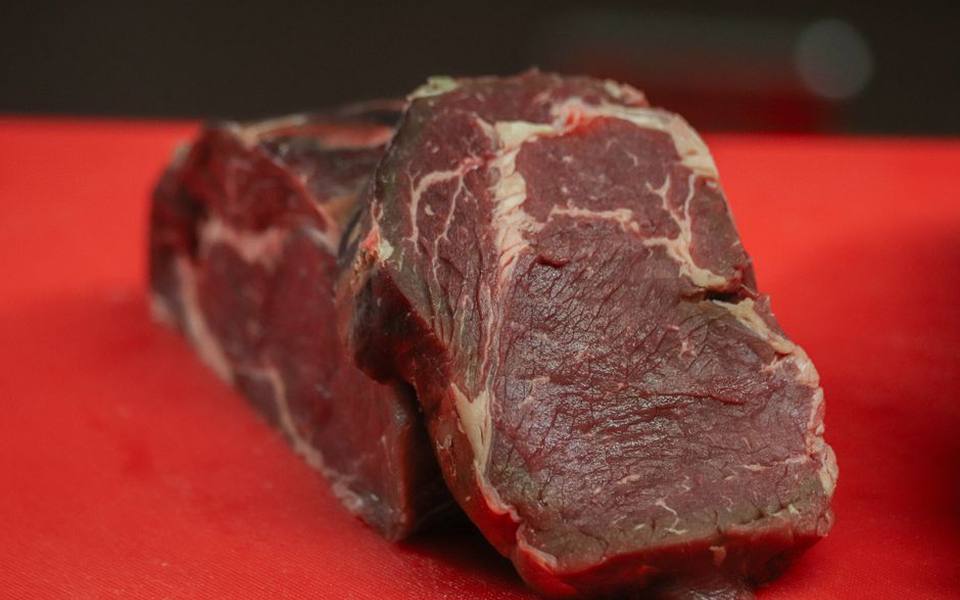
Beef tenderloin comes from the loin primal of the steer, resting beneath the spine alongside the kidney fat. Formally known to meat scientists as the psoas major muscle, this cut does virtually no physical work during the animal's life. Because the muscle fibers experience minimal tension, they develop exceptionally fine grain and almost zero tough connective tissue. That physiological reality makes the beef loin tenderloin universally recognized as the most tender piece of beef on the carcass.
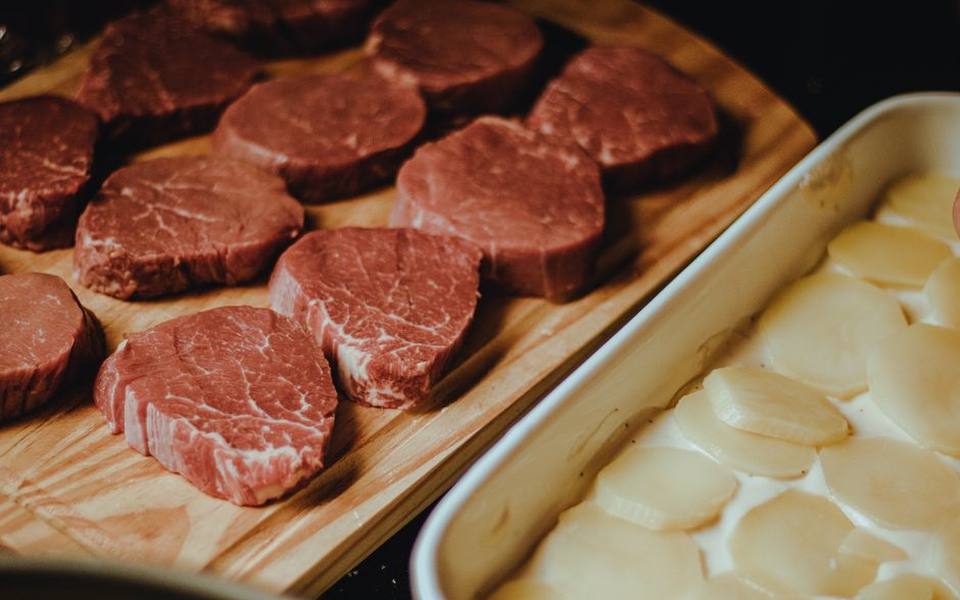
Shoppers frequently wonder about the linguistic difference between beef tenderloin and filet mignon steak. In classical butchery, tenderloin refers to the entire whole subprimal muscle, whereas filet mignon—translating from French as cute or delicate fillet—technically refers only to small medallions sliced from the narrower end. In modern American meat counters, butchers and home cooks casually use terms like filet mignon beef, mignon steak, and tenderloin steak interchangeably to describe individual steaks sliced from across the entire center section.
While this muscle delivers unmatched tenderness that easily yields to a dull butter knife, it carries relatively modest intramuscular fat compared to cuts like ribeye or strip loin. The mild, buttery profile of beef mignon appeals heavily to diners who dislike heavy tallow flavor or thick ribbons of gristle. Understanding this anatomical balance between maximum tenderness and subtle beefiness is the essential foundation for buying, butchering, and cooking the cut properly.
The Three Anatomy Zones: Butt, Center-Cut, and Tail
A whole untrimmed tenderloin is an elongated, tapered muscle divided into three distinct culinary zones: the butt, the center-cut, and the tail. The butt end, often called the head, sits closest to the sirloin and represents the thickest portion of the cut. It features an irregular shape and split lobes of meat separated by a seam of fat, making it slightly uneven for standard steak slicing but spectacular when tied as a dinner roast or cubed for skewers.
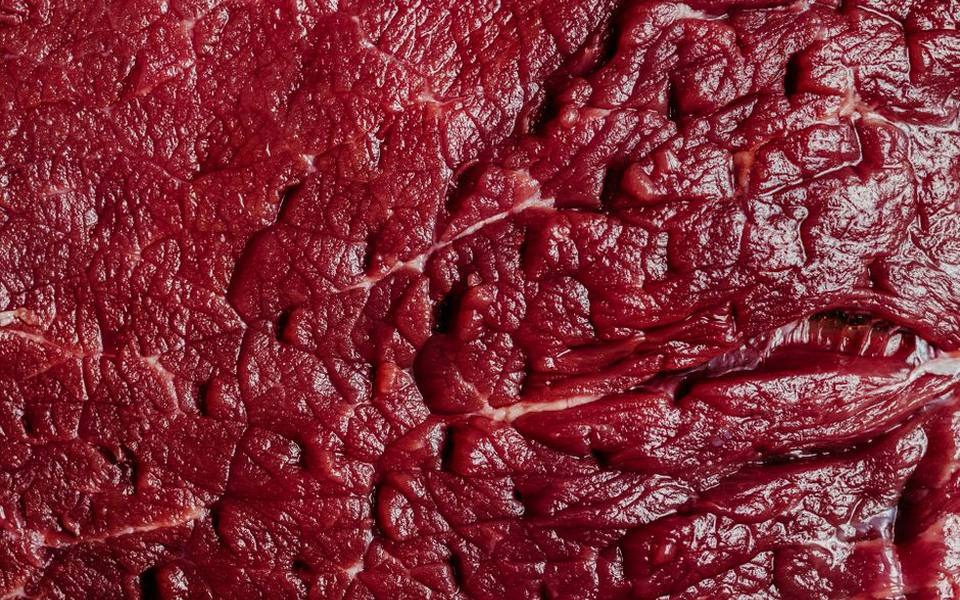
The prized midsection is the center-cut, known in classical French culinary tradition as the Chateaubriand when left intact as a roast. This portion provides perfectly cylindrical, uniform logs of beef that slice cleanly into classic fillet steak mignon medallions of consistent diameter. Because the center-cut maintains an even thickness from end to end, steaks cut from this segment cook with predictable precision across pans, broilers, and open grates.
The tail end tapers down to a sharp, narrow tip that thins out drastically. Trying to cook the tail as an isolated steak alongside a thick center medallion inevitably leaves the narrow end overcooked and dry. Skillful cooks fold the tail back onto itself and tie it securely with kitchen twine to mimic the diameter of a center medallion, or they slice the tail raw into medallions for beef stroganoff, stir-fries, and tartare.
Buying Whole Tenderloin Versus Pre-Cut Steaks
When browsing a local butcher case or warehouse club, you will encounter tenderloin in two primary forms: individual pre-portioned steaks or whole cryovac-sealed subprimals labeled as PSMO, which stands for peeled, silver skin on, side muscle on. Whole unpeeled loins typically cost substantially less per pound than individually pre-cut steaks. However, buying a whole subprimal requires factoring in trim loss, which typically reduces the raw starting weight by roughly twenty to thirty percent.
Pre-cut filet steaks provide complete convenience without requiring knife work, butchering boards, or waste disposal. They allow cooks to select exact thicknesses, whether that means a thin six-ounce dinner medallion or a towering eight-ounce barrel cut. Visiting shops that specialize in custom cutting gives you direct control over portion sizing while letting the meat cutter handle the tedious chore of trimming connective tissue.
For larger gatherings or holiday roasts, buying whole subprimals remains economically practical if you possess a sharp boning knife and a basic understanding of fabrication. The trimmings, including the lean meat scrap from the side muscle and the tail, produce exceptionally flavorful ground beef, stew meat, or chili grind. Evaluating whether you have the time and culinary plans for those secondary trimmings will determine whether whole loins or portioned cuts make more sense.
Understanding Meat Grades and Aging Profiles
Beef grading determined by agricultural inspectors categorizes carcasses primarily by intramuscular marbling and the chronological age of the cattle. Choice grade tenderloin is by far the most common tier found in regional meat cases; it offers standard softness and reliable tenderness with modest fat flecks. USDA Prime tenderloin features noticeably denser marbling, producing a richer mouthfeel and increased juiciness that helps prevent the cut from tasting flat.
Because the psoas major naturally lacks heavy seam fat, moisture retention during high-heat cooking relies heavily on whatever marbling exists within the grain. Pasture-raised and purely grass-finished loins can be strikingly lean with an earthy, mineral-rich palate that demands careful cooking to prevent drying out. Grain-finished cattle, by contrast, yield sweeter, mild fat notes that create the signature velvety texture people associate with restaurant steaks.
While ribeyes and strip loins undergo extensive aging to break down tough fibers, tenderloin requires very little tenderization because it is soft by nature. Still, exploring markets with dedicated dry-aged beef inventories can introduce nutty, earthy funk and concentrated umami to an otherwise mild-mannered cut. Dry aging also removes excess internal water, leading to a much faster, crisper crust when the raw medallion contacts hot cast iron.
Trimming a Whole Subprimal: Chain, Fat, and Silverskin
Fabricating a whole tenderloin begins with laying the cold muscle out flat on a generous cutting board and removing the surface moisture with paper towels. Along one entire edge of the loin runs a loose, ragged rope of meat and bumpy fat known to butchers as the chain. You can detach most of the chain simply by working your fingers between the seam and gently peeling it backward, using the tip of a flexible boning knife only where connective membranes resist separation.
Once the chain is removed, you will expose thick pads of surface tallow and a distinct, iridescent band of connective tissue known as the silverskin. Silverskin consists of elastin, a protein that does not melt or dissolve during low or medium-heat cooking; leaving it intact causes the steaks to cup, curl, and turn unpleasantly chewy at the edge. Trimming silverskin cleanly requires sliding the knife flat just under the membrane at one end, creating a small tab.
Grasp that membrane tab firmly with your free hand using a paper towel for grip, then slide your sharp blade forward along the underside of the silver ribbon, angling the cutting edge slightly upward toward the skin rather than down into the expensive muscle. Work in long, smooth strips from tail to head until the surface of the center log displays clean, unobstructed red meat. Collect the discarded lean scraps for grinding rather than tossing them into the trash.
Pan-Searing Techniques for Thick Medallions
Cooking a classic filet mignon beef medallion to restaurant quality requires balancing high surface heat with gentle interior warming. Because this steak is often cut thick—often between one and a half to two inches tall—dropping a cold steak into a smoking pan frequently burns the exterior long before the cold core reaches medium-rare. Allow the meat to sit on the counter for roughly thirty to forty minutes prior to cooking so the chill dissipates evenly.
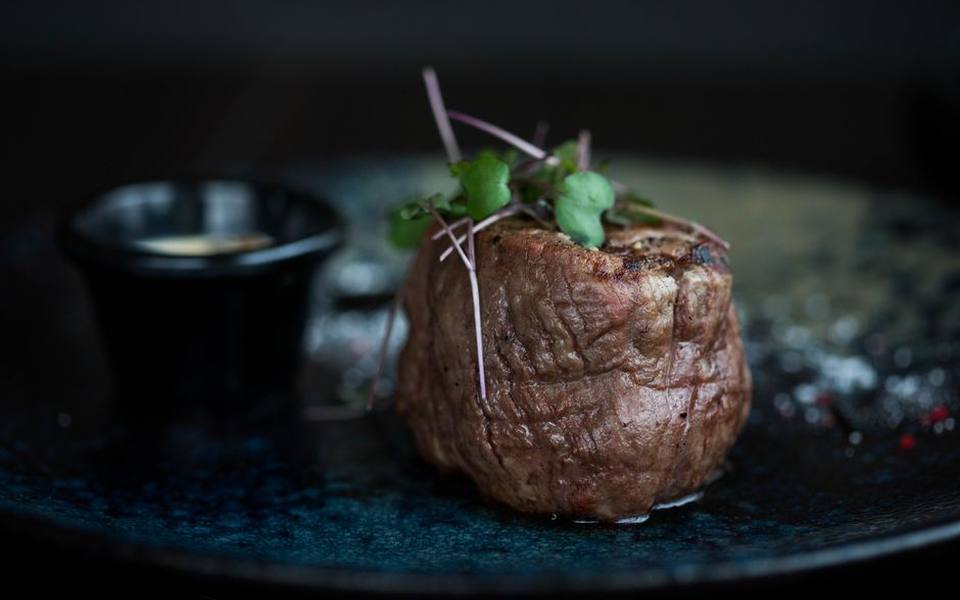
A heavy cast-iron or carbon steel skillet holds heat efficiently, preventing the thermal crash that happens when cold meat contacts thin cookware. Generously season the steaks with coarse kosher salt and freshly cracked black pepper right before they hit the pan. Sear the flat surfaces in a high-smoke-point oil like avocado or refined tallow over medium-high heat for several minutes until a deep, mahogany crust develops across the surface.
During the final two minutes of pan contact, reduce the burner heat and drop two tablespoons of unsalted butter, crushed garlic cloves, and sprigs of fresh thyme or rosemary into the skillet. Tip the pan slightly so the bubbling, foaming butter pools at the bottom edge, and use a large spoon to repeatedly ladle the hot seasoned butter over the top of the steaks. This basting method distributes gentle heat downward while infusing rich aromatics into the lean meat.
Grilling and the Reverse Sear for Large Cuts
While direct grilling works well for thinner steaks, thick-cut medallions and large intact roasts benefit dramatically from a two-zone indirect setup or a reverse sear approach. On a charcoal or gas grill, create a hot direct zone over active coals or high burners, alongside an indirect zone with zero direct flame. Placing thick meat over indirect heat lets the interior gently climb toward target temperature without scorching the outer layers.
The reverse sear flips traditional cooking logic by roasting the meat slowly at low temperatures—typically between two hundred and twenty-five to two hundred and fifty degrees Fahrenheit—before searing it. As the meat warms gradually inside an indirect grill or low oven, the moving warm air dehydrates the exterior surface completely. A dry exterior browns in a fraction of the time when exposed to the final finishing flame, reducing the gray ring of overcooked meat below the crust.
Transfer the meat to blistering direct heat or a screaming hot grill grate only when its internal core sits roughly ten degrees below your desired final pull point. Sear each side for sixty to ninety seconds, just long enough to create grill marks or a continuous crust without penetrating deeper into the muscle. This method guarantees an edge-to-edge rose-pink core throughout the steak rather than a bullseye of well-done meat surrounding a raw center.
Preparing the Center-Cut for Classic Beef Wellington
Beef Wellington represents the pinnacle presentation of a whole center-cut tenderloin, encasing the tender beef inside layers of mushroom duxelles, cured ham, and flaky puff pastry. Success depends entirely on managing moisture, because excess liquid escaping from the beef or mushrooms will turn the bottom pastry crust soggy and doughy during baking. A well-trimmed, cylindrical barrel cut tied uniformly with twine ensures consistent cooking throughout the pastry envelope.
Before assembling the parcel, sear the exterior of the chilled beef rapidly in an extremely hot pan for thirty seconds per side just to develop browning, then immediately strip away the twine and chill the meat completely in the refrigerator. Searing raw meat seals in nothing, but it generates essential flavor compounds and kills surface bacteria before the meat is wrapped inside dough. Brushing the cooled beef lightly with English mustard adds pungent acidity that cuts through the buttery pastry.
Wrap the mustard-coated beef tightly inside plastic wrap surrounded by prosciutto and a finely chopped, dry-cooked mushroom duxelles paste, chilling it into a rigid, compact log before rolling it into cold puff pastry. Scoring decorative patterns across the pastry top and brushing it thoroughly with an egg wash creates a golden, glistening crust while vented slits let trapped steam vent safely outward rather than bursting the pastry seams.
Shopping at Neighborhood Butcher Counters
Navigating a meat shop counter becomes effortless when you speak the language of the butcher. If you want steaks with specific proportions, ask the cutter for barrel-cut center steaks tied with string to maintain a circular shape during cooking. Across regions with dense livestock networks, such as butcher shops in Texas, meat cutters frequently receive whole sides of beef and can cut custom portions directly from hanging primal loins on demand.
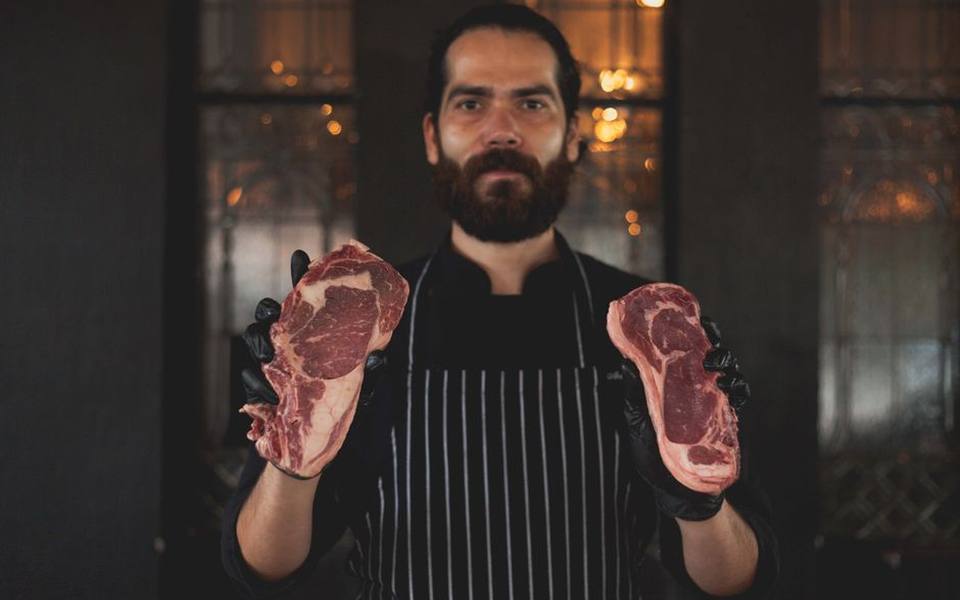
If you plan to prepare a holiday roast or a formal dinner party, calling your butcher several days in advance is always wise. Ask whether the whole loins are wet-aged in vacuum packaging or dry-aged on open shelves, and confirm whether the shop prices by raw hanging weight or final trimmed weight. Knowing whether the quote includes the removal of the chain and silverskin prevents unexpected surprises at the register when paying for premium beef.
Do not hesitate to ask the butcher to tie your roast or wrap the trimmings separately for your domestic freezer. Professional butchers possess commercial-grade boning blades and years of repetitive motor skill, allowing them to clean an entire subprimal in under two minutes with virtually zero wasted meat. Their expertise saves you time while ensuring you carry home cleanly fabricated cuts ready for immediate culinary use.
Resting, Slicing, and Safe Temperature Targets
Because beef tenderloin contains minimal fat to insulate its muscle fibers, overcooking it past medium-rare results in a chalky, dry texture with very little character. To achieve an ideal medium-rare finish, pull the meat from the heat source when an instant-read probe reads roughly one hundred and twenty-five to one hundred and thirty degrees Fahrenheit. Residual thermal energy stored in the exterior meat will cause the internal temperature to rise another three to five degrees during the rest.
Resting is a non-negotiable step for all tenderloin cuts, whether cooking an entire multi-pound holiday roast or a solitary six-ounce medallion. Allow smaller individual steaks to rest loosely tented under foil for five to eight minutes, while roasts require a full ten to fifteen minutes of undisturbed resting. This pause gives the tense muscle proteins time to relax, reabsorbing savory juices back into the cellular structure rather than dumping them across your cutting board.
When carving a whole roast or thick medallion, position your slicing blade directly perpendicular to the visible grain lines. While tenderloin fibers are already inherently delicate and short compared to flank or brisket, cutting across the grain maximizes the velvety tenderness in every bite. Finish individual plated slices with a light sprinkle of crunchy flaked sea salt to accentuate the subtle richness of this premium cut.
Published 2026-09-20 · reviewed with each rebuild, last September 2026.
Find butcher shops near you
The directory lists 13,556 butcher shops by state and city — pick your state or use the “Near me” button in the header.
More guides
-
 Buying
Flank Steak vs. Skirt Steak: The Complete Flat Cut Guide
-
 Storage
Storing Fresh Meat and Deli Cuts: Refrigerator and Freezer Timelines
-
 Money
MoneyUnderstanding Beef Prices: Retail Costs, Hanging Weight, and Bulk Buying
-
 Buying
Ribeye vs. New York Strip: Flavor, Marbling, and Texture Compared
-
 Storage
Freezer and Fridge Meat Storage Guide: Shelf Life, Freezing, and Safety
-
 Buying
Ribeye vs. New York Strip: Cut Comparison, Flavor, and Texture
-
 Buying
A Complete Guide to Roasting Prime Rib and Navigating the Butcher Counter
-
 Money
MoneyUnderstanding Beef Costs: From Everyday Retail Cuts to Bulk Whole Cattle Purchases
-
 Owning
Essential Butcher Tools: Meat Thermometer Buying Guide and Knife Sharpening
-
 Buying
Bistro Steaks: How to Choose, Prep, and Grill Flank, Flat Iron, Hanger, and Bavette
-
 Buying
Beef Short Ribs, Plate Ribs, and Flanken Cut Guide
-
 Buying
A Guide to Cornish Game Hens, Guinea Fowl, and Specialty Poultry
-
 Buying
Chorizo, Andouille, and Specialty Artisan Sausages: A Practical Guide to World Styles
-
 Buying
Butcher's Guide to Pork Shoulder, Boston Butt, and Country-Style Ribs
-
 Buying
Butcher's Guide to Ribeye, Tomahawk, Cowboy, and Chuck Eye Steaks
-
 Buying
A Guide to Offal, Beef Tallow, Bone Marrow, and Specialty Cuts
-
 Buying
A Butcher's Guide to Deli Meats, Cured Cuts, and Charcuterie Selection
-
 Owning
Butcher Tools Guide: Thermometers, Knife Sharpening, and Essential Supplies
-
 Buying
Corned Beef Brisket: Cut Selection, Home Curing, and Cooking Guide
-
 Buying
Beef Short Ribs and Korean Kalbi Buying and Cooking Guide
-
 Buying
Grass-Fed Beef, Pasture-Raised Meat, and Clean Meat Sticks: A Buyer's Guide
-
 Buying
Pork Spare Ribs, St. Louis, and Country-Style Ribs Guide
-
 Storage
The Practical Guide to Dry Aging Beef at Home and Choosing Equipment
-
 Owning
Butcher's Guide to Rich Chicken Broths and Regional Homemade Soups
-
 Buying
Bacon-Wrapped Jalapeño Poppers: A Complete Butcher's Guide
-
 Buying
A Butcher's Guide to Pork Sirloin Roasts, Stuffed Chops, and Crown Cuts