The Core Anatomical Differences in Rib Cuts
Pork ribs look straightforward in the display case, but they come from distinctly different sections of the hog, which dictates how they cook and taste. True ribs come from the rib cage, split between the upper curved bones near the spine and the flatter, meatier bones lower down. Spare ribs originate from the lower abdominal region right against the pork belly, carrying a higher ratio of intramuscular fat and connective tissue. Understanding where a cut sits on the carcass prevents dry dinners and ruined cookouts.
Baby back ribs curve tight against the loin along the spine, yielding lean, tender meat that cooks relatively fast. When you move down past the baby back section toward the breastbone, you get the full spare rib rack. This lower section contains longer bones, tough cartilage joints, and the flavorful skirt muscle. Because this meat sits adjacent to belly bacon, it carries rich marbling and robust pork flavor that stands up to heavy wood smoke and long render times.
Country-style ribs, despite their name, are not true ribs at all. They are butchered from the shoulder end where the loin meets the blade pork butt, or sometimes directly from the marbled pork shoulder. As a result, country-style cuts behave more like miniature pork steaks or mini roasts than finger-licking finger food. Knowing this distinction immediately changes your prep plan, shifting your focus from rack-style smoking to braising or gentle oven roasting.
Understanding Full Pork Spare Ribs
A full rack of untrimmed spare ribs includes eleven to thirteen long bones covered by a thin layer of meat on the bone side and a substantial layer on top. Attached to the bottom of the rack runs a wide strip of cartilage, connective tissue, and dense meat known as the rib tip or brisket section. Full racks also retain the flap or skirt, an uneven muscle running along the back side that can dry out if left unaddressed during long cooks.
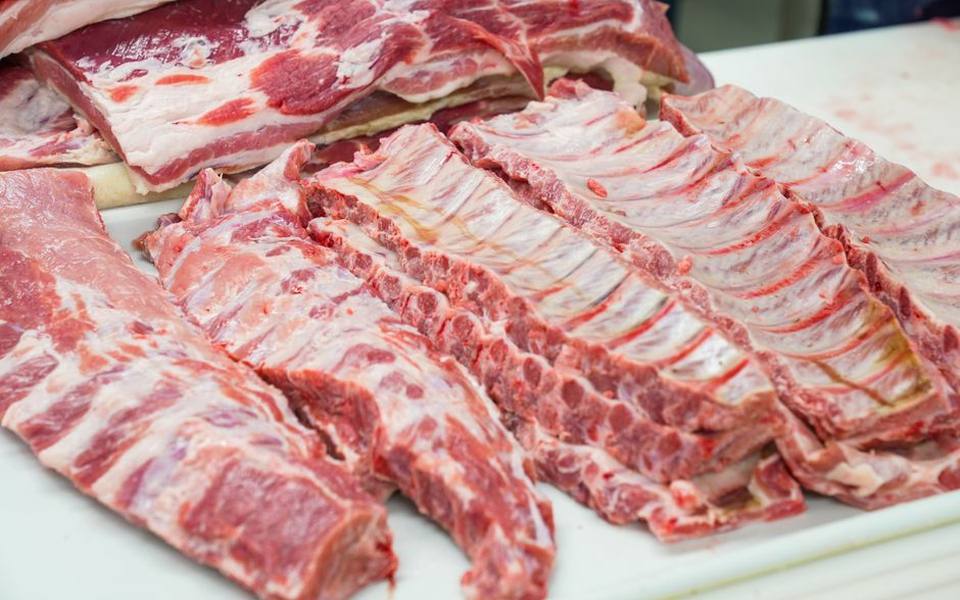
Cooking a whole, untrimmed spare rib rack requires careful heat management because the slab is naturally uneven. The bone end tapers down to very thin meat, while the brisket tip end remains thick, cartilaginous, and dense. If you toss an untrimmed rack onto a grate without planning, the thin end often dries out into jerky before the thick gristle in the tips fully renders down into gelatin.
Despite their irregular shape, many pitmasters prefer whole spares because they offer multiple textures on a single plate. The tips develop intensely caramelized bark and savory chew, while the center bones provide tender bites that pull cleanly away from bone. Untrimmed spares are also typically more budget-friendly per pound than pre-trimmed cuts because the processing work is left to the cook at home.
The St. Louis Cut Explained
The St. Louis style cut is simply a full pork spare rib rack that has been squared off and trimmed into a uniform, rectangular slab. To make this cut, the butcher slices away the triangular brisket bone, the cartilage-rich rib tips, and the loose skirt meat on the bone side. What remains is a clean slab of straight, parallel bones with consistent meat thickness from one end to the other.
Barbecue competitors and backyard enthusiasts favor this cut because the uniform shape cooks evenly across every square inch of the grate. Without the tapering cartilage edge stealing heat or scorching, you can predict finish times with far greater accuracy. The flat profile also allows dry seasonings to adhere uniformly, forming an uninterrupted sheet of savory bark across the top meat layer.
When purchasing these at modern meat counters, look for even fat distribution without exposed bones where the meat was gouged during processing. You can find pre-trimmed racks readily available, but experienced shoppers often consult custom-cut butcher shops to have full racks hand-trimmed on the block. Asking for a custom St. Louis trim allows you to keep the separated rib tips to smoke separately as a pitmaster snack.
Deconstructing Country-Style and Boneless Ribs
Country-style ribs earned their name through clever marketing rather than skeletal anatomy, but they remain one of the most rewarding pork values available. When a butcher cuts bone-in country ribs, they split the blade end of the pork loin or saw across the upper shoulder butt. This produces thick, meaty portions containing pieces of shoulder blade bone or rib bone alongside deeply marbled dark and white meat.
Boneless pork ribs take this concept one step further by eliminating the skeletal structure entirely. Butchers take dense pork shoulder roasts or loin trimmings and slice them lengthwise into finger-thick strips that resemble individual rib sections. Because they lack bones to conduct heat or provide structural rigidity, these strips require careful temperature moderation so they do not shed their internal juices too rapidly.
The flavor profile of country ribs leans heavily toward rich pork roast rather than sweet rib belly meat. The meat contains higher levels of collagen and intramuscular fat, which melt down wonderfully under sustained heat. Treating boneless pork ribs like traditional ribs on an open grill usually ends in tough, dry meat, whereas treating them like braised shoulder cuts produces fall-apart tenderness.
What to Inspect at the Butcher Counter
Evaluating raw ribs at the counter requires looking past packaging and assessing meat coverage, color, and fat quality. High-grade pork should display a soft pink to reddish hue across the muscle fibers, steering clear of pale, gray, or watery flesh. Wet puddles inside a plastic package often signal that meat has been previously frozen or pumped with a sodium solution to artificially boost water weight.
Inspect the bones across the rack to verify there are no severe "shiners" visible on the meat side. A shiner occurs when an automated processing saw cuts too close to the bone, shaving away the meat and leaving bare white bone exposed on top. During cooking, those exposed bones shrink and push out, causing surrounding meat to contract, dry up, and curl off the bone unevenly.
Thickness should remain relatively consistent across the entire length of the slab. Slabs that taper drastically from one end to the other demand extra attention in the pit, forcing you to shield the thin end from direct heat. If you are shopping in regions known for great barbecue traditions like butcher shops in Texas, you can routinely ask the butcher to pick out thick, center-cut slabs with dense, milky-white fat caps.
Trimming, Squaring, and Membrane Removal
Prepping spare ribs begins on the backside of the slab, where a tough, translucent membrane known as the peritoneum covers the bones. Leaving this membrane intact creates a leathery barrier that stops dry rubs from penetrating the underside and turns chewy when cooked. To remove it, slide a butter knife under the membrane over a middle bone, lift gently until it separates, grip it with a dry paper towel, and peel it off cleanly.
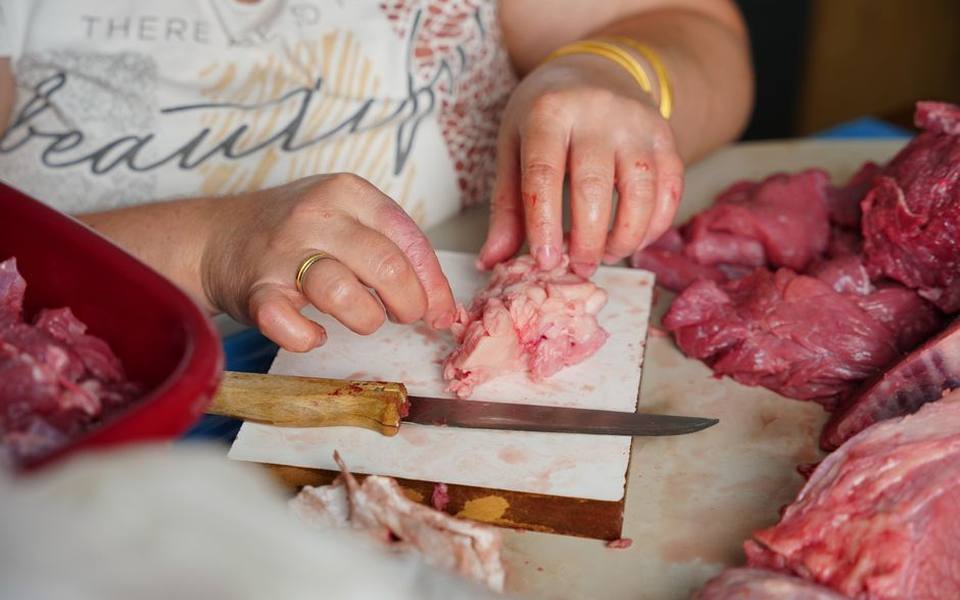
After stripping the membrane, look for the loose flap of meat on the bone side known as the skirt muscle. This flap cooks faster than the rest of the rack and tends to curl upward, blocking smoke flow and drying into hard gristle. Slice this flap off flush with the surface of the bones, reserving the meat scrap to grind into sausage or toss into a bowl of seasoned pit beans.
If you bought whole spares and want a clean St. Louis profile, locate the line where the hard rib bones terminate and soft cartilage begins. Run your fingers along the rack to feel this joint, then make a firm, continuous cut across the slab with a sharp chef knife to separate the rib tips. Square off the narrow end bone so the slab sits neatly balanced on your cooking grates.
Dry brining is the final essential prep step before seasoning. Dusting the trimmed meat with coarse kosher salt a few hours before cooking pulls surface moisture out, dissolves the salt granules, and reabsorbs that seasoned brine back into deep muscle tissue. This process enhances internal moisture retention and prevents the exterior bark from turning mushy once heat hits the slab.
Building a Balanced Dry Rub
A proper dry rub does more than season pork; it creates the chemical foundation for a dark, savory bark. Because spare ribs and St. Louis cuts carry substantial fat, they can handle bold seasoning profiles containing both sharp spices and gentle sweetness. A foundational blend typically relies on equal parts coarse black pepper and kosher salt, layered with sweet paprika, garlic powder, onion powder, and brown sugar.
Brown sugar plays a dual role by providing caramelized sweetness and promoting surface crust formation during the cook. However, sugar burns quickly above roughly 300 degrees Fahrenheit, turning bitter and black. If you plan to cook at higher temperatures or grill directly, keep sugar content lower, relying more on chili powders, mustard powder, and cumin to deliver warmth and depth.
Apply seasonings from several inches above the meat to ensure an even distribution without heavy clumps or bare patches. Pat the spices gently into the damp surface rather than scrubbing them back and forth, which can tear the meat surface. You can use a light binder like yellow mustard or warm water, but quality pork generally has enough natural surface tackiness to hold spices securely.
Low and Slow Smoking Methods
Smoking whole spare ribs or St. Louis cuts demands steady, indirect heat maintained typically between 225 and 250 degrees Fahrenheit. Fruitwoods like apple, cherry, or peach impart a sweet, mellow smoke with a deep reddish hue, while oak and hickory offer a robust flavor profile. Maintaining clean, thin blue smoke is critical because thick white smoldering smoke deposits bitter creosote onto fatty pork surfaces.
The popular 3-2-1 technique involves smoking ribs uncovered for three hours, wrapping tightly in foil with liquids for two hours, and finishing unwrapped for one hour. While this method guarantees fall-apart softness, it often overcooks meat into a mushy texture that falls completely off the bone without any bite. Barbecue hubs like butcher shops in Illinois often favor leaving ribs unwrapped longer, wrapping only briefly in butcher paper to preserve bark integrity.
Rely on physical cues rather than strict kitchen timers to judge doneness. When ribs approach completion, the meat pulls back roughly a quarter to half an inch from the bone tips. Pick the slab up from one end using tongs; if the middle bends downward and the surface meat begins to crack open naturally under its own weight, the internal connective tissue has successfully transformed into tender gelatin.
Oven Baking Boneless Country-Style Pork Ribs
Oven baking boneless country style ribs requires a different culinary philosophy than smoking thin bone-in racks. Because these cuts come from the pork shoulder or loin end, they are thick, dense, and vulnerable to drying out if exposed to dry ambient oven heat for extended periods. A two-stage cooking approach involving an initial braise followed by a hot glaze produces tender results consistently.
Season your boneless pork ribs generously with your chosen spice blend, ensuring all four sides are thoroughly coated. Arrange the thick strips in a single layer inside a heavy baking dish or cast-iron pan. Pour a quarter cup of flavorful liquid into the bottom of the vessel—such as apple cider, dilute barbecue sauce, or rich broth—making sure not to wash the dry spices off the top of the meat.
Cover the baking dish tightly with a double layer of aluminum foil to seal in rising steam, then place it into an oven preheated to 300 degrees Fahrenheit. Let the meat gently braise for roughly ninety minutes until a skewer glides into the center with minimal resistance. This trapped moisture dissolves tough intramuscular collagen without boiling away the meat juices.
To finish, pull the pan from the oven, discard the foil cover, and brush your favorite glaze or sauce generously over the tops. Return the uncovered dish to the oven at 400 degrees Fahrenheit for ten to fifteen minutes, or place it under a broiler set to low. This final blast of dry heat caramelizes sauce sugars, creating a glossy, sticky glaze that mimics pit-smoked barbecue.
Resting, Glazing, and Carving Technique
Carving hot ribs straight off the heat causes trapped internal liquids to spill onto the cutting board, leaving the pork dry. Allow finished ribs to rest on a warm butcher block for ten to fifteen minutes under a loose tent of foil. During this brief window, muscle fibers relax, allowing internal moisture to redistribute evenly throughout the entire slab.
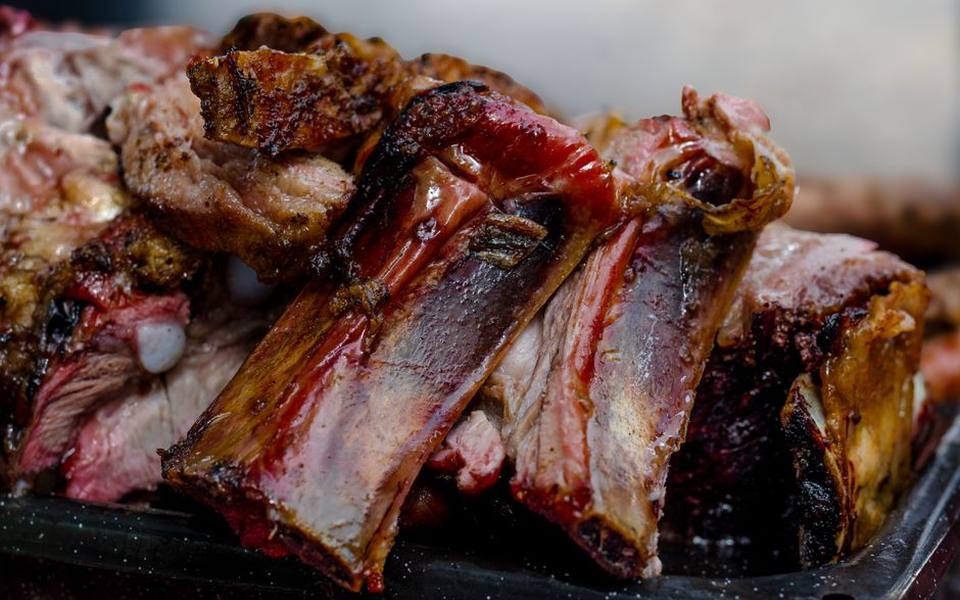
If you enjoy glazed ribs, apply sauce during the final fifteen to twenty minutes of cooking rather than early on. High heat chars tomato and molasses bases rapidly, creating an acrid crust if left on the meat too long. Layering two thin coats of warm sauce gives a vibrant sheen that clings to the bark without overpowering the natural pork flavor.
When slicing St. Louis slabs or spare ribs, flip the entire rack upside down with the bones facing toward you. Because pork ribs do not always run completely straight, viewing the bones from the back makes it easy to guide a sharp slicing knife directly through the center of the meat channels, preventing bone splintering and delivering uniform portions.
For boneless country ribs, slice across the grain into thick medallions rather than cutting along the muscle fibers. Cutting against the grain shortens the meat fibers, ensuring each bite feels extraordinarily tender on the palate. Serve them immediately while warm, spooning pan drippings and caramelized glaze over the plated meat.
Storage, Freezing, and Reheating Strategy
Proper storage ensures smoked and baked ribs retain their moisture and smoke depth without turning spongy. Leftover portions should cool to room temperature before being sealed into airtight containers or wrapped tightly in butcher paper and plastic wrap. Stored in a refrigerator set below 40 degrees Fahrenheit, cooked ribs maintain optimal texture and flavor for three to four days.
If freezing leftovers, wrap individual portions tightly in heavy-duty aluminum foil followed by a freezer-safe vacuum bag to prevent ice crystallization. Frozen pork ribs keep well for two to three months before moisture migration begins dulling the meat texture. Always thaw frozen ribs slowly in the refrigerator overnight rather than using a microwave, which heats unevenly and dries outer edges.
Reheating requires low, gentle heat to prevent rendering out what remaining fat preserves tenderness. Place ribs in an oven dish with a splash of broth or apple juice, cover securely with foil, and warm at 250 degrees Fahrenheit until the internal temperature reaches 165 degrees. For more butcher insights and meat preparation methods across the country, check the directories at ButcherAtlas before planning your next cook.
Published 2026-09-20 · reviewed with each rebuild, last September 2026.
Find butcher shops near you
The directory lists 13,556 butcher shops by state and city — pick your state or use the “Near me” button in the header.
More guides
-
 Buying
Flank Steak vs. Skirt Steak: The Complete Flat Cut Guide
-
 Storage
Storing Fresh Meat and Deli Cuts: Refrigerator and Freezer Timelines
-
 Money
MoneyUnderstanding Beef Prices: Retail Costs, Hanging Weight, and Bulk Buying
-
 Buying
Ribeye vs. New York Strip: Flavor, Marbling, and Texture Compared
-
 Storage
Freezer and Fridge Meat Storage Guide: Shelf Life, Freezing, and Safety
-
 Buying
Ribeye vs. New York Strip: Cut Comparison, Flavor, and Texture
-
 Buying
A Complete Guide to Roasting Prime Rib and Navigating the Butcher Counter
-
 Money
MoneyUnderstanding Beef Costs: From Everyday Retail Cuts to Bulk Whole Cattle Purchases
-
 Owning
Essential Butcher Tools: Meat Thermometer Buying Guide and Knife Sharpening
-
 Buying
Complete Guide to Beef Tenderloin and Filet Mignon
-
 Buying
Bistro Steaks: How to Choose, Prep, and Grill Flank, Flat Iron, Hanger, and Bavette
-
 Buying
Beef Short Ribs, Plate Ribs, and Flanken Cut Guide
-
 Buying
A Guide to Cornish Game Hens, Guinea Fowl, and Specialty Poultry
-
 Buying
Chorizo, Andouille, and Specialty Artisan Sausages: A Practical Guide to World Styles
-
 Buying
Butcher's Guide to Pork Shoulder, Boston Butt, and Country-Style Ribs
-
 Buying
Butcher's Guide to Ribeye, Tomahawk, Cowboy, and Chuck Eye Steaks
-
 Buying
A Guide to Offal, Beef Tallow, Bone Marrow, and Specialty Cuts
-
 Buying
A Butcher's Guide to Deli Meats, Cured Cuts, and Charcuterie Selection
-
 Owning
Butcher Tools Guide: Thermometers, Knife Sharpening, and Essential Supplies
-
 Buying
Corned Beef Brisket: Cut Selection, Home Curing, and Cooking Guide
-
 Buying
Beef Short Ribs and Korean Kalbi Buying and Cooking Guide
-
 Buying
Grass-Fed Beef, Pasture-Raised Meat, and Clean Meat Sticks: A Buyer's Guide
-
 Storage
The Practical Guide to Dry Aging Beef at Home and Choosing Equipment
-
 Owning
Butcher's Guide to Rich Chicken Broths and Regional Homemade Soups
-
 Buying
Bacon-Wrapped Jalapeño Poppers: A Complete Butcher's Guide
-
 Buying
A Butcher's Guide to Pork Sirloin Roasts, Stuffed Chops, and Crown Cuts