The Core Differences at the Butcher Counter
Choosing between a ribeye and a New York strip comes down to deciding whether you prioritize lush richness or a firmer, concentrated beef flavor. The ribeye is cut from the upper rib cage and carries extensive internal marbling alongside a rich fat cap and the prized ribeye cap muscle. In contrast, the New York strip originates from the short loin just behind the ribs, offering a leaner center with a single firm strip of fat running down the side. Both steaks hold legendary status in American butcher cases, yet their mouthfeel and cooking dynamics diverge significantly once exposed to high heat.
When you look at them side by side in the display tray, the visual differences are unmistakable. A well-trimmed ribeye presents an intricate web of white fat seams weaving through multiple distinct muscle groups, making it look rounder and softer. The strip steak displays a uniform, singular muscle with fine flecks of intramuscular fat and a clean, rectangular silhouette. Neither cut is objectively superior, but they serve different appetites and respond differently to pan searing and flame grilling depending on how you like your fat rendered.
Price points for both cuts typically run in a similar tier at most regional butcher counters, though bone-in presentations and aging methods will shift those figures. The choice usually hinges on personal palate fatigue: some people find a whole twelve-ounce ribeye too heavy toward the final bites because of the high fat volume, whereas fans of the strip appreciate its balanced chew and clean beef finish from the first slice to the last.
Anatomy, Marbling, and Fat Distribution
The anatomical origin of each cut dictates how the animal used those muscles during its life, which directly determines texture. Ribeye steaks are harvested from ribs six through twelve, a section of the cow that bears minimal load and experiences very little strenuous movement. This lack of heavy exertion allows thick pockets of intramuscular fat to settle between the central eye muscle and the outer spinalis dorsi, commonly called the rib crown. That outer crescent of meat is widely considered one of the most tender, intensely flavorful portions on the entire carcass.
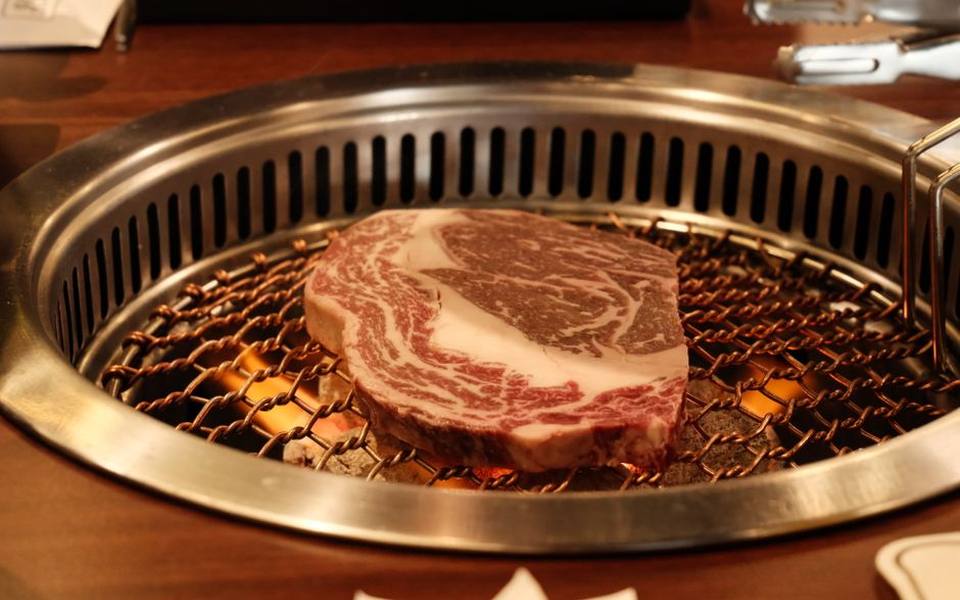
The New York strip is cut from the strip loin portion of the short loin, sitting right behind the rib primal along the top of the backbone. While this muscle also does relatively little physical work compared to the shoulder or leg, it forms a tighter, denser bundle of muscle fibers than the rib. The fat on a strip does not interweave throughout the meat in large seams; instead, it settles into fine spiderweb marbling across the center and forms a dense exterior fat band along one outer edge.
Understanding this fat distribution changes how you prep the steaks before cooking. On a ribeye, internal fat melts outward during the cooking process, constantly basting the interior meat fibers from within. On a strip steak, the side fat band needs deliberate direct heat contact or scoring to render fully, otherwise it can curl slightly in the pan and leave a chewy outer border while the center cooks through.
Texture and Mouthfeel on the Cutting Board
The first bite of a ribeye delivers an unmistakably soft, melting sensation created by high concentrations of rendered fat coating your palate. Because the cut contains multiple muscle groups separated by gentle seams of connective tissue, each section offers a slightly varying bite. The outer cap yields with almost no resistance under the knife, while the central eye provides a delicate, tender chew. For diners who equate steak perfection with buttery tenderness and luscious moisture, the ribeye rarely disappoints.
The New York strip presents a firmer, more structured toothsink that appeals to traditional steakhouse enthusiasts. The grain runs uniform across the entire cut, creating a clean slice that holds its shape beautifully on the plate without separating. While it remains very tender when cooked medium-rare, it offers enough chew to give a satisfying resistance, releasing concentrated savory juices as you chew rather than melting away instantly.
This contrast in mouthfeel also affects how forgiving each cut is under fluctuating cooking temperatures. A ribeye retains moisture across a wider window of doneness; even if pushed slightly past medium, the abundance of internal fat prevents the meat from tasting dry or chalky. A strip steak requires stricter temperature discipline, as cooking it beyond medium begins to tighten the muscle fibers noticeably, rapidly diminishing its natural juiciness.
Flavor Profile: Richness Against Deep Beefiness
Fat carries flavor compounds, which gives the ribeye its signature buttery, decadent profile that coats the mouth. As the internal fat pockets render over charcoal or in cast iron, they caramelize against the meat fibers, creating a deeply savory, almost nutty profile. It is an assertive flavor that stands up well to robust seasonings, coarse salt, cracked peppercorns, and aggressive wood smoke without losing its identity.
The New York strip provides a deeper, purer expression of mineral beef flavor that many purists consider the gold standard of cattle taste. Because there is less internal fat diluting the muscle tissue, the natural iron-rich savor of the beef shines through clearly. When the exterior fat cap is properly crisped and rendered until golden brown, each forkful combines lean, concentrated red meat with a small ribbon of rendered crunch that never feels greasy.
Aging amplifies these differences substantially, especially when sourced from shops specializing in dry-aged beef. In a dry-aged ribeye, the natural funk and blue-cheese nuances concentrate heavily within the rendered fat, creating an intense experience. In an aged strip, the moisture loss condenses the muscle fibers, producing an earthy, intensely concentrated steak flavor that highlights the quality of the raw primal cut.
Ribeye Versus Flank Steak: Very Different Approaches
Shoppers exploring butcher cases often wonder how value cuts compare to premium loins, particularly when weighing a fibrous cut like flank steak against a luxury ribeye. Flank steak comes from the abdominal muscles beneath the loin, an area that works constantly to support the animal's weight and core movement. Consequently, flank steak contains virtually no intramuscular marbling and exhibits coarse, thick muscle fibers that run lengthwise in clearly visible parallel lines.
While a ribeye is designed for thick, individual portioning and quick dry-heat cooking, flank steak functions as a broad, flat sheet of lean meat that demands entirely different culinary treatment. Cooking a flank steak requires high-heat flash searing to medium-rare followed by strict carving against the grain in thin, angled ribbons. If sliced with the grain, flank steak becomes stringy and difficult to chew, whereas ribeye remains tender regardless of carving angle.
Flank steak excels in marinades because its loose fiber bundles absorb acid and aromatics much deeper than the dense tissues of a ribeye or strip. For fajitas, stir-fries, and warm salads, flank offers tremendous beef flavor at a price point that is typically more accessible for weeknight dinners. However, if your goal is an unadorned center-of-the-plate steak experience defined by rich marbling, flank cannot replicate the buttery texture of a thick-cut ribeye.
Prime Grades and Thickness Decisions
Grading systems established by agricultural inspectors evaluate beef primarily on maturity and the abundance of marbling within the rib eye muscle. When comparing a Prime ribeye to a Prime New York strip, the difference in marbling density is dramatic. A Prime ribeye is packed with intricate white flecks that melt at room temperature, making it extraordinarily luxurious. A Prime strip reaches a sweet spot where it gains ribeye-level tenderness while maintaining its superior, clean slicing structure.
Steak thickness plays an equally critical role in how either cut performs over heat. Thin cuts under an inch thick tend to overcook internally before you can establish a deep, savory mahogany crust on the exterior. Working with experienced purveyors at custom-cut butcher shops allows you to request cuts tailored to your cooking method, typically around one and a half to two inches thick for optimal temperature control.
Thick-cut strips allow you to render the fat cap gently on its edge before searing the broad sides, ensuring edge-to-edge pink meat without an overcooked gray band. For thick-cut ribeyes, generous thickness prevents the center from reaching medium-well while you wait for the thick exterior cap fat to crisp up over glowing hardwood coals.
Grass-Fed Versus Grain-Fed Cattle
The diet of the cattle shapes the physical composition, fat color, and taste profile of both ribeyes and New York strips. Grain-fed beef represents the standard American profile: cattle finished on corn, barley, or soy develop sweet, creamy white fat and dense intramuscular marbling. This diet produces the familiar mild, buttery flavor and ultra-tender texture celebrated in classic domestic steakhouses.
In contrast, cattle raised and finished entirely on pasture produce leaner meat with distinctly different fat chemistry. The fat on fully grass-fed cows frequently carries a yellowish tint due to high levels of beta-carotene absorbed from green forage. Marbling in grass-fed ribeyes and strips is naturally sparser, meaning the meat carries a deeper red hue, tighter muscle grain, and a complex flavor profile often described as earthy, grassy, or slightly tangy with pronounced mineral notes.
Cooking pasture-raised steaks requires a gentler touch and lower pan temperatures than grain-fed beef. Because grass-fed steaks have lower total fat content and higher protein density, they conduct heat faster and can turn tough rapidly if overcooked. Many seasoned cooks recommend pulling grass-fed steaks several degrees earlier than grain-fed equivalents, finishing with a generous knob of butter to supplement the leaner profile.
How to Prevent Freezer Burn and Protect Your Investment
Stocking premium beef in quantity saves trips to the counter, but improper storage leads directly to freezer burn—the dehydration and oxidation that ruins expensive cuts. Freezer burn occurs when dry sub-zero air contacts the meat surface, causing ice crystals within the muscle fibers to sublimate into water vapor. This leaves behind dry, gray, leathery patches that taste stale and cardboard-like even after slow braising or marinating.
The single most reliable method to stop freezer burn is removing all ambient air from around the meat. Standard supermarket styrofoam trays wrapped in thin stretch film are permeable to moisture and should never go straight into deep cold storage. Investing in a vacuum sealer draws the packaging tight against every contour of the steak, eliminating air pockets where moisture can migrate and form frost crystals.
If you do not own a vacuum machine, traditional two-step butcher wrapping provides excellent defense for several months. Press plastic wrap tightly against the meat surface to exclude air pockets, then wrap the package firmly in heavy, wax-coated butcher freezer paper, securing all seams with freezer tape. Storing packages toward the back of a manual-defrost chest freezer rather than the door of a frost-free kitchen unit also prevents the temperature cycles that accelerate moisture loss.
Cooking Methods: Matching Technique to the Cut
Managing heat is essential when working with cuts that carry such different fat configurations. When searing in cast iron, the New York strip allows for precise edge-work; placing the steak upright on its fat band renders out golden tallow that you can then use to fry the flat faces of the steak. Basting with crushed garlic, thyme, and butter during the final minutes complements the strip's firm texture and lean center.
Ribeyes demand heightened attention when placed over open charcoal or gas grills. As the generous seams of fat soften and liquefy, they drip through the grates onto hot coals, triggering intense flare-ups that can deposit acrid soot on the meat if left unattended. Setting up a two-zone indirect fire allows you to bring the ribeye up to temperature gently away from the flames before executing a brief, blistering sear directly over the embers.
For pieces cut two inches or thicker, the reverse-sear method remains the gold standard for both cuts. Baking the steak at very low oven temperatures until the internal core sits just below your target doneness dries out the exterior surface thoroughly. When transferred to a smoking hot skillet for sixty seconds per side, you achieve a razor-thin crust with virtually zero gray overcooked meat beneath the surface, whether you sourced your cut from butcher shops in Texas or historic New York butcher counters.
Making the Right Choice for Your Meal
Selecting between these two heavyweight steaks ultimately depends on your menu, cooking setup, and who is joining you at the table. If you are serving a single steak family-style carved into thick slices across a board, the New York strip is easier to portion cleanly, ensuring every guest gets an identical ratio of meat, crust, and edge fat without anyone getting an overwhelmingly rich pocket of pure fat.
If the meal is an indulgent, individual dining experience where each diner tackles their own plate, the ribeye delivers unrivaled decadence. It pairs effortlessly with bold, tannic red wines that cut through heavy fat, as well as acidic side dishes like bitter greens, chimichurri, or blistered tomatoes that refresh the palate between rich bites. The strip pairs smoothly with lighter sauces and classic sides like creamed spinach or roasted root vegetables.
Whichever path you choose, building a relationship with local purveyors listed on ButcherAtlas ensures you receive cuts fresh from whole-muscle primals rather than pre-portioned cuts that have spent days in transit. A knowledgeable counter team can cut your steaks to your exact thickness specifications, trim the fat cap to your liking, and recommend the best cuts based on that morning's delivery.
Published 2026-09-20 · reviewed with each rebuild, last September 2026.
Find butcher shops near you
The directory lists 13,556 butcher shops by state and city — pick your state or use the “Near me” button in the header.
More guides
-
 Buying
Flank Steak vs. Skirt Steak: The Complete Flat Cut Guide
-
 Storage
Storing Fresh Meat and Deli Cuts: Refrigerator and Freezer Timelines
-
 Money
MoneyUnderstanding Beef Prices: Retail Costs, Hanging Weight, and Bulk Buying
-
 Storage
Freezer and Fridge Meat Storage Guide: Shelf Life, Freezing, and Safety
-
 Buying
Ribeye vs. New York Strip: Cut Comparison, Flavor, and Texture
-
 Buying
A Complete Guide to Roasting Prime Rib and Navigating the Butcher Counter
-
 Money
MoneyUnderstanding Beef Costs: From Everyday Retail Cuts to Bulk Whole Cattle Purchases
-
 Owning
Essential Butcher Tools: Meat Thermometer Buying Guide and Knife Sharpening
-
 Buying
Complete Guide to Beef Tenderloin and Filet Mignon
-
 Buying
Bistro Steaks: How to Choose, Prep, and Grill Flank, Flat Iron, Hanger, and Bavette
-
 Buying
Beef Short Ribs, Plate Ribs, and Flanken Cut Guide
-
 Buying
A Guide to Cornish Game Hens, Guinea Fowl, and Specialty Poultry
-
 Buying
Chorizo, Andouille, and Specialty Artisan Sausages: A Practical Guide to World Styles
-
 Buying
Butcher's Guide to Pork Shoulder, Boston Butt, and Country-Style Ribs
-
 Buying
Butcher's Guide to Ribeye, Tomahawk, Cowboy, and Chuck Eye Steaks
-
 Buying
A Guide to Offal, Beef Tallow, Bone Marrow, and Specialty Cuts
-
 Buying
A Butcher's Guide to Deli Meats, Cured Cuts, and Charcuterie Selection
-
 Owning
Butcher Tools Guide: Thermometers, Knife Sharpening, and Essential Supplies
-
 Buying
Corned Beef Brisket: Cut Selection, Home Curing, and Cooking Guide
-
 Buying
Beef Short Ribs and Korean Kalbi Buying and Cooking Guide
-
 Buying
Grass-Fed Beef, Pasture-Raised Meat, and Clean Meat Sticks: A Buyer's Guide
-
 Buying
Pork Spare Ribs, St. Louis, and Country-Style Ribs Guide
-
 Storage
The Practical Guide to Dry Aging Beef at Home and Choosing Equipment
-
 Owning
Butcher's Guide to Rich Chicken Broths and Regional Homemade Soups
-
 Buying
Bacon-Wrapped Jalapeño Poppers: A Complete Butcher's Guide
-
 Buying
A Butcher's Guide to Pork Sirloin Roasts, Stuffed Chops, and Crown Cuts