The Appeal of Butcher-Counter Bistro Cuts
Bistro steaks offer deeper beef flavor and better value than standard supermarket loins, provided you understand their grain structure and cooking requirements. Traditionally known as butcher cuts because market staff would keep them for their own dinner tables, items like hanger, flank, flat iron, and bavette come from hardworking muscle groups. They lack the soft texture of a tenderloin, but they deliver a robust, savory punch that holds up exceptionally well to bold seasoning and high-heat searing.
In traditional French bistros and Latin American steakhouses, these steaks have long been staples rather than afterthoughts. A typical home cook might hesitate when facing a flat steak with pronounced, rope-like fibers, wondering whether it will turn out leathery. However, once you learn how to handle their unique densities, these cuts quickly become weeknight favorites that cook faster and cost noticeably less per pound than bone-in ribeyes or New York strips.
Choosing bistro cuts also connects you more directly with whole-animal utilization. When you visit counter staff instead of picking up plastic-wrapped trays, you gain access to cuts that require skillful seam butchery to separate. Understanding what each specific cut brings to the grill allows you to match the right steak to your dinner plans, whether you are planning a fast stir-fry, a taco spread, or a classic steak frites.
Understanding Flank Steak and Abdominal Cuts
Traditional beef flank comes from the lower abdominal area of the steer, right below the loin. It is an active muscle group that supports the internal organs, resulting in broad, flat muscles with very little internal marbling but long, continuous strands of connective fiber. Quality flank meat displays an even, deep red color and a consistent thickness from end to end, usually weighing somewhere between one and a half to three pounds at retail.
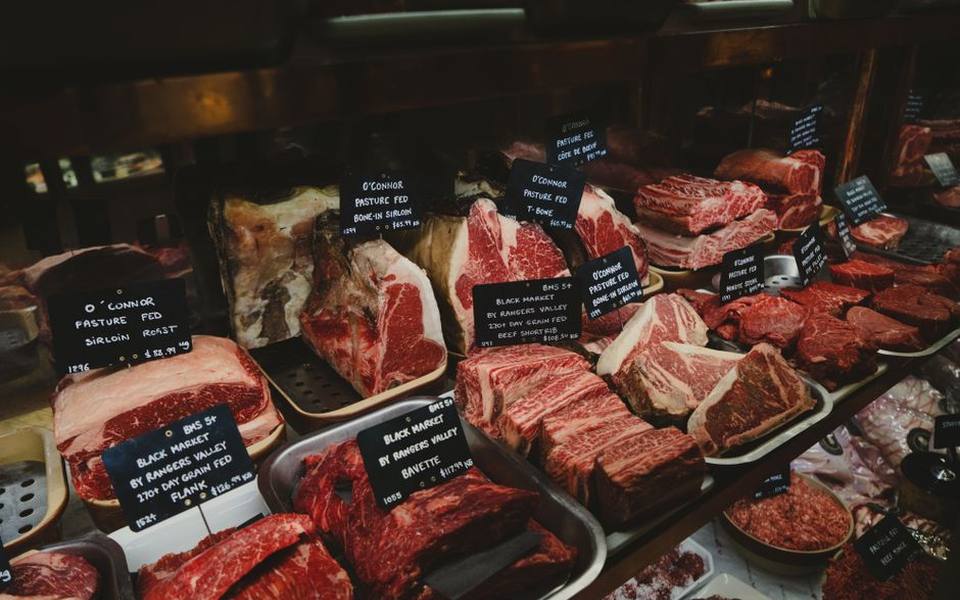
Because of its wide surface area and distinct linear grain, flank steak is one of the easiest cuts to identify behind the glass. The long grain runs lengthwise down the cut, making it simple to spot before cooking and just as simple to slice correctly after resting. It has virtually no fat cap, which means it relies heavily on surface caramelization and careful timing so the interior stays pink and juicy rather than dried out.
When shopping, check that the edges are trimmed neatly and that the meat does not taper down into paper-thin corners that will char before the center cooks through. If you notice thick exterior silver skin, ask the butcher to peel it away cleanly. A properly trimmed piece of flank should lie completely flat on a board, ready for a seasoning rub or a zesty marinade.
The Rich Profile of the Hanger Steak
Known in France as the onglet, hanger steak hangs from the diaphragm between the loin and the sixth rib of the steer. There is only one hanger per carcass, which explains why this cut was historically tucked away for the butcher rather than sold in large display cases. True hanger meat consists of two distinct muscle lobes joined together by a thick, tough center membrane that runs straight down the middle of the cut.
In terms of flavor, hanger beef sits in a class of its own, offering an earthy, mineral-rich taste that reminds many eaters of dry-aged beef or subtle organ meat. Because the muscle does very little heavy lifting compared to the flank, it is surprisingly tender when cooked properly. However, it requires a precise medium-rare finish, as any exposure to well-done heat levels causes the loose, coarse fibers to tighten into a tough, chewy mass.
When you purchase this cut from knowledgeable staff at custom-cut butcher shops, make sure to check if the center tendon has already been removed. Leaving the central membrane in place causes the steak to curl violently on the grill grate. An experienced butcher will often split the hanger into two clean, cylindrical loins, each ready to sear over intense direct heat without extra butchery at home.
Why Flat Iron Steak Rivals the Tenderloin
Flat iron steak comes from the beef shoulder clod, specifically carved out of the top blade muscle. For decades, the top blade was sold strictly as an economical pot roast because a dense line of connective tissue runs directly through its center. University researchers in the late 1990s developed a method to seam the muscle horizontally, peeling out that gristle line and revealing two identical, uniform flatiron steaks.
The resulting flatiron beef is widely recognized as the second-most tender muscle on the entire steer, trailing only behind the tenderloin in sheer tenderness. Unlike filet mignon, however, flat iron carries deep shoulder flavor and rich intramuscular marbling that melts beautifully over high heat. Its rectangular, uniform shape makes it one of the easiest steaks to cook evenly, without hot spots or overcooked edges.
A typical flat iron steak weighs roughly eight to twelve ounces and measures roughly three-quarters of an inch thick. Because it has such a fine grain and soft muscle texture, it does not require aggressive tenderizing or hours submerged in acidic liquids. A liberal pinch of coarse salt, a hot cast-iron pan, and a short rest period are all it takes to highlight its natural juiciness.
Carne Asada Essentials and Flap Meat
Flap meat, known across butcher counters in France as bavette d'aloyau, comes from the bottom sirloin butt. In North America, it is arguably the ultimate carne asada flap steak, prized across taquerias and backyard grills for its coarse, loose muscle texture. The surface of flap steak resembles corrugated cardboard, full of nooks and crannies that hold marinades and develop blistered, crunchy edges over charcoal.
Compared to skirt steak, flap meat is thicker, slightly wider, and noticeably less fibrous, while remaining far more economical than standard sirloin steaks. When raw, it looks somewhat rustic and irregular, with deep ridges running across its surface. This unique physical structure allows heat, smoke, and seasoning liquids to penetrate quickly into the interior without requiring a multi-day soak.
If you plan to make street tacos, carne asada, or beef bowls, flap steak is usually the best performer of the entire bistro category. Its open grain absorbs lime juice, garlic, and fresh chilies effortlessly, while the high proportion of surface area creates remarkable charring over open flames. Slicing it finely against those visible ridges yields tender, buttery bites that melt in a warm tortilla.
Selecting Quality Bistro Cuts at the Meat Counter
When shopping for bistro cuts, inspect the color, moisture level, and grain density in the refrigerated case. Fresh beef should have a vibrant ruby-red hue rather than a dull brownish tint, though vacuum-sealed cuts often look dark purple until exposed to oxygen for fifteen minutes. Avoid steaks that sit in pools of stagnant liquid, as excessive purge indicates the meat has lost cellular moisture from prolonged temperature shifts.
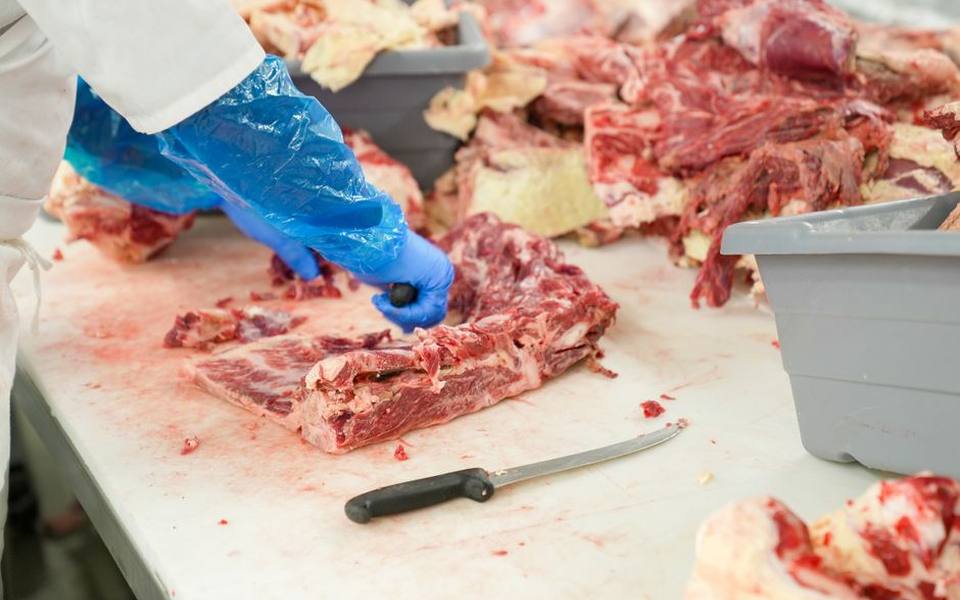
Feel free to ask the person behind the counter how the cut was fabricated and whether any membrane remains on the surface. If you are browsing independent retailers like butcher shops in California or local purveyors across the Midwest, you can often request whole primals cut to your preferred thickness. Staff at dedicated meat markets can easily debone, seam, or peel tough silverskin right before your eyes.
Pay close attention to thickness uniformity across the cut. Because bistro steaks like flank and flap taper naturally near the edges, look for portions that maintain a steady thickness across at least eighty percent of the piece. If one end is drastically thinner, you can tuck or fold that thin tail underneath itself during cooking, securing it with butcher twine so it cooks at the same rate as the center.
Tenderizing Techniques and Marinade Science
Because these cuts work harder during the animal's life, tenderizing often plays a key role in recipe preparation. One traditional method involves making a flattened steak using a heavy meat mallet. Gently pounding a flank or flat steak between two sheets of parchment paper disrupts dense protein bundles, expands the surface area, and ensures flash-fast cooking in a screaming-hot skillet.
Marinades offer another effective path, though common mistakes can ruin good meat. Acidic elements like citrus juice, vinegar, or wine break down surface fibers, but leaving thin butcher cuts in high-acid baths for more than four to six hours turns the exterior unpleasantly mushy. For best results, use marinades that balance moderate acidity with cooking oil, crushed aromatics, and soy sauce, limiting the soak to a couple of hours.
Dry-brining is often superior to wet marinades if your goal is pure steak flavor and a golden crust. Salting your meat heavily with kosher salt and placing it uncovered on a wire rack in the refrigerator for eight to twelve hours draws surface moisture out, dissolves the salt, and pulls the seasoned brine deep into the muscle. This process leaves the exterior bone-dry, guaranteeing an aggressive, restaurant-grade sear the moment it hits the heat.
High-Heat Grilling and Searing Strategy
Bistro steaks demand intense, direct heat for a short duration. Because they are relatively thin, gentle low-and-slow cooking typically overcooks the center before you can build a savory, browned exterior. Whether using lump charcoal, a hot gas grill, or a heavy cast-iron skillet, your cooking surface should be hot enough that you can only hold your hand an inch above it for two seconds.
Pat the exterior of the meat completely dry with paper towels before placing it on the cooking surface. Any moisture remaining on the steak turns to steam on contact, delaying the Maillard reaction and leaving the surface pale gray instead of richly crusted. Grill the steak over direct flames, flipping every minute or two to build an even crust without forming a thick, gray heat ring under the surface.
Pull your steaks off the fire slightly earlier than standard cuts. Hanger, flap, and flank taste best when cooked to a true medium-rare, roughly 130 to 135 degrees Fahrenheit after resting. If you push these cuts past medium, their tight fiber bundles squeeze out moisture rapidly, transforming a flavorful steak into tough gristle. If you are grilling regional specialties in backyard setups across butcher shops in Texas, aim for high heat, fast flips, and an instant-read digital thermometer.
Resting and Slicing Across the Muscle Grain
Resting is not an optional suggestion when dealing with bistro cuts; it is essential to the steak's tenderness. When meat cooks, muscle proteins contract and push internal moisture toward the cooler center. Letting your steak sit quietly on a warm cutting board for seven to ten minutes allows those fibers to relax and reabsorb moisture, ensuring savory juices stay in the steak rather than flooding your board.
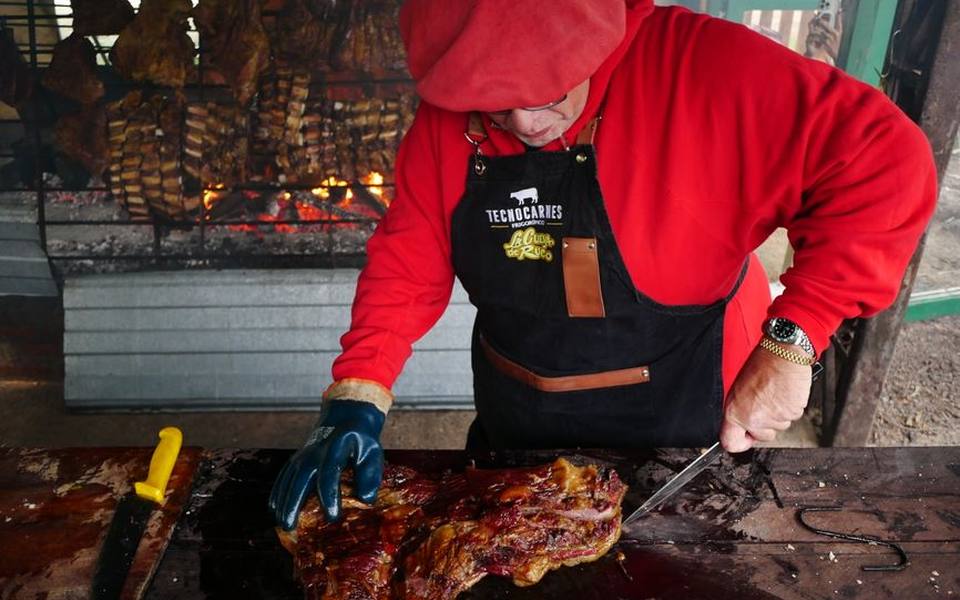
Once rested, how you slice the meat determines your entire dining experience. Look closely at the surface of the meat to identify the direction in which the long muscle fibers run. Always cut perpendicular across those fibers rather than parallel to them. By cutting through the grain, your knife does the mechanical work of shortening the fibers, meaning your teeth only have to chew through short, tender segments.
Hold your carving knife at a sharp forty-five-degree angle to the cutting board, a technique known as slicing on the bias. This creates broader, attractive slices while maximizing tenderness on each individual piece. For flank and flap meat, slices should be cut thin, roughly a quarter-inch thick. For tender flat iron, slices can be cut slightly thicker without sacrificing texture.
Sourcing Specialty and Dry-Aged Bistro Beef
While standard choice-grade bistro steaks perform well, seeking out dry-aged or specialty beef takes these cuts to another tier. Finding butcher shops with dry-aged beef allows you to experience hanger or flat iron with concentrated umami and incredible tenderness. As beef ages on the hook, natural enzymes break down the collagen network, mellowing the naturally chew-heavy grain of abdominal and shoulder muscles.
Heritage breeds like Angus, Hereford, Wagyu, and grass-fed varieties each show noticeable differences in these hardworking cuts. Wagyu flap steak, for example, displays fine webs of fat that transform a typically lean taco meat into an extraordinarily rich main course. Conversely, fully grass-finished flank steak carries intense, clean beef flavor with herbal undertones, though it requires slightly shorter cooking times due to its leaner profile.
Independent meat markets listed in directories across all states provide access to these specialized cuts that big-box grocers rarely stock individually. Speaking directly with the person who broke down the quarter gives you valuable context about how long the beef was aged and the best cooking thickness for that particular steer.
Storage, Freezing, and Utilizing Leftovers
Fresh bistro cuts should be kept in the coldest section of your refrigerator and cooked within three to four days of purchase. If you do not plan to cook the meat immediately, vacuum sealing is the ideal method for long-term preservation. Because flat cuts have large surface areas, conventional zip bags often allow air pockets to form, resulting in freezer burn along the edges within a few months.
When defrosting frozen steaks, transfer the sealed package to your refrigerator twenty-four hours before cooking. Fast thawing in warm water or microwaves disrupts cell walls, causing substantial juice loss that ruins the lean texture of cuts like flank. Slow thawing preserves muscle integrity, yielding a steak that cooks and tastes just like fresh counter beef.
Leftover grilled bistro steaks make exceptional lunches if reheated gently. Microwaving pre-sliced steak will immediately turn the delicate fibers into tough rubber. Instead, enjoy leftover slices chilled in crisp salads, or bring them quickly to room temperature before tossing them into warm grain bowls, fajita skillets, or morning breakfast scrambles right at the end of cooking.
Published 2026-09-20 · reviewed with each rebuild, last September 2026.
Find butcher shops near you
The directory lists 13,556 butcher shops by state and city — pick your state or use the “Near me” button in the header.
More guides
-
 Buying
Flank Steak vs. Skirt Steak: The Complete Flat Cut Guide
-
 Storage
Storing Fresh Meat and Deli Cuts: Refrigerator and Freezer Timelines
-
 Money
MoneyUnderstanding Beef Prices: Retail Costs, Hanging Weight, and Bulk Buying
-
 Buying
Ribeye vs. New York Strip: Flavor, Marbling, and Texture Compared
-
 Storage
Freezer and Fridge Meat Storage Guide: Shelf Life, Freezing, and Safety
-
 Buying
Ribeye vs. New York Strip: Cut Comparison, Flavor, and Texture
-
 Buying
A Complete Guide to Roasting Prime Rib and Navigating the Butcher Counter
-
 Money
MoneyUnderstanding Beef Costs: From Everyday Retail Cuts to Bulk Whole Cattle Purchases
-
 Owning
Essential Butcher Tools: Meat Thermometer Buying Guide and Knife Sharpening
-
 Buying
Complete Guide to Beef Tenderloin and Filet Mignon
-
 Buying
Beef Short Ribs, Plate Ribs, and Flanken Cut Guide
-
 Buying
A Guide to Cornish Game Hens, Guinea Fowl, and Specialty Poultry
-
 Buying
Chorizo, Andouille, and Specialty Artisan Sausages: A Practical Guide to World Styles
-
 Buying
Butcher's Guide to Pork Shoulder, Boston Butt, and Country-Style Ribs
-
 Buying
Butcher's Guide to Ribeye, Tomahawk, Cowboy, and Chuck Eye Steaks
-
 Buying
A Guide to Offal, Beef Tallow, Bone Marrow, and Specialty Cuts
-
 Buying
A Butcher's Guide to Deli Meats, Cured Cuts, and Charcuterie Selection
-
 Owning
Butcher Tools Guide: Thermometers, Knife Sharpening, and Essential Supplies
-
 Buying
Corned Beef Brisket: Cut Selection, Home Curing, and Cooking Guide
-
 Buying
Beef Short Ribs and Korean Kalbi Buying and Cooking Guide
-
 Buying
Grass-Fed Beef, Pasture-Raised Meat, and Clean Meat Sticks: A Buyer's Guide
-
 Buying
Pork Spare Ribs, St. Louis, and Country-Style Ribs Guide
-
 Storage
The Practical Guide to Dry Aging Beef at Home and Choosing Equipment
-
 Owning
Butcher's Guide to Rich Chicken Broths and Regional Homemade Soups
-
 Buying
Bacon-Wrapped Jalapeño Poppers: A Complete Butcher's Guide
-
 Buying
A Butcher's Guide to Pork Sirloin Roasts, Stuffed Chops, and Crown Cuts