How Beef Pricing per Pound Is Determined
Retail beef pricing varies significantly depending on the cut, the grade, feed inputs, and overall cattle herd sizes across the country. An everyday shopper looking at butcher display cases usually encounters rates ranging from a modest baseline for ground chuck up to premium figures for center-cut tenderloins. Understanding how much beef costs per pound requires looking past a single blanket number, because an entire steer yields hundreds of pounds of differing muscle groups with wildly different tenderness, yield, and consumer demand.
Processing fees, cold-chain transportation, and local butcher shop labor also contribute to the final shelf sticker. A regional drought in grazing areas can raise feed expenses, which ripples into regional auction rings and processing plants over eighteen to twenty-four months. When exploring independent markets via the ButcherAtlas directory, you will often find that neighborhood shops set their rates based on direct relationships with regional feedlots and small abattoirs rather than national corporate contracts.
Quality designations established by the USDA create additional layers of pricing variance. Standard Select cuts sit at the entry tier, Choice represents the workhorse grade found in most neighborhood counters, and Prime demands a noticeable markup due to dense intramuscular marbling. Choosing where your budget lands is a balancing act between the specific cooking method you plan to use and how much marbling your recipe actually requires.
Ground Beef Rates and Everyday Value Cuts
Ground beef remains the foundation of home cooking and serves as the primary price barometer for most household grocery budgets. Finding affordable ground beef near your home usually depends on the lean-to-fat ratio you select, with standard 73/27 or 80/20 ground chuck typically costing noticeably less per pound than extra-lean 90/10 ground sirloin. The extra trimming required to isolate leaner muscle tissue naturally pushes the price per pound higher for leaner packages.
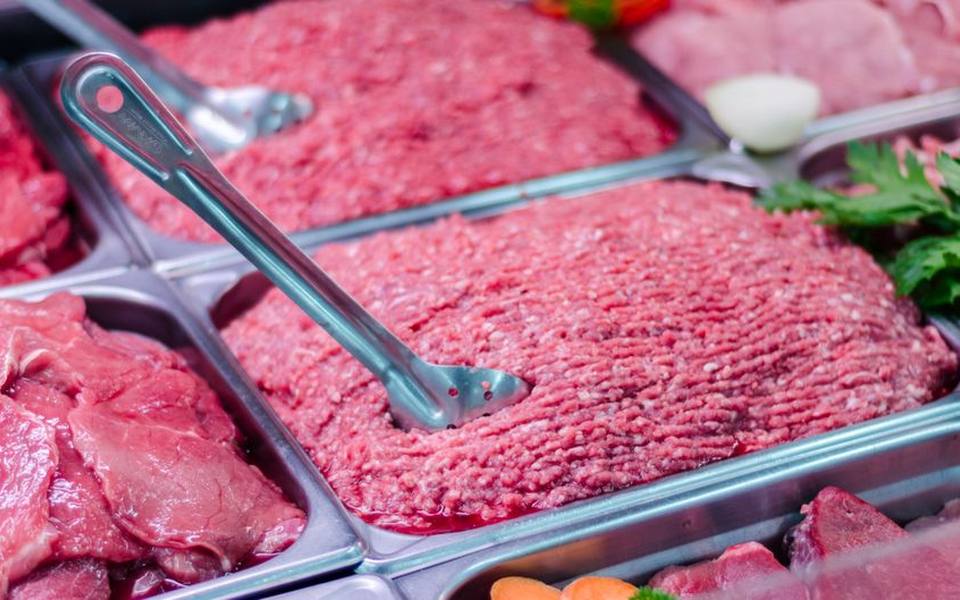
Local butcher counters often grind trim from dry-aged steaks, briskets, and prime roasts directly into their display pans, which provides a far superior flavor profile compared to industrial modified-atmosphere tube packs. While specialized butcher blends might carry a modest premium over big-box warehouse clubs, the lower water shrinkage during pan searing frequently yields a better finished value. In most regions, basic ground beef remains the most economical protein per serving on the beef chart.
Shoppers looking to stretch their monthly budgets can watch for bulk discount pricing when buying ground beef in five- or ten-pound trays. Independent meat markets often reduce their per-pound rate on large ground beef bundles because it reduces packaging labor and packaging materials. Dividing these larger packages into family-sized portions for the home freezer allows you to lock in an economical baseline cost for weeknight meals.
The Premium on Tenderloin and Filet Mignon
Tenderloin steaks, universally sold as filet mignon, consistently command the highest price per pound among standard fresh beef cuts. The reason for this steep cost lies in simple anatomy: the psoas major muscle sits along the spine beneath the ribs where it does virtually no physical work. This results in incomparable tenderness, but a typical hanging carcass weighing several hundred pounds yields only a relatively small quantity of usable tenderloin meat.
When calculating the true cost of a filet mignon, trim loss plays an enormous role in what the retailer must charge. A whole unpeeled tenderloin features thick bands of silverskin, side muscle tissue known as the chain, and a heavy outer fat cap that must be sliced away to expose the uniform center barrel. A custom cutter might lose twenty to thirty percent of the gross hanging weight just preparing immaculate individual portions, which concentrates the overhead onto the remaining steaks.
Purchasing an untrimmed whole tenderloin and breaking it down on your kitchen cutting board can save substantial money compared to buying pre-portioned steaks from the display case. Many home cooks discover that working with custom-cut butcher shops gives them access to these subprimal cryovac packages at a reduced per-pound rate. You can easily cut your own center-cut medallions while reserving the tapered tips for quick stroganoff or skewers.
Holiday Centerpieces and Prime Rib Roast Costs
Standing rib roasts, often celebrated as prime rib, represent one of the largest single-ticket meat purchases most families make throughout the year. The overall cost of a rib roast depends heavily on whether you choose a bone-in specimen or a trimmed boneless roll, alongside the calendar season of purchase. During late November and December, heightened holiday demand typically drives rib roast prices upward across urban and suburban butcher shops alike.
Choosing between a bone-in roast and a boneless rib roast affects both yield and cooking dynamics. Bones act as an insulating heat shield in the roasting pan and add savory depth to pan drippings, but you are paying the full per-pound beef price for structural bone weight that ends up on the carving board. A boneless roast costs noticeably more per pound upfront because the butcher has already absorbed the removal loss, though every slice is entirely edible.
To get the best return on investment for a special dinner, consider ordering your rib roast several weeks before holiday peaks begin. Independent neighborhood grocers and craft butcher stalls are often willing to lock in orders ahead of final wholesale surges, ensuring you receive a well-marbled piece of meat without paying last-minute market premiums.
The Rising Appeal and Expense of Skirt Steak
Skirt steak has transformed from an overlooked butcher scrap into one of the most sought-after and expensive cuts on a per-pound basis. Cut from the diaphragm area of the steer, skirt steak comes in two varieties: the thicker, more tender inside skirt and the prized outside skirt. The culinary popularity of regional fajitas, stir-fries, and Latin American barbecue styles has caused retail demand to skyrocket far beyond the natural animal yield.
Because an entire animal yields only two modest outside skirts and two inside skirts, wholesale competition between commercial restaurant suppliers and retail markets remains intense. This imbalance has pushed skirt steak prices near or above traditional grilling standards like sirloin and flat iron in many parts of the country. Shoppers in barbecue-heavy regions like Texas butcher shops often notice that local demand keeps skirt steak at a steadfast premium throughout the entire outdoor cooking season.
When purchasing skirt steak, close inspection of the muscle grain and fat distribution is essential to justify the expense. Look for cuts with prominent coarse graining and clean trimming, which will allow high-heat marinades to penetrate deeply. Slicing the meat strictly against the grain after a brief high-temperature sear ensures you get the melt-in-your-mouth texture you paid for.
Flank Steak Value and Menu Versatility
Flank steak offers a broad, lean profile from the abdominal muscle wall of the animal and provides a slightly more economical alternative to skirt steak in most markets. While skirt steak features loose muscle fibers and rich intermuscular fat, flank is considerably denser and leaner, which alters how you manage both price calculation and cooking. It provides very high yield per pound because there is almost no surface fat or bone to trim away before slicing.
The retail pricing of flank steak tends to stay more consistent across seasons than rib or loin steaks, making it a reliable choice for batch cooking, salad toppings, and weeknight stir-fries. Because a single flank steak typically weighs between one and a half and three pounds, buying one gives you an easily predictable total package price that fits within weekly family food budgets without surprises.
To maximize the culinary value of flank steak, treat it to acidic marinades and never cook it beyond medium-rare. Because the meat is exceptionally lean, cooking it well-done drives out moisture rapidly and leaves the dense muscle fibers tough, which squanders your investment. Slicing it on a sharp bias across the grain turns an affordable flat cut into tender, restaurant-caliber strips.
Short Rib Economics: English Style Versus Flanken Cut
Beef short ribs hold a unique position in butcher economics because their price per pound includes significant bone and connective tissue weight. Taken from the chuck, brisket, or plate sections, short ribs contain dense marbling and thick bands of collagen that melt into gelatin during slow cooking. However, consumers must understand that roughly forty to fifty percent of what they purchase on the scale consists of bone and fat rather than pure muscle protein.
The way a butcher saws short ribs alters both the pricing structure and the intended preparation. English-cut ribs are sliced parallel to the bone into thick rectangular portions ideal for classical braising in wine and broth, while flanken-style ribs are cut thin across three or four ribs for quick grilling in Korean barbecue styles. Flanken cutting requires precise bandsaw work and careful trim cleanup, which can nudge the shelf price slightly higher per pound in specialty counters.
Despite the bone mass, short ribs remain a favorite investment for home cooks because they offer rich, concentrated beef flavor that lean stew meats cannot match. When sourcing beef short ribs, look for thick meat pads seated atop the bones rather than wide slabs of surface fat, ensuring your total cost translates directly into edible, fork-tender dinner portions.
How Aging, Grading, and Certifications Impact Shelf Prices
Beyond anatomical cuts, the post-harvest aging and certification process introduces significant differences in beef pricing. Dry-aging involves hanging primal cuts in climate-controlled lockers for three to six weeks, where natural enzymes break down muscle fibers while moisture slowly evaporates. Meat lovers patronizing butcher shops with dry-aged beef pay a premium to cover both the natural moisture loss and the labor-intensive trimming of exterior mold crusts.
USDA grading also sets baseline cost boundaries that mirror marbling density. Prime beef, with its intricate web of white marbling, accounts for a small percentage of all graded cattle and commands the highest valuation at both wholesale auctions and retail counters. Choice beef offers an accessible balance of tenderness and reasonable cost, while ungraded or Select beef serves as a baseline option suited mostly for braising or marinating.
Dietary and religious certifications introduce their own distinct processing standards and associated operational costs. Consumers sourcing through certified halal butcher counters often encounter pricing influenced by specific processing protocols and dedicated supply chains. Similarly, certified organic, non-GMO, and strictly grass-fed and grass-finished cattle require longer grazing cycles before harvest, which adds substantial time and land management expense to every pound sold.
Buying Bulk Beef: The Realities of Quarter Cow Pricing
Purchasing beef in bulk directly from a rancher or regional meat locker—such as buying a quarter or half cow—is one of the most effective ways to lower your long-term cost per pound. However, newcomers are often confused by the difference between live weight, hanging weight, and take-home cut weight. A quarter cow cost is typically quoted based on hanging weight, which is the weight of the dressed carcass before dry-aging, boning, and final packaging.
During the standard aging and cutting process, a quarter carcass loses volume through natural evaporation, bone removal, and fat trimming. If you purchase a quarter cow based on a hanging weight of one hundred and eighty pounds, your actual take-home yield of wrapped meat might end up closer to one hundred and twenty to one hundred and thirty pounds. Calculating your final cost per pound against take-home freezer weight provides the only realistic metric for determining your financial savings.
The true financial reward of buying a quarter cow comes from the cut diversity included in the bundle. You pay the exact same average per-pound rate for high-end ribeyes, NY strips, and tenderloin roasts as you do for ground beef, stew meat, and soup bones. For households with steady meat consumption, the blended average rate represents a significant discount compared to buying comparable steaks individually at retail.
Storage Requirements and Logistics for Whole and Half Cattle
Committing to a half or whole beef purchase requires practical advance planning for home storage and processing logistics. A typical quarter cow needs approximately four to five cubic feet of dedicated freezer space, whereas a full side or whole animal requires a large standalone chest or upright freezer of fifteen to twenty cubic feet. Storing that volume of meat inside a standard kitchen refrigerator-freezer combination simply is not possible alongside everyday household groceries.
In addition to purchasing the meat from the producer, buyers usually settle a separate slaughter and processing invoice with the butcher facility. These fees cover kill charges, daily aging locker fees, custom slicing according to your cut sheet, and vacuum packaging or butcher wax wrapping. Confirming whether your quoted ranch price includes butcher processing fees avoids unexpected surprises when picking up your frozen cartons.
Working directly with an experienced meat cutter lets you tailor your bulk order to match how your family actually cooks. You can specify steak thickness, opt for bone-in versus boneless roasts, request specific grind percentages, or have tougher cuts converted entirely into ground chuck or savory sausage links. This level of customization ensures that every single pound of your investment ends up on the dinner table rather than languishing forgotten at the bottom of the freezer.
Independent Butchers Versus Supermarket Counters
Deciding where to spend your beef dollars often comes down to balancing raw sticker price against total culinary value. Supermarket meat aisles regularly run promotional loss-leaders on briskets or chuck roasts to draw foot traffic into the store, offering aggressive pricing that small independent shops cannot duplicate. However, mass-market meat is frequently shipped in vacuum cryovacs from large packing facilities and packed with inert gases, which can mask water retention.
Independent butcher shops, by contrast, focus on artisanal whole-animal sourcing, meticulous custom trimming, and transparent provenance. A craft butcher can explain exactly which pasture your beef grazed on, cut your steaks to your exact requested thickness on the spot, and offer valuable advice on cooking methods that prevent costly culinary mistakes. The extra dollars spent on high-touch service often yield a vastly superior meal experience.
Ultimately, matching your sourcing strategy to your specific meal goals yields the smartest household meat budget. Everyday staples and burger meat might come from affordable local bulk deals or supermarket specials, while holiday centerpieces, thick dry-aged steaks, and custom primal cuts are best entrusted to a dedicated regional butcher. Evaluating beef costs with an eye toward yield, trim quality, and cooking success ensures you get real value out of every pound.
Published 2026-09-20 · reviewed with each rebuild, last September 2026.
Find butcher shops near you
The directory lists 13,556 butcher shops by state and city — pick your state or use the “Near me” button in the header.
More guides
-
 Buying
Flank Steak vs. Skirt Steak: The Complete Flat Cut Guide
-
 Storage
Storing Fresh Meat and Deli Cuts: Refrigerator and Freezer Timelines
-
 Money
MoneyUnderstanding Beef Prices: Retail Costs, Hanging Weight, and Bulk Buying
-
 Buying
Ribeye vs. New York Strip: Flavor, Marbling, and Texture Compared
-
 Storage
Freezer and Fridge Meat Storage Guide: Shelf Life, Freezing, and Safety
-
 Buying
Ribeye vs. New York Strip: Cut Comparison, Flavor, and Texture
-
 Buying
A Complete Guide to Roasting Prime Rib and Navigating the Butcher Counter
-
 Owning
Essential Butcher Tools: Meat Thermometer Buying Guide and Knife Sharpening
-
 Buying
Complete Guide to Beef Tenderloin and Filet Mignon
-
 Buying
Bistro Steaks: How to Choose, Prep, and Grill Flank, Flat Iron, Hanger, and Bavette
-
 Buying
Beef Short Ribs, Plate Ribs, and Flanken Cut Guide
-
 Buying
A Guide to Cornish Game Hens, Guinea Fowl, and Specialty Poultry
-
 Buying
Chorizo, Andouille, and Specialty Artisan Sausages: A Practical Guide to World Styles
-
 Buying
Butcher's Guide to Pork Shoulder, Boston Butt, and Country-Style Ribs
-
 Buying
Butcher's Guide to Ribeye, Tomahawk, Cowboy, and Chuck Eye Steaks
-
 Buying
A Guide to Offal, Beef Tallow, Bone Marrow, and Specialty Cuts
-
 Buying
A Butcher's Guide to Deli Meats, Cured Cuts, and Charcuterie Selection
-
 Owning
Butcher Tools Guide: Thermometers, Knife Sharpening, and Essential Supplies
-
 Buying
Corned Beef Brisket: Cut Selection, Home Curing, and Cooking Guide
-
 Buying
Beef Short Ribs and Korean Kalbi Buying and Cooking Guide
-
 Buying
Grass-Fed Beef, Pasture-Raised Meat, and Clean Meat Sticks: A Buyer's Guide
-
 Buying
Pork Spare Ribs, St. Louis, and Country-Style Ribs Guide
-
 Storage
The Practical Guide to Dry Aging Beef at Home and Choosing Equipment
-
 Owning
Butcher's Guide to Rich Chicken Broths and Regional Homemade Soups
-
 Buying
Bacon-Wrapped Jalapeño Poppers: A Complete Butcher's Guide
-
 Buying
A Butcher's Guide to Pork Sirloin Roasts, Stuffed Chops, and Crown Cuts