The Anatomy of Beef Ribs from Chuck to Plate
Beef short ribs come from the lower portion of the cow rib cage, primarily harvested from the chuck, plate, and brisket areas. Unlike back ribs, which sit high near the spine and yield relatively sparse meat after the ribeye steaks are removed, short ribs carry deep layers of intramuscular fat, rich muscle grain, and substantial sheets of connective tissue. This anatomy gives beef ribs their intense beefy flavor, but it also dictates that they must be cooked with clear attention to heat and cutting method.
The chuck short ribs encompass ribs two through five, resting further forward on the carcass beneath the shoulder blade. These ribs offer a heavy concentration of meat with moderate tenderness and thick ribbons of fat running through each cut. Plate short ribs, originating from ribs six through eight, represent the prized cut for Texas barbecue pitmasters and traditional deli pastrami because they are uniformly thick, heavily marbled, and consistently tender once rendered over several hours.
When purchasing short ribs at a meat case, understanding the structural differences between chuck and plate cuts prevents surprises in the kitchen. Chuck ribs often taper toward one end and show slight muscle variation across the cut, making them ideal for dicing, braising, or cutting thin across the grain. Plate short ribs tend to form neat, rectangular blocks with straight bone shafts, providing the classic three-bone slab appearance popular for whole-rack slow smoking and large Dutch oven roasts.
Flanken Cut Versus English Cut Butchery
Butchers divide short ribs primarily into two styles: the English cut and the flanken cut. The English cut involves slicing parallel to the rib bone, leaving a thick, square block of meat resting directly on top of a single, straight segment of rib bone. This style keeps the muscle fibers running horizontally in a dense bundle, which protects the inner meat from drying out during four- to six-hour braises in wine or beef stock.
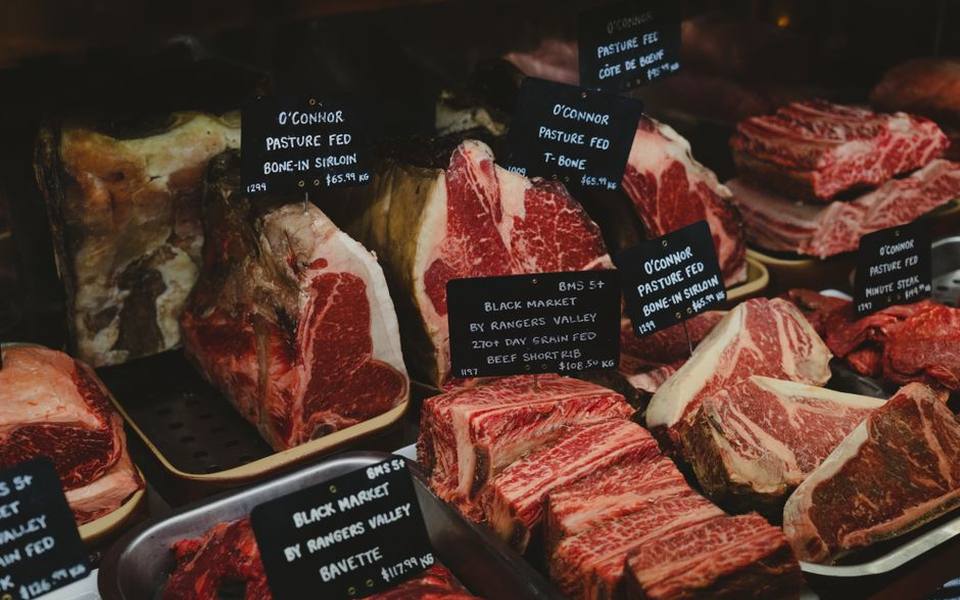
In contrast, flanken ribs are cut perpendicular across multiple rib bones using a commercial band saw, yielding long, narrow strips of meat studded with three or four oval cross-sections of bone. These strips typically measure between a quarter-inch and a half-inch in thickness. Because the meat grain is truncated into short cross-sections, the tough connective collagen requires significantly less cooking time to become tender, turning what was once a braising cut into an exceptional candidate for high-heat cooking.
Choosing between these cuts depends entirely on the heat source you intend to use. If your recipe relies on an oven, smoker, or heavy cast-iron vessel with liquid, ask for thick English-cut blocks that can withstand long, sustained thermal conversion. If you plan to sear quickly over wood charcoal or an open flame, flanken-style slices are mandatory because thick English cuts will remain tough and chewy if cooked over short durations on direct heat.
What Separates Short Ribs from the Beef Rib Steak Bone
Shoppers frequently confuse the bone in a bone-in ribeye or tomahawk with true short ribs. A beef rib steak bone is part of the primal rib section located higher on the steer, directly supporting the longissimus dorsi muscle that forms the eye of ribeye steaks. While these back rib bones carry exceptionally tender meat between them, they contain very little meat on top because butchers trim close to the bone to maximize the weight and value of the premium steak itself.
Short ribs, by comparison, sit below the rib primal along the ventral portion of the steer, where the meat layer is far thicker and subject to greater physical tension during the animal's lifetime. This mechanical difference means meat attached to a beef rib steak bone is naturally tender and needs only standard steak searing, while meat from short ribs contains dense bands of collagen and coarse grain that demand either deliberate mechanical tenderization, acidic marinades, or extended cooking intervals.
When you see beef back ribs sold in butcher shops, remember that they cook much faster than short ribs and have a noticeably lighter, steak-like profile. If you substitute back ribs in recipes designed for rich short rib braises, you will often find that the dish lacks the gelatinous body and rich sauce-coating richness that short ribs naturally yield as their connective tissues dissolve into liquid gold.
The Origins and Butcher Style of LA Galbi
In Korean barbecue traditions, beef short ribs are known as galbi or kalbi beef. Traditionally in Korea, galbi was hand-butchered using a method called butterfly rolling, where a chef cuts thinly along the bone to roll out a continuous sheet of rib meat while leaving the bone attached at one end. This artisanal technique required great knife skill and substantial preparation time, making it an exclusive delicacy prepared primarily for special family gatherings and banquets.
The style known globally as LA galbi emerged from Korean immigrant communities in Los Angeles who sought a fast, economical way to prepare short ribs using American grocery store resources. Instead of tedious manual butterflying, local grocers utilized industrial meat saws to slice the ribs crosswise into thin flanken ribs. This innovation allowed the marinade to penetrate deeply within hours rather than days and let home cooks grill large quantities over tabletop portable grills in mere minutes.
Today, LA galbi is standard across Korean barbecue restaurants worldwide. When shopping at Asian grocers or independent butcher counters, you will find these thin ribbons packaged under labels like Korean barbecue short ribs or flanken-cut kalbi. Look for strips that feature clear, bright red muscle tissue surrounded by tight, white marbling, with flat bone rings that are neatly centered along one side of the strip rather than jagged or chipped by uneven sawing.
Building a Balanced Korean Kalbi Marinade
A proper marinade for Korean bbq beef short ribs accomplishes two distinct tasks: it tenderizes the dense muscle fibers and caramelizes against high heat to create smoky, charred edges. The foundation starts with naturally brewed soy sauce, granulated or brown sugar, pure toasted sesame oil, and freshly minced garlic. Sugar provides essential sweetness that balances the salinity of the soy while acting as the primary fuel for surface browning over the fire.
The secret to authentic kalbi beef lies in natural fruit enzymes used to gently break down muscle fibers without turning the meat mushy. Grated Asian pear is the gold standard for this job, supplying mild sweetness and active calpain-like enzymes. If fresh Asian pear is out of season or difficult to source, grated sweet apple, blended Bosc pear, or a small splash of kiwi juice will deliver similar enzymatic tenderizing benefits without overpowering the savory profile.
To round out the flavor profile, add finely sliced scallions, cracked black pepper, and a splash of mirin or rice wine to eliminate any gamey mineral notes. Avoid relying on excessive salt or chemical tenderizers, which draw moisture out of the thin meat and leave the surface dry. Mix the marinade until the sugar dissolves completely before submerging the ribs, ensuring every surface of the meat is evenly coated.
Techniques for Grilling Korean Short Ribs
Mastering grilled Korean short ribs requires managing direct, radiant heat so the marinade caramelizes before the meat dries out or the bone scorches. Before placing the meat on the grates, remove the ribs from the liquid and allow any heavy excess marinade to drip off. If the strips enter the grill dripping wet, the sugars will burn instantly, causing bitter black flare-ups and filling your cooker with dense acrid smoke.
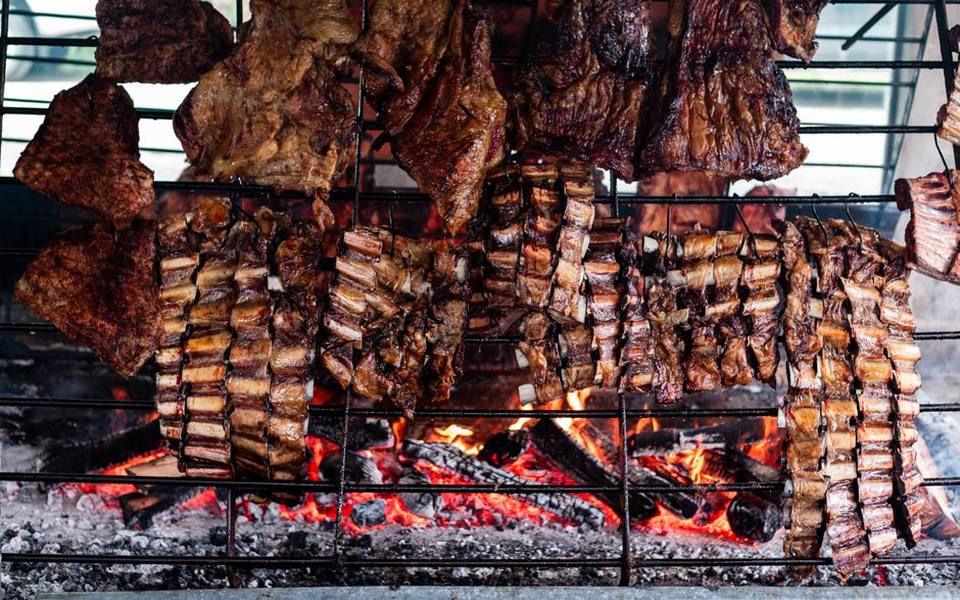
Set your outdoor grill to medium-high heat, ideally around four hundred to four hundred fifty degrees Fahrenheit, creating a distinct cool zone on one side of the grate. Lay the strips flat across clean, well-oiled cooking grates directly over the heat source. When cooking Korean short ribs of standard thickness, they need only two to three minutes on the first side before releasing clean grill marks and beginning to bubble at the surface edges.
Flip the strips once and cook for an additional two minutes on the reverse side until the fat along the bone turns translucent and bubbly. If grease causes flare-ups from rendering rib fat, shift the meat toward the cooler side of the grate until flames subside. Once cooked, transfer the ribs to a cutting board and use kitchen shears to snip the strips between each bone segment into bite-sized portions for serving.
Cooking Boneless Beef Ribs Without Drying Them Out
Boneless beef ribs found at butcher counters are rarely cut from the actual rib plate; instead, they are usually sliced from the chuck roll, the serratus ventralis muscle, or trimmings from the chuck flap. Because these cuts come from working muscles loaded with intermuscular collagen, cooking boneless beef ribs as if they were boneless steaks will often result in a tough, disappointing bite unless you modify your cooking parameters.
To cook boneless ribs on the grill, treat them similarly to thick skirt steaks or Denver steaks. Begin with a deep, savory marinade containing citrus juice or vinegar to tenderize the exterior, then sear the meat quickly over high heat to build a crust while leaving the interior at a medium-rare to medium doneness, around one hundred thirty-five to one hundred forty degrees. Slice the meat narrowly across the grain before plating to keep each bite tender.
Alternatively, boneless beef ribs excel in a slow braising bath or pressure cooker. When cut into two-inch cubes and simmered alongside aromatics, root vegetables, and beef broth, the high fat and gelatin content melts down completely within ninety minutes, producing rich stew meat that shreds effortlessly. This makes boneless cuts a budget-friendly substitute for bone-in short ribs when cooking hearty comfort dishes like beef bourguignon or shredded taco fillings.
Low and Slow Braising for Thick English Cut Ribs
Braising English-cut short ribs is one of the most reliable methods in home cooking because the cut's heavy collagen structure acts as a natural insurance policy against drying out. Begin by thoroughly seasoning each rib block with coarse kosher salt and black pepper, letting them sit at room temperature for thirty minutes. Heat a heavy enameled Dutch oven over medium heat with a small amount of neutral oil and sear the ribs deeply on all four meat sides.
Do not rush this initial sear, as the deep brown crust created through the Maillard reaction supplies the primary savory backbone for the braising liquid later. Once the ribs are seared, remove them from the pot, pour off any excess surface grease, and soften diced onions, carrots, and celery in the remaining fond. Add tomato paste, deglaze the pot with dry red wine, and scrape every browned bit off the base before returning the ribs to the vessel.
Pour in rich beef stock until the ribs are submerged approximately two-thirds of the way up their sides, leaving the top crust exposed to preserve texture. Cover the pot tightly with a heavy lid and transfer it to an oven preheated to three hundred degrees Fahrenheit for roughly three hours. You will know the ribs are finished when a meat fork inserts into the center without resistance and the meat begins pulling back visibly from the bone.
Sourcing Fresh Ribs and Working with Local Counters
Finding high-grade short ribs starts with knowing what to ask for at the butcher counter. When requesting meat for Korean BBQ short ribs, ask the butcher specifically for thin flanken ribs cut across the bone at three-eighths of an inch. If you simply ask for short ribs, most American meat counters will hand you standard two-inch English blocks intended for stews, which cannot be converted to flanken strips at home without a commercial bone saw.
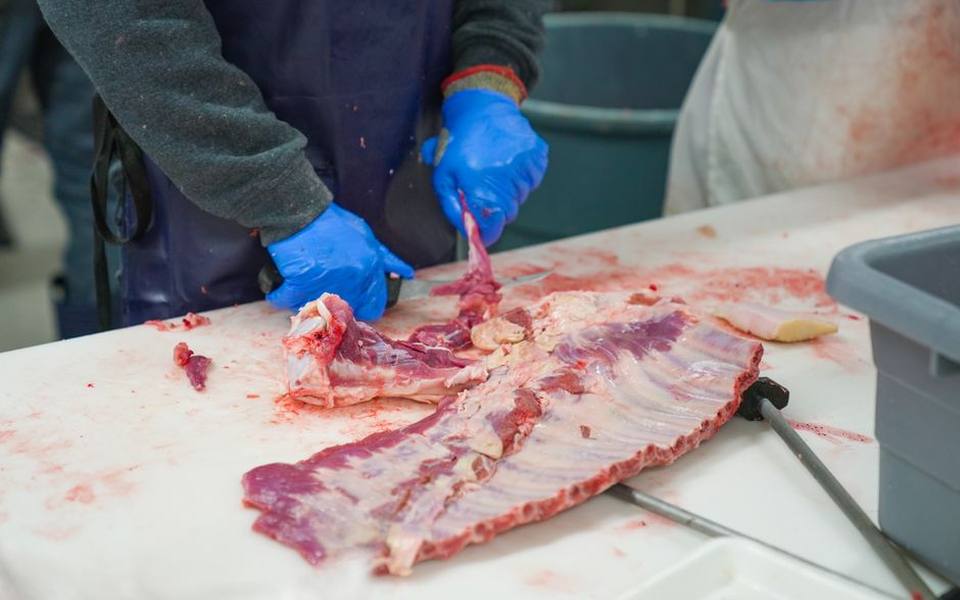
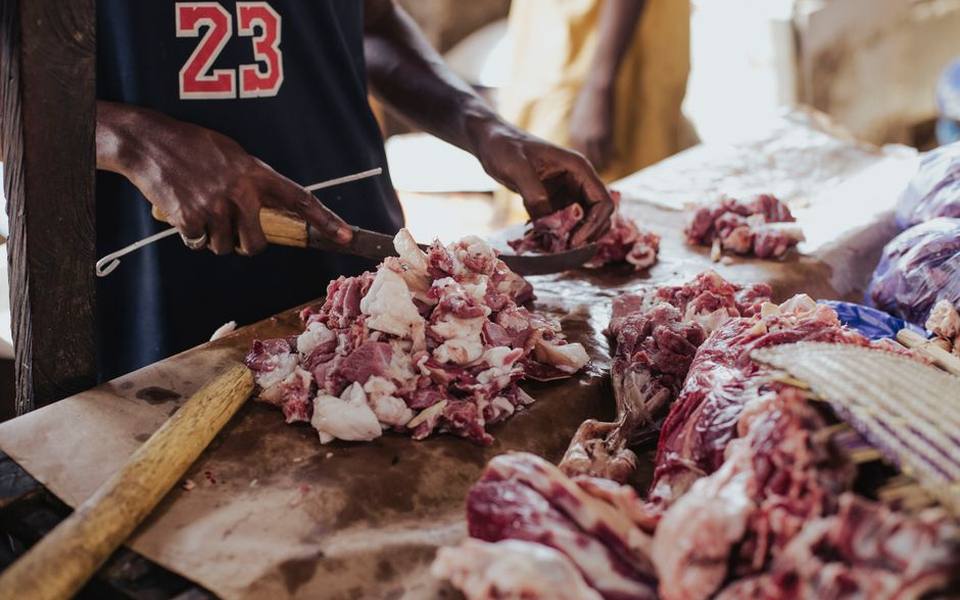
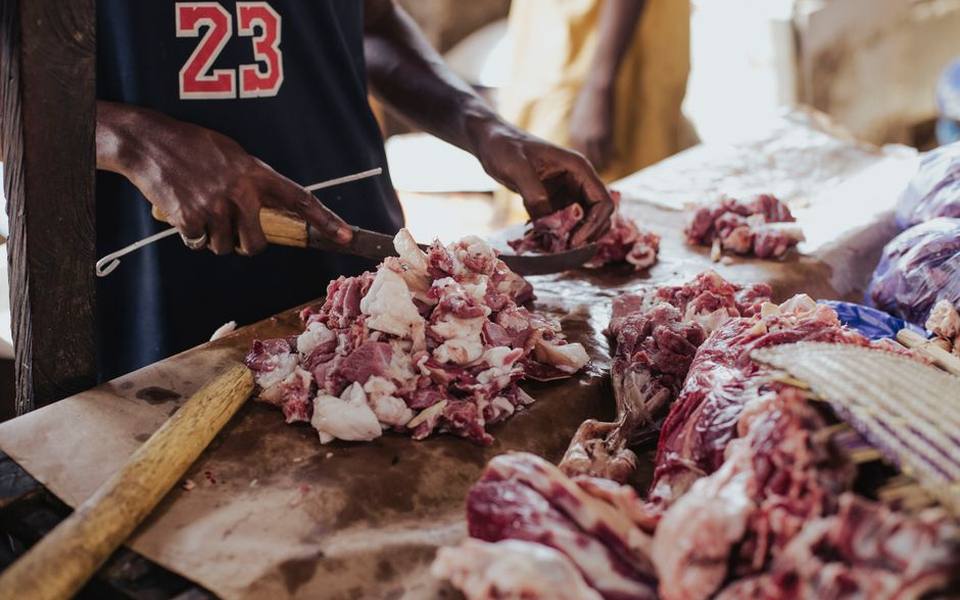
If you are seeking specialty meats, many local retail counters provide options like custom cutting to slice whole plate racks to your exact specifications. Quality indicators include deep red meat without brown spots, firm white fat, and bones free of splintered marrow edges. Shoppers who observe dietary guidelines can locate dedicated shops offering halal meat that prepare ribs following traditional standards.
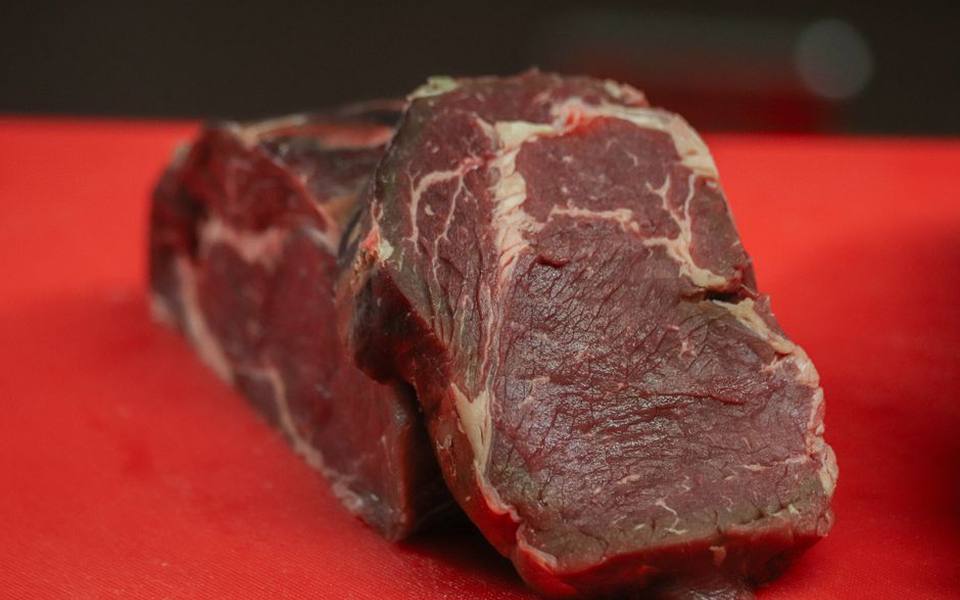
For special occasions, inquiring about dry-aged beef cuts can elevate your braised ribs with an earthy, concentrated nuttiness that standard supermarket plastic-wrapped cuts cannot match. Whether you reside in competitive markets with independent butchers in California or shop rural craft shops across the country, building a relationship with a skilled meat cutter guarantees you get consistent, well-portioned rib slabs every time.
Safe Handling, Marinating Times, and Storage
Proper food safety handling is essential when preparing marinated beef short ribs due to their moisture content and broad surface area. Flanken-cut ribs should be kept refrigerated at or below forty degrees Fahrenheit throughout the marinating process. For optimal flavor penetration without compromising texture, keep thin flanken ribs in their marinade between six and twenty-four hours; soaking beyond twenty-four hours can make the outer meat fibers mushy as acids and enzymes break down tissue too far.
If you plan to prep ribs ahead of time for a large gathering, freeze the flanken strips unmarinated, or freeze them directly submerged in their marinade for no longer than three months. When frozen in the marinade, thaw the meat slowly in the refrigerator over twenty-four hours. As the ice melts, the meat absorbs the liquid gently, meaning the ribs are fully seasoned and ready for the grill the moment they reach refrigeration temperature.
Leftover cooked ribs should be cooled quickly, packed into airtight glass containers, and eaten within three to four days. To reheat braised English ribs, warm them gently in their original sauce on the stovetop over low heat to preserve their moisture. For grilled Korean ribs, re-crisp them quickly in a dry cast-iron skillet over medium-high heat for sixty seconds per side, which refreshes the caramelized sugars without cooking the interior into rubber.
Published 2026-09-20 · reviewed with each rebuild, last September 2026.
Find butcher shops near you
The directory lists 13,556 butcher shops by state and city — pick your state or use the “Near me” button in the header.
More guides
-
 Buying
Flank Steak vs. Skirt Steak: The Complete Flat Cut Guide
-
 Storage
Storing Fresh Meat and Deli Cuts: Refrigerator and Freezer Timelines
-
 Money
MoneyUnderstanding Beef Prices: Retail Costs, Hanging Weight, and Bulk Buying
-
 Buying
Ribeye vs. New York Strip: Flavor, Marbling, and Texture Compared
-
 Storage
Freezer and Fridge Meat Storage Guide: Shelf Life, Freezing, and Safety
-
 Buying
Ribeye vs. New York Strip: Cut Comparison, Flavor, and Texture
-
 Buying
A Complete Guide to Roasting Prime Rib and Navigating the Butcher Counter
-
 Money
MoneyUnderstanding Beef Costs: From Everyday Retail Cuts to Bulk Whole Cattle Purchases
-
 Owning
Essential Butcher Tools: Meat Thermometer Buying Guide and Knife Sharpening
-
 Buying
Complete Guide to Beef Tenderloin and Filet Mignon
-
 Buying
Bistro Steaks: How to Choose, Prep, and Grill Flank, Flat Iron, Hanger, and Bavette
-
 Buying
Beef Short Ribs, Plate Ribs, and Flanken Cut Guide
-
 Buying
A Guide to Cornish Game Hens, Guinea Fowl, and Specialty Poultry
-
 Buying
Chorizo, Andouille, and Specialty Artisan Sausages: A Practical Guide to World Styles
-
 Buying
Butcher's Guide to Pork Shoulder, Boston Butt, and Country-Style Ribs
-
 Buying
Butcher's Guide to Ribeye, Tomahawk, Cowboy, and Chuck Eye Steaks
-
 Buying
A Guide to Offal, Beef Tallow, Bone Marrow, and Specialty Cuts
-
 Buying
A Butcher's Guide to Deli Meats, Cured Cuts, and Charcuterie Selection
-
 Owning
Butcher Tools Guide: Thermometers, Knife Sharpening, and Essential Supplies
-
 Buying
Corned Beef Brisket: Cut Selection, Home Curing, and Cooking Guide
-
 Buying
Grass-Fed Beef, Pasture-Raised Meat, and Clean Meat Sticks: A Buyer's Guide
-
 Buying
Pork Spare Ribs, St. Louis, and Country-Style Ribs Guide
-
 Storage
The Practical Guide to Dry Aging Beef at Home and Choosing Equipment
-
 Owning
Butcher's Guide to Rich Chicken Broths and Regional Homemade Soups
-
 Buying
Bacon-Wrapped Jalapeño Poppers: A Complete Butcher's Guide
-
 Buying
A Butcher's Guide to Pork Sirloin Roasts, Stuffed Chops, and Crown Cuts