Selecting the Right Cuts for Maximum Gelatin and Body
A truly restorative chicken broth depends far less on lean breast meat and far more on connective tissue, collagen, and mature bone structure. When you visit a local counter, looking for soup components means asking for chicken backs, wing tips, necks, and feet rather than boneless cuts. These inexpensive butcher cuts are rich in collagen, which melts down into gelatin during a gentle simmer, giving your finished liquid a silky body that coats the back of a spoon once cooled.
Stewing hens, often sold as soup fowl, provide significantly more flavor than standard young broiler-fryers. Because these birds are older, their muscle fibers are tougher and their bones are denser, requiring several hours of extraction to yield their savory depth. If whole stewing birds are unavailable, pairing chicken backs with skin-on, bone-in thighs offers a balanced solution, yielding both structural richness from the bones and tender, flavorful shredded meat for your finished bowls.
You can easily source specific frames and specialty carcass trimmings by visiting custom-cut butcher shops that break down whole chickens on site daily. Butchers who process whole birds regularly accumulate frames that yield superior broth compared to pre-packaged grocery cartons. Sourcing pasture-raised or air-chilled carcasses ensures the fat skimming to the surface has a vibrant golden hue and clean, savory aromatics without excessive water dilution.
Mastering the Slow Cooker for Hands-Off Extraction
Setting up a reliable crockpot chicken soup lets you extract deep poultry essence across an entire work day without monitoring an open stove flame. The low, sustained heat of a countertop slow cooker maintains a consistent sub-simmer, typically hovering right around 190 to 200 degrees. This gentle thermal environment keeps the broth from boiling violently, which prevents fat droplets from permanently emulsifying into the liquid and turning your finished stock cloudy.
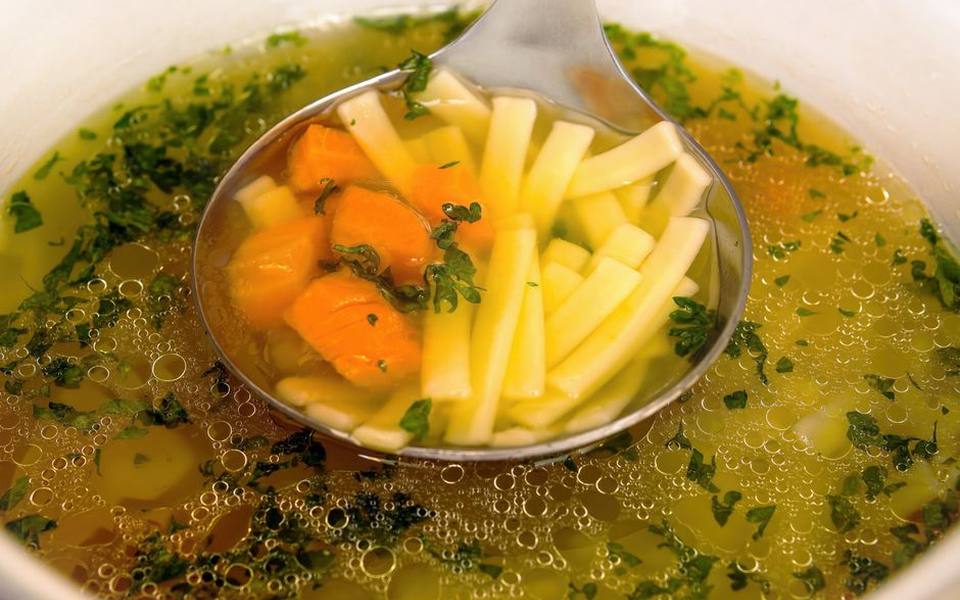
When assembling your ingredients in a slow cooker, place the densest components at the bottom where heat transfer is most efficient. Layer chopped carrots, yellow onions, and celery stalks beneath your bone-in poultry cuts, then cover everything with cold filtered water. Starting with cold water allows soluble proteins to dissolve gradually into the liquid rather than seizing immediately, creating a clearer broth that requires minimal straining once the cook cycle finishes.
After seven to eight hours on low heat, the connective tissues within the chicken will soften completely, allowing the meat to slip effortlessly off the carcass. Remove the poultry pieces carefully to a cutting board to separate the meat from the skin and small bones before stirring it back in. Because slow cookers retain moisture with tight lids, you may want to leave the lid slightly cracked during the final hour to concentrate the steam and deepen the baseline flavor profile.
Pressure Cooker Methods for Quick Broth and Tender Meat
Modern multi-cookers completely change the timeline for bone-broth extraction without sacrificing richness. Preparing a chicken soup instant pot recipe allows you to break down collagen in roughly forty-five minutes at high pressure, achieving the same gelatin conversion that typically demands four hours of stovetop watching. The sealed environment traps volatile aromatic compounds that usually evaporate into your kitchen, resulting in an exceptionally fragrant, punchy broth.
The primary challenge with high-pressure poultry cooking is preventing delicate aromatics and white meat from turning unpleasantly mushy. If you prefer white meat in your soup, drop bone-in breasts into the pot on top of the carcass bones, cook under pressure for fifteen minutes, and perform a controlled release to pull the breast meat out while it remains juicy. You can then return the bones and aromatics to pressure for another thirty minutes to finish extracting the dense minerals.
Always allow a pressure cooker to release naturally for at least fifteen to twenty minutes when dealing with high-liquid recipes. Venting the steam immediately via quick release forces the boiling liquid to agitate vigorously against the lid, which not only risks spraying hot stock through the valve but also forces emulsified fat into the broth, clouding the liquid. A gentle, natural drawdown preserves clarity and yields pristine stock every time.
Classic Southern Dumplings and Velvet Broth
A proper bowl of soup chicken and dumplings represents the pinnacle of comfort food, relying on a starch-thickened, velvety base rather than a clear consomme. The foundation starts with a whole bird poached gently with whole peppercorns, fresh thyme, and aromatic mirepoix. Once the meat is pulled into bite-sized shreds, the remaining broth is seasoned generously with freshly cracked black pepper and simmered rapidly to reduce down to a rich, golden stock.
Dumpling styles vary regionally between rolled flat pastry squares and light, drop-style biscuit puffs. Rolled dumplings, popular across the American South, are rolled thin from a simple flour, shortening, and ice-water dough, then cut into wide ribbons. As these dough strips drop into the rolling broth, the loose flour on their surface dissolves directly into the pot, naturally transforming the clear poaching liquid into a glossy, gravy-like consistency without requiring added cornstarch slurries.
If you prefer fluffy drop dumplings, incorporate baking powder and whole buttermilk into the flour mixture, dropping rounded spoonfuls directly onto the bubbling broth. Cover the pot tightly with a heavy lid and resist the urge to peek for twelve minutes; steam is the critical cooking medium here. Trapping the steam ensures the dumplings expand into tender, airy pillows rather than sinking into dense, leaden lumps beneath the liquid surface.
Creamy Potato Gnocchi and Shredded Chicken Combinations
Restaurant adaptations of soup chicken gnocchi have made this pairing a beloved cold-weather staple, combining pillowy potato dumplings with tender poultry and rich dairy. The key to balancing this soup lies in offsetting the heavy starches of the gnocchi with a base rich in garlic, finely shredded carrots, and tender wilted baby spinach. Using roasted, pulled chicken thigh meat provides enough savory heft to stand up against the creamy broth.
To build the base, sauté aromatics in unsalted butter before deglazing with a rich butcher-grade stock. When thickening the broth, stir in heavy cream or a light roux during the last quarter of the cooking process rather than boiling it early, which prevents the dairy proteins from separating. Pre-packaged shelf-stable or fresh refrigerated potato gnocchi should be dropped in only during the final four minutes of simmering, as overcooking causes them to dissolve into slurry.
Many cooks find exceptional poultry cuts for hearty pasta soups by visiting community shops, including certified halal butchers who offer extraordinarily fresh, whole poultry broken down on demand. Choosing poultry processed without chemical chilling helps ensure the meat holds its structural integrity without leaching excess salt or added moisture into your carefully balanced cream broth.
Rich Creole Roux and Louisiana Chicken Gumbo
Transitioning from clear broths to deep Southern stews introduces soup chicken gumbo, where depth relies entirely on the quality of the roux. A classic gumbo base demands equal parts by weight of fat and all-purpose flour, cooked steadily over medium-low heat until it turns the color of dark melted chocolate or an old copper penny. This deep browning imparts a toasted, nutty flavor that serves as the culinary anchor for the entire pot.
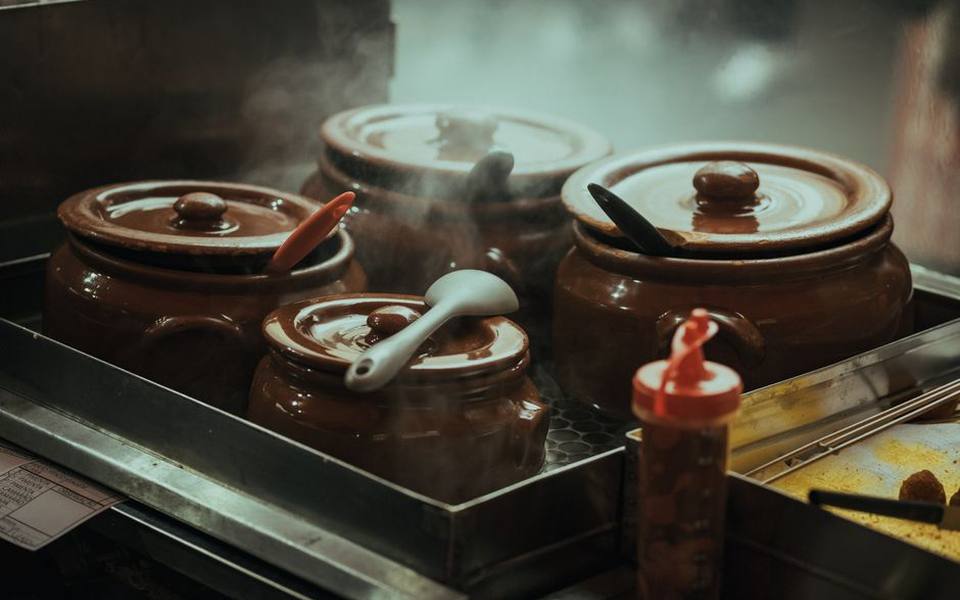
Once your roux reaches the desired dark shade, immediately arrest the cooking by stirring in the holy trinity of diced yellow onions, green bell peppers, and celery. The moisture from the vegetables cools the fat, preventing the flour from scorching into bitterness. From there, gradually whisk in warm poultry stock, layering in sliced smoked andouille sausage and browned bone-in chicken thighs that have been seasoned generously with cayenne, garlic powder, and dried thyme leaves.
Traditional gumbo requires roughly an hour of gentle bubbling so the gelatinous stock blends smoothly with the toasted starches. Sliced okra can be added to provide natural thickening alongside ground sassafras leaf filé powder introduced at the very end of cooking off the heat. When seeking regional poultry and sausage links to build authentic pots, exploring independent butcher shops in Pennsylvania and across traditional smokehouse corridors will yield specialty smoked sausages that bring authentic campfire aroma to the dish.
Mediterranean Tang with Greek Lemon and Egg Emulsion
Bright, velvety, and unexpectedly restorative, the traditional chicken soup greek cooks call avgolemono replaces heavy dairy creams with a delicate emulsion of eggs and fresh lemon juice. The backbone of this soup remains exceptionally simple: clean poultry broth brought to a gentle simmer with short-grain white rice or tiny orzo pasta. As the starches hydrate, they release just enough surface starch to give the base a smooth, pleasant baseline viscosity.
The critical technique lies in the egg tempering phase, which transforms plain broth into a pale, glossy cream without curdling into scrambled eggs. In a mixing bowl, whisk whole eggs or a blend of whole eggs and extra yolks with freshly squeezed lemon juice until pale and slightly frothy. While whisking continuously with one hand, ladle hot broth from the pot into the bowl in a thin, steady stream, gently elevating the temperature of the raw eggs.
Once the tempered mixture is warm to the touch, pour it back into the main pot over very low heat, stirring constantly until the entire soup thickens into a velvet ribbon. Never allow avgolemono to reach a rolling boil after the eggs are introduced, or the proteins will seize immediately and destroy the velvety mouthfeel. Shredded poached chicken breast meat and chopped fresh dill are gently stirred in right before dishing out into warm bowls.
Sweet Corn Chowders and Pennsylvania Dutch Bot Boi
The union of sweet kernel crunch and savory bird creates soup chicken and corn, a staple seen across Pennsylvania Dutch hearths and summer farmstands alike. Classic corn soups rely on stripping fresh sweet corn cobs clean, using both the whole yellow kernels and the milky liquid scraped directly from the stripped cob. Simmering the spent corn cobs directly in your poultry stock transfers a delicate vegetal sweetness that complements the rich poultry fats.
In traditional preparations, broad square noodle ribbons known locally as bot boi or simple hard-boiled eggs are introduced alongside shredded chicken meat and fresh summer sweet corn. A healthy handful of fresh chopped garden celery leaves and dried saffron threads gives the golden broth an earthy, unmistakable regional fragrance. The sweetness of the corn balances the natural sodium levels of the concentrated poultry foundation perfectly.
When fresh ears are out of season, utilizing frozen sweet shoepeg corn provides a reliable, crisp texture that resists turning mushy during prolonged warming. Lightly pureeing a third of the cooked corn kernels with an immersion blender creates a naturally luscious body throughout the pot without leaning on heavy roux pastes or heavy whipping cream additions, keeping the corn profile crisp, clean, and distinct.
Adapting Hearty Recipes for Gluten-Free Needs
Crafting a chicken soup gluten free kitchen visitors can enjoy without digestive worry requires thoughtful handling of thickening agents and starch substitutions. Traditional all-purpose flour roux can be seamlessly replaced with a slurry of sweet rice flour, arrowroot powder, or standard cornstarch dissolved in cold water. These alternatives provide exceptional gloss and body without dulling the pure poultry notes or breaking down during storage.
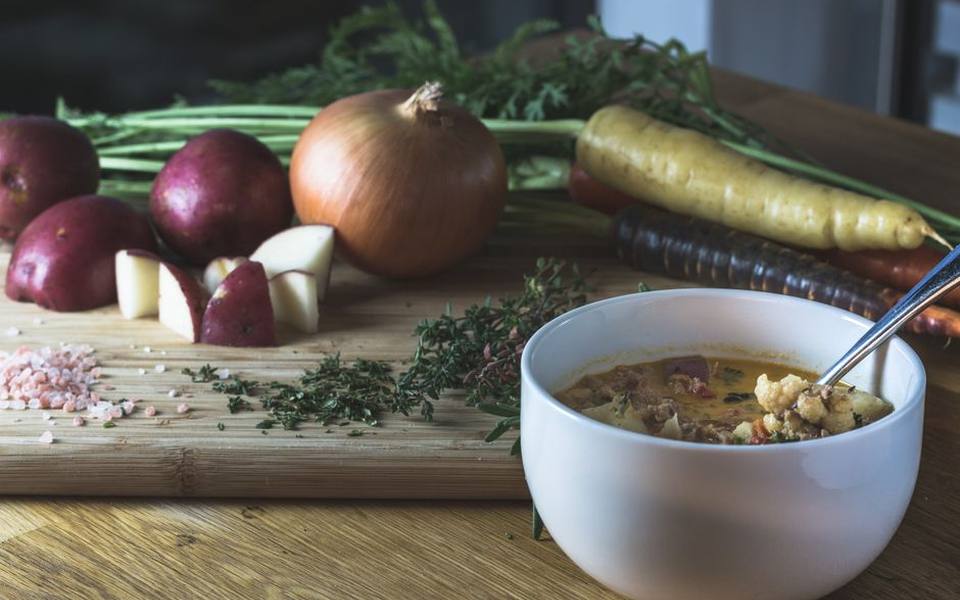
Noodle substitutions require careful timing, as gluten-free pasta varieties behave very differently in hot stock compared to wheat semolina. Brown rice, quinoa, and corn-based noodles soften quickly and continuously release fine starches that can turn your clear soup cloudy or unpleasantly gummy. To preserve pristine broth clarity, cook your gluten-free pasta in a completely separate pot of salted water, drain it, and portion it into individual serving bowls before ladling hot soup over the top.
When shopping for pre-made ingredients like andouille sausage, bouillon bases, or spice blends, always scrutinize the labels for hidden wheat fillers, hydrolyzed wheat protein, or modified food starches. Connecting with knowledgeable staff through our comprehensive directory of butcher shops makes it simple to source house-made stocks, hand-tied allergen-free sausages, and pure, unadulterated poultry carcasses prepared without cross-contact risks.
Cooling, Straining, and Storing Gelatin-Rich Stocks
Proper food handling after simmering is essential for keeping poultry stocks safe and extending their usable shelf life in the home kitchen. A large pot of dense, boiling broth holds onto residual heat for hours; leaving it to cool on the counter creates an ideal bacterial incubation temperature. To bring the liquid down to safe temperatures quickly, strain the hot broth through a fine-mesh sieve into shallow metal pans or set the stockpot into a kitchen sink filled with cold water and ice.
Once the stock cools thoroughly in the refrigerator overnight, the rendered chicken fat will rise to the top and harden into a solid, protective white disc. This fat cap acts as an airtight seal that helps keep the broth fresh underneath. You can lift this disc off cleanly with a spoon if you want a lean base, or melt small portions back into your vegetable sautés to carry deep poultry flavor across other home-cooked skillet dishes.
Gelatin-rich stock stored in airtight containers will typically keep in the refrigerator for four to five days, or in a deep freezer for six to nine months without noticeable flavor degradation. If freezing your stock, leave at least an inch of headspace at the top of glass jars or plastic tubs to allow for liquid expansion as it turns to solid ice, preventing cracked containers and messy kitchen spills.
Published 2026-09-24 · reviewed with each rebuild, last September 2026.
Find butcher shops near you
The directory lists 13,556 butcher shops by state and city — pick your state or use the “Near me” button in the header.
More guides
-
 Buying
Flank Steak vs. Skirt Steak: The Complete Flat Cut Guide
-
 Storage
Storing Fresh Meat and Deli Cuts: Refrigerator and Freezer Timelines
-
 Money
MoneyUnderstanding Beef Prices: Retail Costs, Hanging Weight, and Bulk Buying
-
 Buying
Ribeye vs. New York Strip: Flavor, Marbling, and Texture Compared
-
 Storage
Freezer and Fridge Meat Storage Guide: Shelf Life, Freezing, and Safety
-
 Buying
Ribeye vs. New York Strip: Cut Comparison, Flavor, and Texture
-
 Buying
A Complete Guide to Roasting Prime Rib and Navigating the Butcher Counter
-
 Money
MoneyUnderstanding Beef Costs: From Everyday Retail Cuts to Bulk Whole Cattle Purchases
-
 Owning
Essential Butcher Tools: Meat Thermometer Buying Guide and Knife Sharpening
-
 Buying
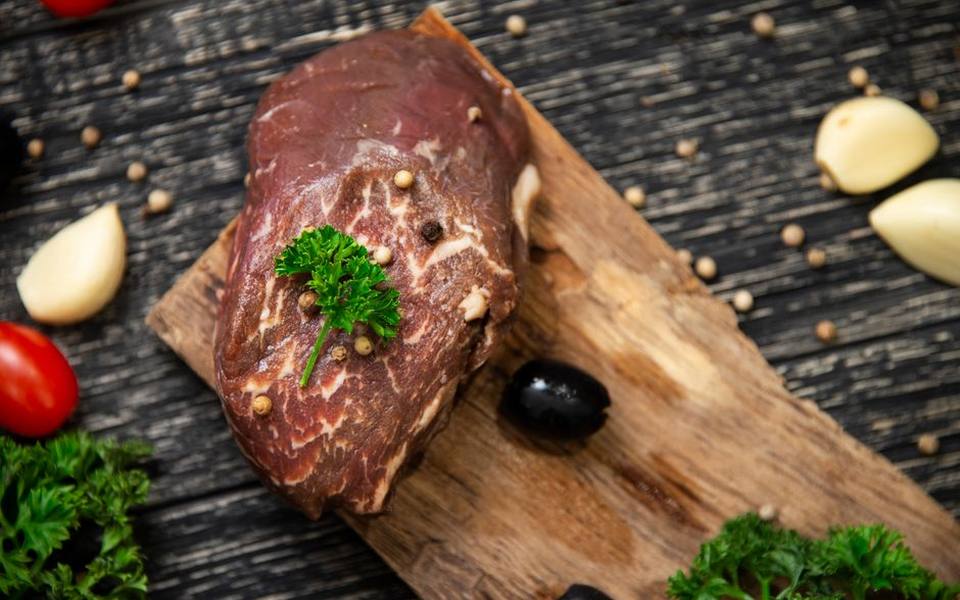
Complete Guide to Beef Tenderloin and Filet Mignon
-
 Buying
Bistro Steaks: How to Choose, Prep, and Grill Flank, Flat Iron, Hanger, and Bavette
-
 Buying
Beef Short Ribs, Plate Ribs, and Flanken Cut Guide
-
 Buying
A Guide to Cornish Game Hens, Guinea Fowl, and Specialty Poultry
-
 Buying
Chorizo, Andouille, and Specialty Artisan Sausages: A Practical Guide to World Styles
-
 Buying
Butcher's Guide to Pork Shoulder, Boston Butt, and Country-Style Ribs
-
 Buying
Butcher's Guide to Ribeye, Tomahawk, Cowboy, and Chuck Eye Steaks
-
 Buying
A Guide to Offal, Beef Tallow, Bone Marrow, and Specialty Cuts
-
 Buying
A Butcher's Guide to Deli Meats, Cured Cuts, and Charcuterie Selection
-
 Owning
Butcher Tools Guide: Thermometers, Knife Sharpening, and Essential Supplies
-
 Buying
Corned Beef Brisket: Cut Selection, Home Curing, and Cooking Guide
-
 Buying
Beef Short Ribs and Korean Kalbi Buying and Cooking Guide
-
 Buying
Grass-Fed Beef, Pasture-Raised Meat, and Clean Meat Sticks: A Buyer's Guide
-
 Buying
Pork Spare Ribs, St. Louis, and Country-Style Ribs Guide
-
 Storage
The Practical Guide to Dry Aging Beef at Home and Choosing Equipment
-
 Buying
Bacon-Wrapped Jalapeño Poppers: A Complete Butcher's Guide
-
 Buying
A Butcher's Guide to Pork Sirloin Roasts, Stuffed Chops, and Crown Cuts