Refrigerator Timelines for Fresh Beef, Pork, and Poultry
Fresh meat has a strictly limited lifespan in standard home refrigeration, where temperatures should consistently hover between 34 and 38 degrees Fahrenheit. When bringing raw cuts home from the counter, the clock begins immediately based on surface area and processing style. Whole muscle cuts like bone-in ribeyes, strip steaks, pork loins, and whole roasts typically stay fresh in the refrigerator for three to five days without losing quality or risking bacterial overgrowth.
Ground meats and poultry require much faster turnover due to how they are processed. Ground beef, ground pork, and fresh sausage expose significant surface area to air during the grinding process, distributing ambient surface bacteria throughout the meat; they typically keep for just one to two days in the fridge. Raw chicken, turkey, and cut poultry pieces also follow this one-to-two-day limit because poultry skin and cavity areas carry higher native moisture levels.
Store all raw meats on the lowest shelf of your refrigerator inside a rimmed sheet pan or shallow dish to catch incidental drippings. Leaving raw meat in the butcher's breathable paper wrapping is fine for twenty-four hours, but if you plan to keep whole cuts refrigerated for the full four or five days, transferring them to an airtight container or a heavy-duty resealable bag helps limit moisture loss and curbs exposure to ambient oxygen.
Temperature stability plays an enormous role in whether raw protein lasts through its expected window. Opening the refrigerator door frequently can cause temperatures on upper and door shelves to spike above 40 degrees Fahrenheit, which dramatically accelerates spoilage. A simple analog refrigerator thermometer kept near the meat drawer provides an accurate check on your real-world cooling baseline.
Deli Cold Cuts: Refrigeration Rules for Sliced and Prepackaged Meat
Cold cuts and sliced lunch meats fall into two distinct storage categories: unopened factory-sealed packages and freshly sliced counter orders. Unopened vacuum-sealed commercial packages will typically last until the printed manufacturer use-by date, and often up to two weeks past purchase if unopened in a cold refrigerator. Once opened, however, the protective nitrogen or carbon dioxide flush dissipates, exposing the meat to oxygen and household contaminants.
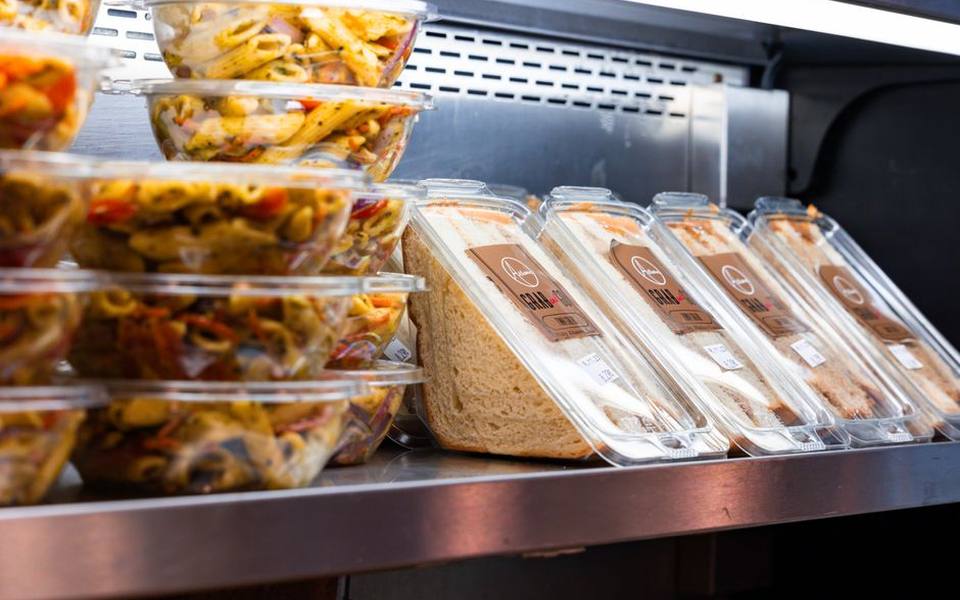
Freshly sliced cold cuts from a service counter lack factory preservatives in the surrounding air and typically remain safe and palatable for three to five days after slicing. Whole-muscle deli selections, such as sliced roast beef or whole roasted turkey breast, dry out faster than emulsified meats like bologna or mortadella, but all fresh-cut varieties share roughly the same three-to-five-day safety horizon. Cured options like hard salami or dry coppa can last closer to two weeks because of their low moisture and higher salinity.
Packaging plays an essential role in extending deli meat quality throughout that short window. The butcher paper and thin plastic film provided at the deli counter protect the slices during transport, but they do not form an airtight barrier once unrolled. Slices stored loosely in open deli paper rapidly oxidize, turn gray or brown, and develop a tough, leathery texture along the outer margins within forty-eight hours.
To maximize freshness, transfer deli cold cuts immediately into an airtight glass or plastic container, or press them firmly into a heavy-duty zipper storage bag while expelling all excess air. If you notice any sour odors, a slippery or iridescent film on sliced turkey, or persistent damp stickiness, discard the meat immediately regardless of whether it has reached the five-day threshold.
Freezing Deli Cold Cuts Without Ruining Texture
Many home cooks wonder whether you can freeze deli cold cuts when buying in bulk or planning meals ahead. The short answer is yes, but the results depend heavily on the moisture content and curing style of the meat. Lean, high-moisture deli meats like sliced roasted turkey breast, chicken breast, and lean ham tend to weep water upon thawing, which can soften the texture slightly and make thin slices tear easily.
Cured and fattier cold cuts handle freezing far better than ultra-lean slices. Salami, pastrami, pepperoni, mortadella, and bologna withstand freezing with minimal changes to taste or structural integrity because their lower water content minimizes the formation of damaging ice crystals. When frozen properly, most cold cuts will easily maintain acceptable culinary quality in a standard freezer for one to two months, remaining technically safe indefinitely at zero degrees Fahrenheit.
To freeze sliced lunch meat successfully, separate larger purchases into realistic lunch-sized portions rather than freezing a full one-pound block. Place a sheet of wax paper or parchment between small stacks of slices so you can peel away only what you need later. Wrap each parcel tightly in plastic wrap, then seal all portions inside an airtight freezer-grade bag with the excess air pressed out.
Thawing frozen cold cuts requires patience to preserve their structural texture. Never thaw deli meats on the kitchen countertop or under warm running water, as this encourages bacterial bloom on the outside while the center remains frozen. Transfer the portion to the refrigerator overnight to allow the meat fibers to reabsorb some of the separated moisture as it slowly melts.
Freezer Timelines for Whole Cuts, Ground Meat, and Game
Freezing suspends bacterial activity indefinitely, meaning meat stored consistently at zero degrees Fahrenheit will technically remain biologically safe to eat forever. However, quality, flavor, and texture degrade over time as sub-zero air pulls moisture from the muscle tissue. The timeline for peak freezer freshness varies significantly depending on the cut, fat content, and overall surface area exposed to the atmosphere.
Thick whole-muscle cuts such as ribeyes, strip loins, whole briskets, and pork roasts retain peak flavor for six to twelve months in standard freezer conditions. Lean whole cuts hold up exceptionally well because denser muscle tissue resists freezer burn longer than loose protein structures. High-volume purchases from butcher shops in Texas or custom meat lockers can stay prime for the full year when wrapped with proper multi-layer barriers.
Finely textured products degrade much faster than whole primal cuts. Ground beef, pork, lamb, and breakfast sausage should typically be consumed within three to four months of freezing. The grinding process incorporates air pockets throughout the meat, accelerating cellular breakdown and freezer burn. Raw poultry parts like breasts, wings, and thighs maintain quality for about nine months, whereas whole birds can easily handle up to twelve months because their skin acts as a protective blanket.
Wild game, such as venison, elk, and wild boar handled through specialized deer and game processing, behaves similarly to ultra-lean beef. Because game lacks the insulating fat cap found on domestic grain-fed livestock, it requires meticulous wrapping to prevent surface desiccation. When packaged cleanly, lean venison steaks and stew pieces typically retain excellent flavor for eight to twelve months in deep freeze.
Vacuum Sealing and Extended Storage Durability
Vacuum sealing is the gold standard for preserving both fresh raw cuts and portioned deli meats. Standard freezer burn occurs through sublimation—the process where ice crystals on the meat surface convert directly into water vapor, leaving behind dehydrated, discolored, and oxidized patches of gray muscle. By removing nearly all ambient air and locking a heat-sealed barrier directly against the meat, vacuum packing virtually eliminates moisture migration.
Under commercial-grade vacuum packaging, whole cuts of beef like strip steaks and tenderloins can last between two and three years in a deep freezer without noticeable loss of tenderness or flavor. Even ground meats, which normally suffer after ninety days in standard freezer bags, routinely keep for twelve to eighteen months under a solid vacuum seal. Factory-sealed meats purchased from certified purveyors, including specialized halal butchers, often feature heavy barrier films designed to withstand these extended timelines.
When vacuum sealing cuts at home, moisture control along the heat seal line is the primary point of failure. Juices pulled toward the sealing bar by the vacuum pump can prevent the plastic layers from fusing completely, creating microscopic leaks that allow air to re-enter over several months. Patting meats thoroughly dry with paper towels before bagging ensures a clean, impervious heat line.
For items with delicate liquids or heavy marbling, a short pre-freeze of thirty to forty-five minutes on a sheet pan stiffens the exterior without crystallizing the core. This keeps the juices locked inside the muscle tissue while the vacuum sealer draws a tight pull, preventing liquid from reaching the heating element and ensuring the package maintains its vacuum seal for years.
How to Freeze Steaks and Portions Properly
Freezing a high-end steak correctly requires protecting the cellular wall structure of the meat. When meat freezes slowly, large, jagged water crystals form inside the muscle cells, puncturing the cell walls and causing excessive liquid loss—known as purge—when thawed. Rapid freezing produces tiny, uniform ice crystals that leave cell structures intact, resulting in a juicier steak when cooked.
If you do not own a vacuum sealer, you can still freeze steaks effectively using the double-wrap butcher method. First, wrap each steak individually and tightly in plastic cling film or wax-coated butcher freezer paper, eliminating every visible pocket of air between the wrap and the meat surface. Next, wrap the parcel in a second layer of heavy-duty aluminum foil, crimping the edges securely inward.
After double-wrapping, slide the individual steak parcels into a thick, freezer-rated zipper storage bag, press out the remaining air, and write the cut type and packing date clearly on the front. Sourcing whole primals from custom-cut butcher shops allows you to have steaks cut to your preferred thickness before portioning and freezing them at home on your own timeline.
Lay the wrapped steaks completely flat in the coldest section of your freezer, usually directly against the back wall or on a metal freezing shelf, leaving space between them for several hours. Stacking unfrozen steaks on top of one another insulates the center portions, drastically slowing freezing times and compromising texture. Once frozen rock-solid, steaks can be stacked together compactly to save space.
Handling Specialty Cuts, Aging, and Pre-Seasoned Meats
Specialty meats require distinct considerations before committing them to cold storage. Cuts with extended dry aging, such as prime loins purchased from suppliers offering dry-aged beef, already have lower moisture content due to controlled dehydration in aging rooms. Because they contain less free water, dry-aged steaks freeze exceptionally well, but they also pick up ambient freezer odors quickly if not shielded behind high-barrier films.
Pre-seasoning or marinating meat prior to freezing is a popular meal-prep strategy that requires caution with salt levels. Salt draws moisture out of meat cells via osmosis; leaving salted cuts in the freezer for extended periods can cure the meat slightly, altering its texture to feel spongy or ham-like when cooked. If you wish to freeze meats with marinades, focus on herb, garlic, and oil bases, leaving significant salt additions for the day of cooking.
Smoked and cured meats, such as bacon slabs, smoked briskets, and whole hams, offer extended refrigerated windows compared to raw proteins. Vacuum-sealed whole bacon typically lasts several weeks in the refrigerator, but freezing in portioned packets remains the best way to prevent the fat from turning rancid over months. Animal fats degrade faster than muscle meat in freezing environments due to lipid oxidation, so leaner cuts outlast high-fat options.
Bone-in cuts also demand extra preparation before entering freezer storage. Sharp bone edges on T-bones, bone-in pork chops, and short ribs can easily pierce plastic bags or tear aluminum foil under vacuum pressure. Place a small piece of folded parchment paper or butcher wax paper over protruding bone tips before vacuum packaging to maintain an airtight seal.
Power Outages: Managing Frozen Meat When the Grid Fails
A sudden power outage creates an urgent timeline for safeguarding stored meat. The most critical rule during any electrical failure is to keep freezer doors firmly shut. Every time the door opens, warm ambient air rushes inside and replaces the dense, refrigerated air cushion, cutting hours off your safety margin and accelerating temperature gain across every shelf.
How long meat survives in a blackout depends primarily on the volume and type of freezer you use. A fully stocked, tightly packed chest freezer will typically keep meat safe and frozen for forty-eight hours without power. A half-full standalone freezer typically provides twenty-four hours of protection, while an upright combination refrigerator-freezer usually holds safe temperatures for roughly twelve to twenty-four hours depending on insulation quality.
Grouping frozen items tightly together creates a mutual thermal mass that slows the thaw rate. If an outage is anticipated ahead of severe weather, fill empty freezer gaps with plastic jugs of water to create ice blocks, and move the most valuable cuts toward the center of the freezer where temperatures remain coldest for longest.
Once power is restored, inspect every package individually before deciding what to keep. If meat cuts still contain visible ice crystals or remain at or below 40 degrees Fahrenheit as measured by a food probe, they can be safely refrozen or cooked immediately. Any raw or deli meat that has warmed above 40 degrees Fahrenheit for more than two hours must be discarded to prevent foodborne illness.
Safe Thawing Protocols and Spotting Meat Spoilage
Safe storage ends with safe thawing. The preferred method for any frozen meat or cold cut is slow defrosting inside the refrigerator. A one-pound steak typically requires twelve to twenty-four hours to thaw completely in the fridge, while large whole roasts or briskets can take three to five days. Thawing at refrigerated temperatures prevents the meat surface from ever entering the bacterial danger zone between 40 and 140 degrees Fahrenheit.
For faster dinner preparation, the cold-water submersion method works reliably without sacrificing food safety. Place the sealed, leak-proof package of meat in a large bowl of cold tap water, changing the water every thirty minutes so it stays cold. A one-pound package of ground beef or thin-cut steaks will typically thaw within forty-five to sixty minutes using this approach. Never use hot water, which cooks the exterior while leaving the center frozen.
Recognizing true spoilage requires assessing three distinct senses: sight, touch, and smell. Meat that has merely suffered freezer burn will show dry, grayish-white fibrous patches; while unappealing in texture, freezer burn is not a biological safety hazard and can be trimmed away before or after cooking. Spoilage, by contrast, manifests as an unnatural green or dark brown hue, a slick or tacky surface slime, and sour odors.
Never rely on cooking heat to rescue meat that has spoiled in the refrigerator. While thorough cooking kills living bacterial cells, it does not neutralize the heat-stable toxins produced by organisms like Staphylococcus aureus during extended temperature abuse. When in doubt about whether a refrigerated cut has sat beyond its safe window, discarding it remains the only sensible choice.
Published 2026-09-20 · reviewed with each rebuild, last September 2026.
Find butcher shops near you
The directory lists 13,556 butcher shops by state and city — pick your state or use the “Near me” button in the header.
More guides
-
 Buying
Flank Steak vs. Skirt Steak: The Complete Flat Cut Guide
-
 Money
MoneyUnderstanding Beef Prices: Retail Costs, Hanging Weight, and Bulk Buying
-
 Buying
Ribeye vs. New York Strip: Flavor, Marbling, and Texture Compared
-
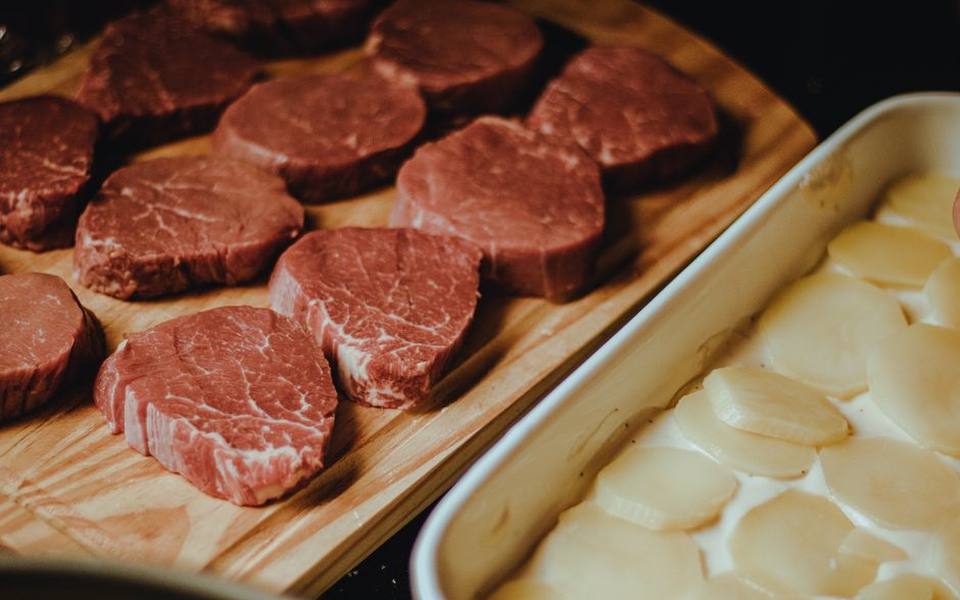 Storage
Freezer and Fridge Meat Storage Guide: Shelf Life, Freezing, and Safety
-
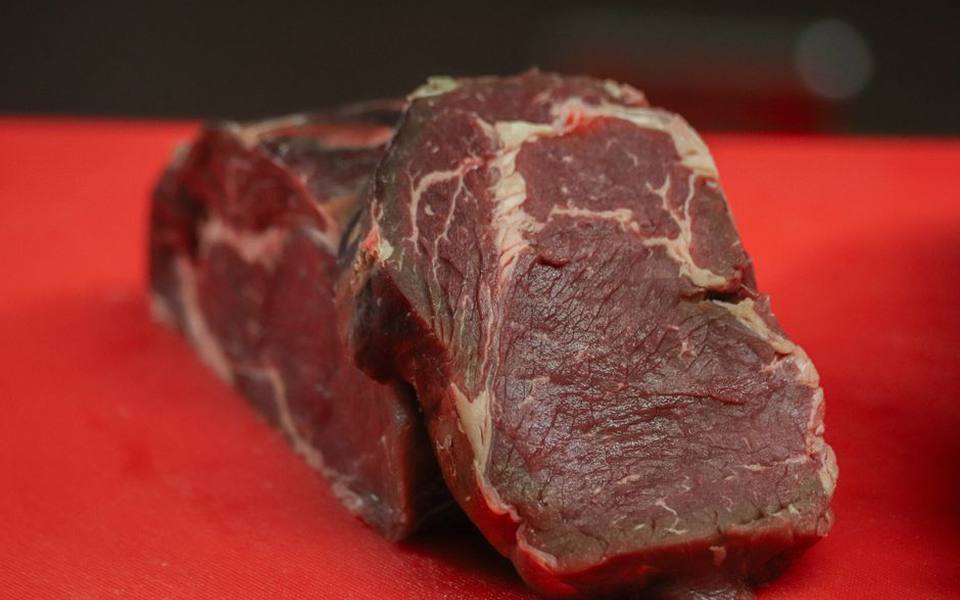 Buying
Ribeye vs. New York Strip: Cut Comparison, Flavor, and Texture
-
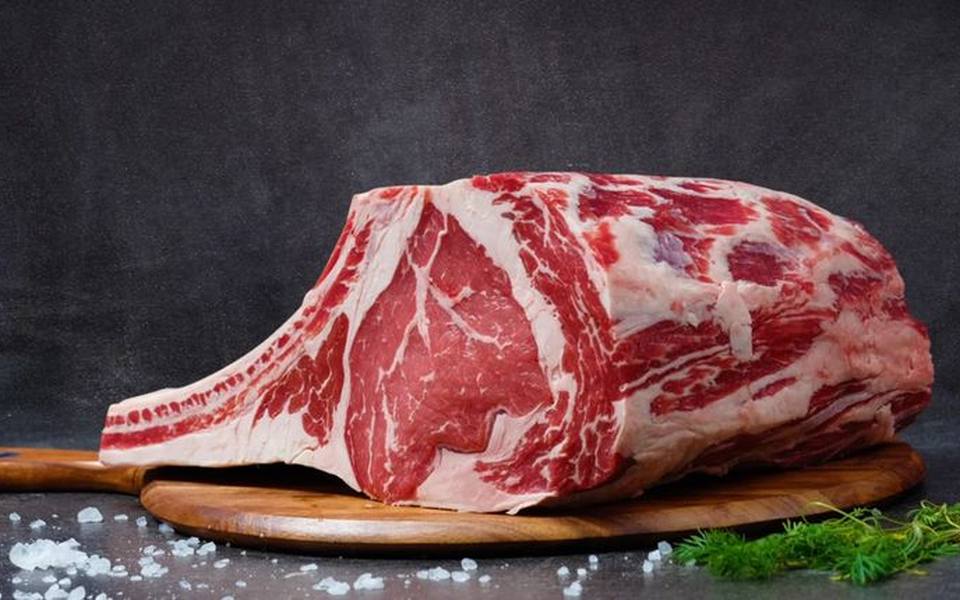 Buying
A Complete Guide to Roasting Prime Rib and Navigating the Butcher Counter
-
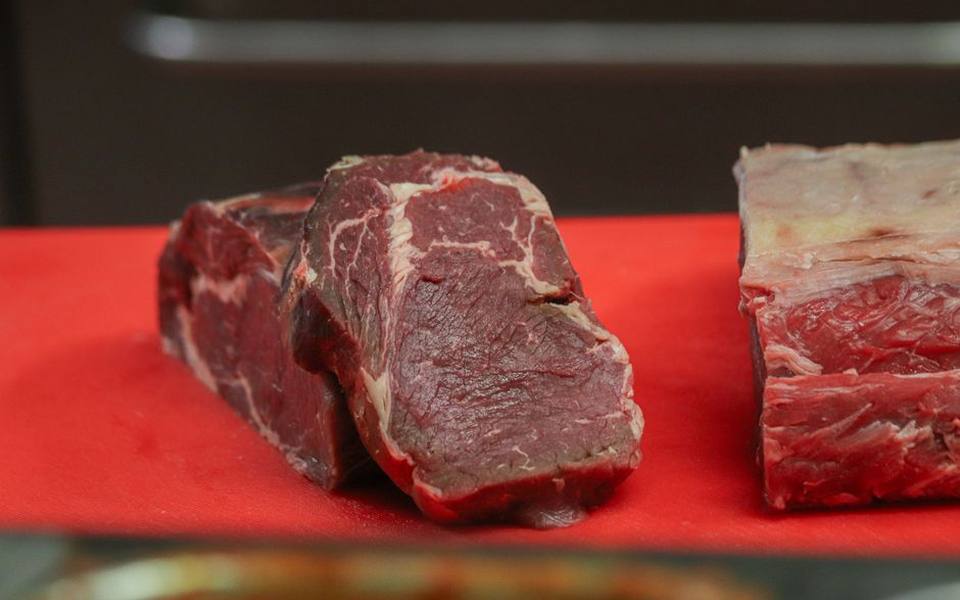 Money
MoneyUnderstanding Beef Costs: From Everyday Retail Cuts to Bulk Whole Cattle Purchases
-
 Owning
Essential Butcher Tools: Meat Thermometer Buying Guide and Knife Sharpening
-
 Buying
Complete Guide to Beef Tenderloin and Filet Mignon
-
 Buying
Bistro Steaks: How to Choose, Prep, and Grill Flank, Flat Iron, Hanger, and Bavette
-
 Buying
Beef Short Ribs, Plate Ribs, and Flanken Cut Guide
-
 Buying
A Guide to Cornish Game Hens, Guinea Fowl, and Specialty Poultry
-
 Buying
Chorizo, Andouille, and Specialty Artisan Sausages: A Practical Guide to World Styles
-
 Buying
Butcher's Guide to Pork Shoulder, Boston Butt, and Country-Style Ribs
-
 Buying
Butcher's Guide to Ribeye, Tomahawk, Cowboy, and Chuck Eye Steaks
-
 Buying
A Guide to Offal, Beef Tallow, Bone Marrow, and Specialty Cuts
-
 Buying
A Butcher's Guide to Deli Meats, Cured Cuts, and Charcuterie Selection
-
 Owning
Butcher Tools Guide: Thermometers, Knife Sharpening, and Essential Supplies
-
 Buying
Corned Beef Brisket: Cut Selection, Home Curing, and Cooking Guide
-
 Buying
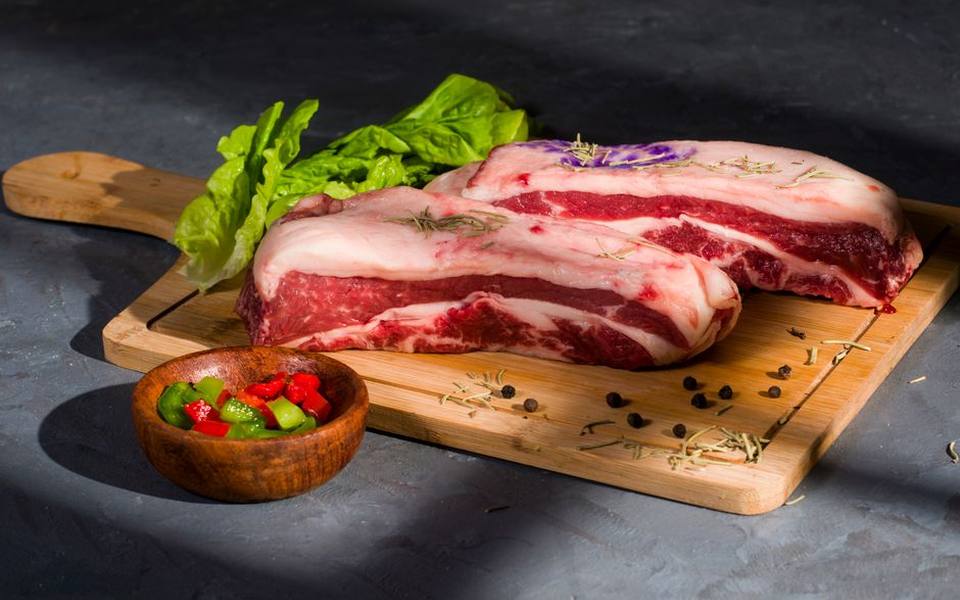
Beef Short Ribs and Korean Kalbi Buying and Cooking Guide
-
 Buying
Grass-Fed Beef, Pasture-Raised Meat, and Clean Meat Sticks: A Buyer's Guide
-
 Buying
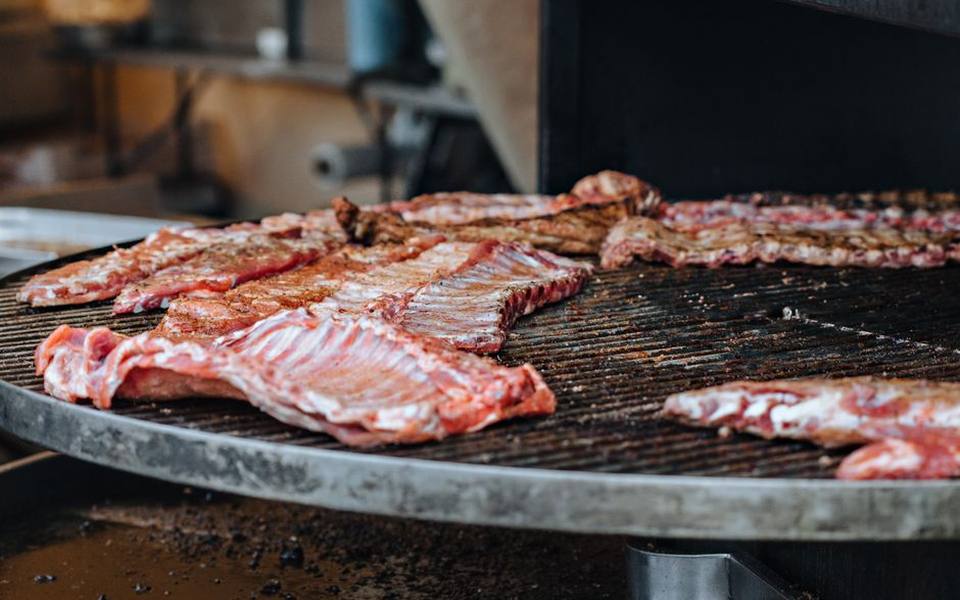
Pork Spare Ribs, St. Louis, and Country-Style Ribs Guide
-
 Storage
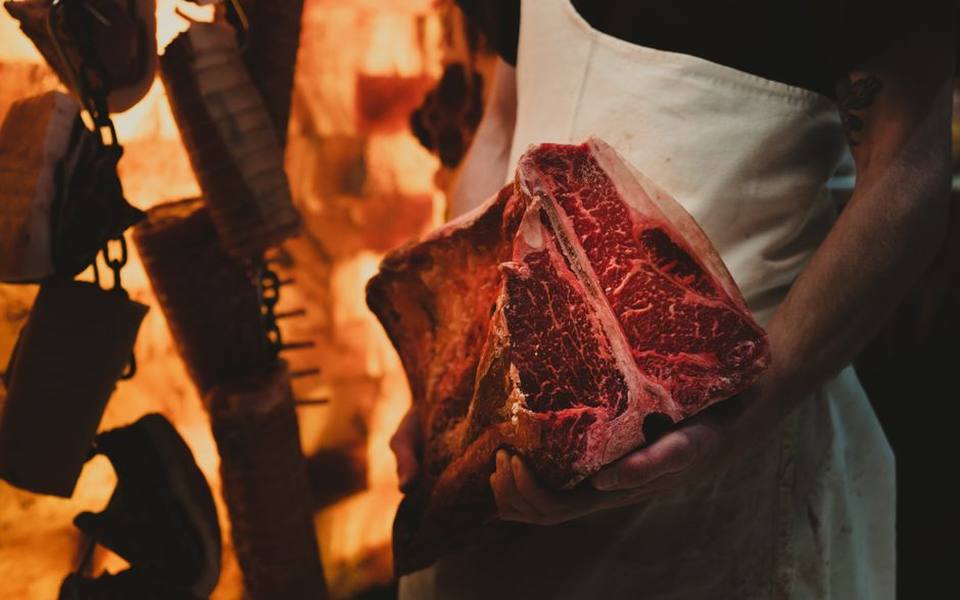
The Practical Guide to Dry Aging Beef at Home and Choosing Equipment
-
 Owning
Butcher's Guide to Rich Chicken Broths and Regional Homemade Soups
-
 Buying
Bacon-Wrapped Jalapeño Poppers: A Complete Butcher's Guide
-
 Buying
A Butcher's Guide to Pork Sirloin Roasts, Stuffed Chops, and Crown Cuts