The Core Kitchen Setup for Working with Meat
Preparing high-quality meat at home requires only three fundamental investments: an accurate digital thermometer, unbleached cotton butcher twine, and truly sharp cutlery. Many home cooks struggle with uneven doneness or torn muscle fibers not because their heat control is flawed, but because their instruments provide sluggish feedback or physical resistance. Assembling reliable preparation gear eliminates guesswork before meat ever touches a pan or smoker grate.
When purchasing premium cuts from local retail counters, relying on visual inspection, timer estimates, or finger tests creates inconsistent results. Poking a roasting joint or cutting into a resting steak releases valuable juices and still leaves internal core temperature uncertain. A fast digital sensor removes ambiguity immediately, letting you pull proteins from the heat at the exact target temperature every single time.
Attempting to slice delicate fat caps, trim silver skin, or portion steaks with a dull chef knife crushes cellular structure instead of slicing cleanly. That friction accelerates moisture loss during cooking and creates ragged edges that burn quickly. Supplementing a well-ground edge with heavy cotton twine allows you to shape uneven cuts into uniform shapes that cook at a steady, predictable pace.
Across traditional counters in regions like butcher shops in Texas, where massive briskets and bone-in roasts are everyday staples, professionals rely on simple, durable tools rather than gimmicks. Understanding how each piece of equipment functions allows you to replicate butcher-shop precision on your home cutting board.
Why Instant-Read Food Thermometers Are Essential
An instant read kitchen thermometer serves as your primary diagnostic device during high-heat searing, stovetop browning, and rapid grilling. Unlike older bimetallic dial thermometers that take thirty seconds to balance, a modern instant read food thermometer provides stabilized readings in two to three seconds. That speed allows you to check internal temperatures without leaving oven doors open or letting grill lids vent valuable heat.
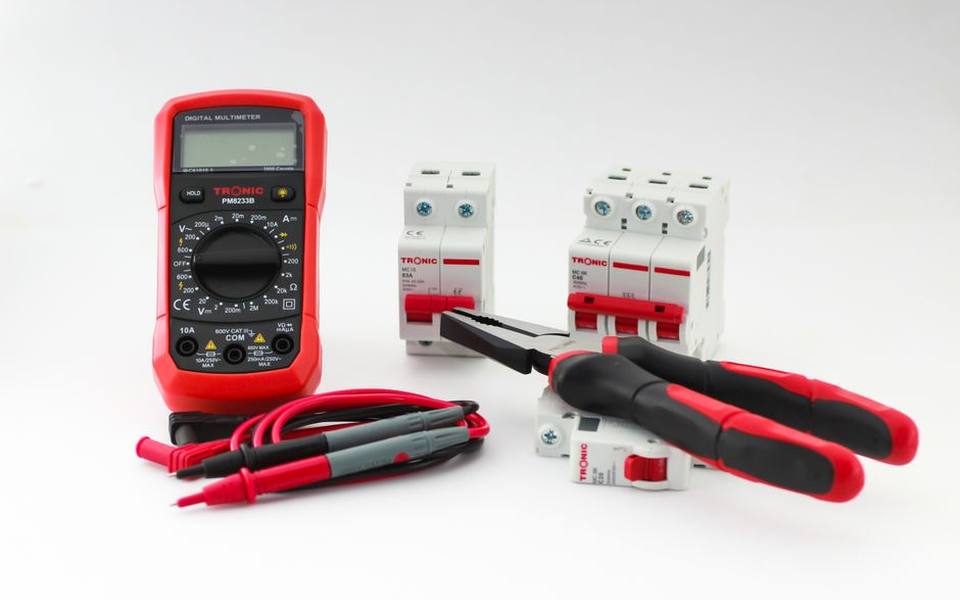
Most rapid probes utilize miniature thermocouple or micro-thermistor sensors housed within the very tip of a narrow stainless steel needle. Because only the bottom millimeter must register heat, you can map temperature gradients across a roast, identifying the exact boundary between the cooler center and the carryover cooking zone near the exterior.
When browsing options, finding a top rated food thermometer typically means looking for clear backlighting, a thin probe diameter, and an ingress protection rating that shields electronics from kitchen splashes. A good food thermometer should feel balanced, turn on instantly upon unfolding the probe, and maintain accuracy within roughly one degree across both freezing and high-heat ranges.
Wireless Probes for Continuous Heat Monitoring
While rapid spot checks work best for steaks and poultry cutlets, wireless meat thermometers excel during low, slow cooking sessions like smoking briskets, roasting holiday birds, or braising pork shoulders. These tools feature leave-in metal probes that stay embedded inside the protein throughout the cook, continuously transmitting temperature data to an external display.
Modern wireless food thermometers fall into two main designs: standalone radio-frequency units with a dedicated handheld receiver, and transmitter docks that connect through Bluetooth or Wi-Fi to a smartphone app. Radio-frequency models offer robust signal transmission through heavy metal smoker lids and exterior home walls without requiring software updates or wireless network pairing.
A good meat thermometer in this continuous-monitoring category often carries two separate sensors within a single shaft: one at the tip measuring meat core temperature, and one on the exposed end tracking ambient air. Monitoring ambient temperature prevents heat spikes that dry out exterior meat fibers long before the center renders its collagen.
Evaluating Technical Specs in Digital Thermometers
Evaluating digital thermometers for cooking requires looking past casing colors and app interfaces to examine the underlying sensor technology. Entry-level digital models usually rely on thermistors, which provide dependable accuracy within one degree but require four to seven seconds to equalize. They represent an affordable choice for general kitchen tasks where speed is not critical.
Thermocouple technology, specifically Type K sensor wire, provides the rapid response times seen in professional kitchens. A top rated cooking thermometer built around a thermocouple stabilizes in under two seconds and tolerates extreme heat without sensor drift, making it equally capable when testing deep-fry oil, sugar syrups, or cold-holding walk-in temperatures.
Calibration capability is another critical feature that distinguishes a good kitchen thermometer from disposable models. Better units allow users to perform simple field adjustments in an ice-water slurry to verify the 32-degree baseline. Over years of heavy use or accidental drops, being able to re-zero your sensor ensures your cooking targets remain dependable.
Butcher String Materials and Construction Standards
Tying roasts, securing rolled flanks, and trussing poultry requires genuine butchers string rather than general-purpose craft cord. Commercial butcher twine is spun from 100 percent unbleached natural cotton fibers, which comfortably handle conventional oven and smoker temperatures up to approximately 450 degrees Fahrenheit without scorching, unraveling, or transferring synthetic chemical flavors into the meat.
Synthetic cords made from nylon, polypropylene, or polyester blends must never enter contact with cooking proteins. Under high heat, synthetic filaments melt directly into melting fats, ruining food safety and releasing noxious smoke. Bleached decorative strings can also introduce residual processing chemicals into acidic marinades or delicate surface tissues.
Cotton cord is categorized by ply, which indicates how many individual strands are twisted together. A 12-ply or 16-ply butcher string provides the ideal balance of tensile strength and suppleness, permitting cooks to cinch knots tightly against dense roasts without snapping the thread or cutting through delicate raw meat fibers.
Trussing Techniques for Even Thermal Absorption
Trussing meat is an essential thermal strategy rather than an aesthetic choice. Irregularly shaped proteins, such as tapered beef tenderloins, rolled pork bellies, or whole chickens, possess thin outer segments that inevitably overcook and dry out before the dense primary muscle warms through. Cinching these cuts into uniform shapes balances thermal mass.
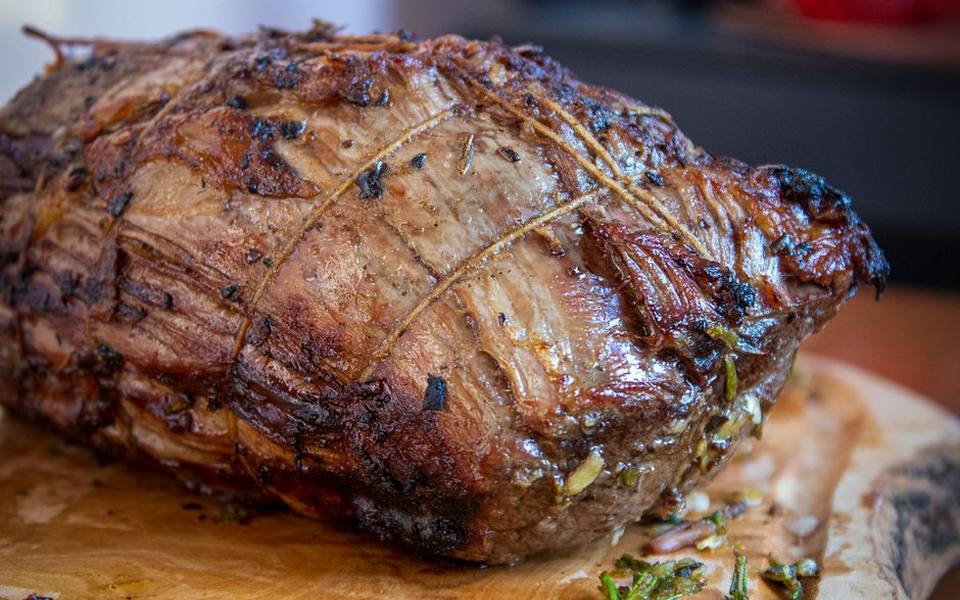
When you bind a cut into a uniform cylinder, heat penetrates from the exterior toward the core at a constant rate along the entire length. This uniform shape eliminates charred tail ends and allows you to predict cooking times accurately based on weight and diameter rather than catering to the cut's thinnest edge.
For home cooks purchasing customized cuts from custom-cut butcher shops, maintaining the butcher's initial trussing or learning to re-tie after dry-brining is straightforward. Using spaced single loops with simple butcher knots keeps seasonings contained inside rolled roasts and prevents stuffed meats from leaking onto the grill.
The Real Value of Professional Knife Sharpening
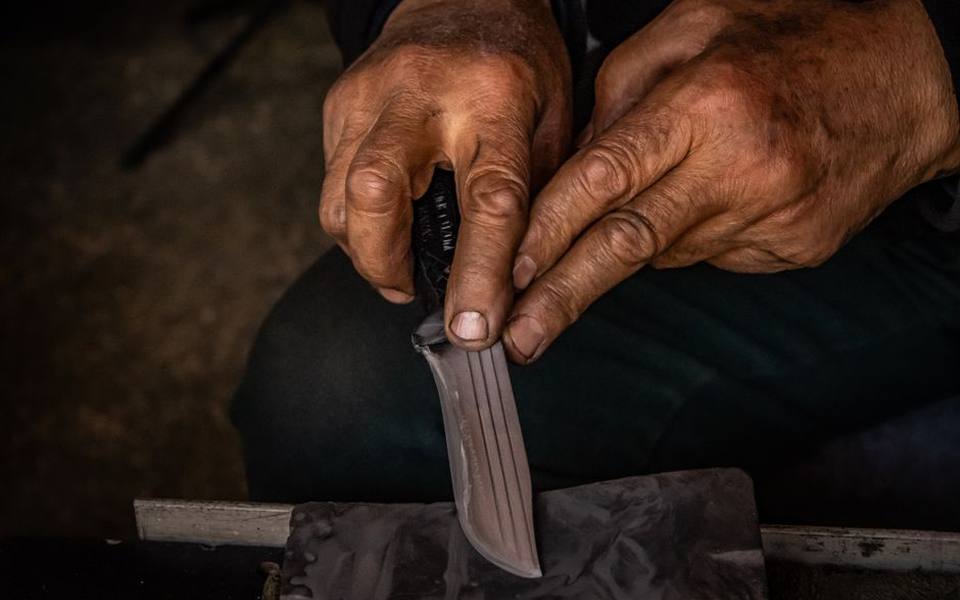
Even premium cutlery eventually loses its cutting authority through regular contact with wooden boards, connective tissue, and bone. While routine home maintenance keeps an edge aligned, professional knife sharpening is periodically necessary to regrind the primary bevel and remove microscopic steel fatigue that simple honing cannot correct.
Specialty knife grinders and butcher shops utilize water-cooled belt grinders or rotating natural stones to re-establish bevel angles without overheating the steel. Excessive dry friction heat can ruin the knife's factory heat treatment, leaving the steel brittle or permanently soft. Professional services restore correct edge geometry while removing the absolute minimum amount of blade material.
Depending on household usage, having core prep knives professionally ground once or twice a year transforms meat prep. A sharp edge glides cleanly through intermuscular fat caps and silver skin, preventing the jagged tears that cause uneven surface browning and excessive moisture weeping during cooking.
Maintaining Sharp Edges Between Professional Grindings
To maximize the interval between grindings, home cooks should understand the mechanical distinction between honing and sharpening. Sharpening grinds away metal to shape a fresh apex, whereas running a blade across a ceramic or ribbed honing steel merely straightens the microscopic edge that rolls over under cutting pressure.
A few light passes on a honing rod at a consistent 15- to 20-degree angle before each prep session restores clean cutting bite in seconds. Honing does not thin the blade, making it a safe, non-destructive daily habit that preserves razor precision across months of slicing and trimming.
Storage practices also influence edge longevity. Keeping kitchen knives loose in drawers causes edges to strike other utensils, leading to micro-chipping along the blade apex. Storing cutlery on magnetic wall strips, inside dedicated edge guards, or in slotted wooden blocks keeps the cutting edge protected from accidental impact.
Never clean quality meat knives in an automatic dishwasher, as harsh abrasive detergents and high-heat wash cycles degrade blade temper and knock fine cutting edges against wire dish racks.
Tool Selection for Specialty Cuts and Game Meat
Different categories of meat place distinct structural demands on your equipment. Field-dressed venison, elk, and feral game handled by regional deer and game processing facilities feature dense, lean muscle fibers and heavy tendon sheets, requiring stiff, semi-flexible boning blades and heavier 24-ply twine to bind lean roasts securely.
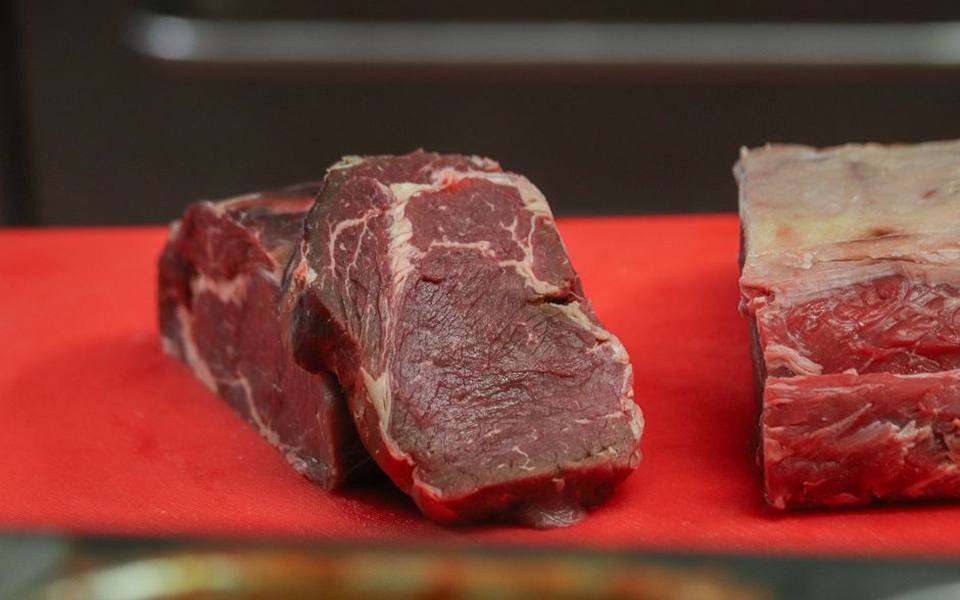
Conversely, breaking down dry-aged subprimals from butcher shops with dry-aged beef demands a long, razor-sharp scimitar or breaking knife. Slicing through the hard, dehydrated outer pellicle without tearing the tender, heavily marbled muscle beneath requires exceptional blade sharpness and minimal hand pressure.
Shops focused on traditional guidelines, such as certified halal butchers, treat edge maintenance as an ethical requirement to ensure smooth, instantaneous cuts. Matching blade profiles, twine strength, and temperature tools to the specific density of your protein protects the culinary quality of the animal.
Building a Durable Prep Station at Home
A productive home prep station pairs proper cutting boards with organized accessory storage. Large end-grain wooden chopping blocks provide the kindest surface for sharp knives, as wood fibers part around the edge rather than blunting it. Periodically treating boards with food-grade mineral oil prevents warping, splits, and bacteria infiltration.
Keeping digital thermometers for cooking, replacement probe batteries, and a twine dispenser together in a dry kitchen caddy streamlines workflow. Storing twine inside a dedicated container protects the spool from raw meat splatters, ensuring that the remaining cord stays clean and sanitary for future cooking sessions.
Reliable meat preparation does not require an industrial kitchen filled with excessive hardware. Equipping yourself with a reliable instant-read probe, a steady leave-in monitor, durable cotton twine, and sharp knives provides the exact framework needed to handle premium cuts with confidence.
Published 2026-09-20 · reviewed with each rebuild, last September 2026.
Find butcher shops near you
The directory lists 13,556 butcher shops by state and city — pick your state or use the “Near me” button in the header.
More guides
-
 Buying
Flank Steak vs. Skirt Steak: The Complete Flat Cut Guide
-
 Storage
Storing Fresh Meat and Deli Cuts: Refrigerator and Freezer Timelines
-
 Money
MoneyUnderstanding Beef Prices: Retail Costs, Hanging Weight, and Bulk Buying
-
 Buying
Ribeye vs. New York Strip: Flavor, Marbling, and Texture Compared
-
 Storage
Freezer and Fridge Meat Storage Guide: Shelf Life, Freezing, and Safety
-
 Buying
Ribeye vs. New York Strip: Cut Comparison, Flavor, and Texture
-
 Buying
A Complete Guide to Roasting Prime Rib and Navigating the Butcher Counter
-
 Money
MoneyUnderstanding Beef Costs: From Everyday Retail Cuts to Bulk Whole Cattle Purchases
-
 Owning
Essential Butcher Tools: Meat Thermometer Buying Guide and Knife Sharpening
-
 Buying
Complete Guide to Beef Tenderloin and Filet Mignon
-
 Buying
Bistro Steaks: How to Choose, Prep, and Grill Flank, Flat Iron, Hanger, and Bavette
-
 Buying
Beef Short Ribs, Plate Ribs, and Flanken Cut Guide
-
 Buying
A Guide to Cornish Game Hens, Guinea Fowl, and Specialty Poultry
-
 Buying
Chorizo, Andouille, and Specialty Artisan Sausages: A Practical Guide to World Styles
-
 Buying
Butcher's Guide to Pork Shoulder, Boston Butt, and Country-Style Ribs
-
 Buying
Butcher's Guide to Ribeye, Tomahawk, Cowboy, and Chuck Eye Steaks
-
 Buying
A Guide to Offal, Beef Tallow, Bone Marrow, and Specialty Cuts
-
 Buying
A Butcher's Guide to Deli Meats, Cured Cuts, and Charcuterie Selection
-
 Buying
Corned Beef Brisket: Cut Selection, Home Curing, and Cooking Guide
-
 Buying
Beef Short Ribs and Korean Kalbi Buying and Cooking Guide
-
 Buying
Grass-Fed Beef, Pasture-Raised Meat, and Clean Meat Sticks: A Buyer's Guide
-
 Buying
Pork Spare Ribs, St. Louis, and Country-Style Ribs Guide
-
 Storage
The Practical Guide to Dry Aging Beef at Home and Choosing Equipment
-
 Owning
Butcher's Guide to Rich Chicken Broths and Regional Homemade Soups
-
 Buying
Bacon-Wrapped Jalapeño Poppers: A Complete Butcher's Guide
-
 Buying
A Butcher's Guide to Pork Sirloin Roasts, Stuffed Chops, and Crown Cuts