The Anatomy of the Beef Rib Primal
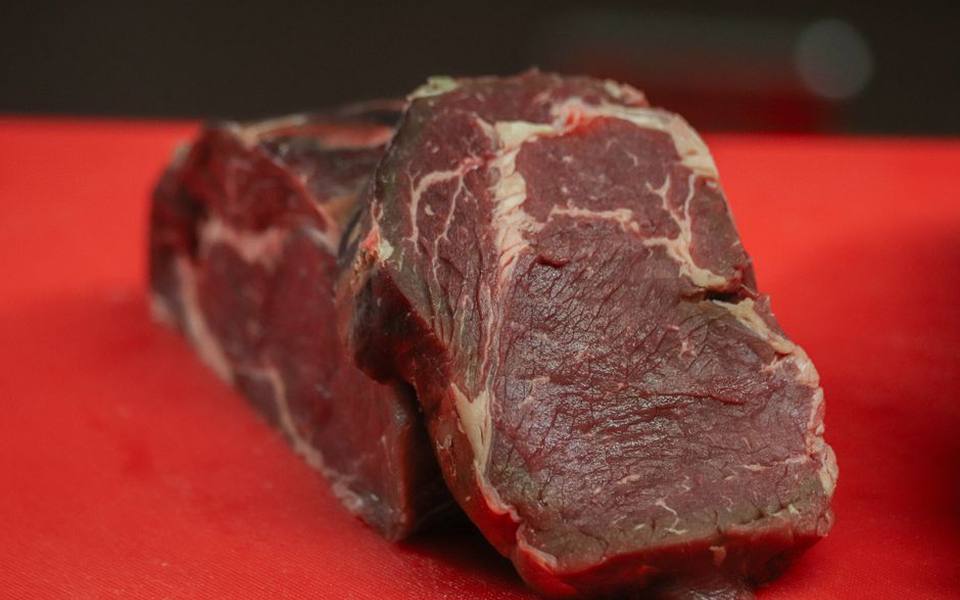
The beef rib primal sits between the chuck shoulder and the short loin, spanning ribs six through twelve along the upper backbone of the steer. Because these muscles do not bear significant weight or perform continuous heavy work, they remain far more tender than adjacent cuts from the front quarters. When shoppers search for the central eye of the rib or beef rib eye portions, they are looking at the longissimus dorsi muscle, which forms the primary core of meat running the length of the primal.
Surrounding that central eye is the spinalis dorsi, commonly called the ribeye cap. This outer crescent contains loose, heavily marbled muscle fibers separated from the main eye by a seam of soft, rendering fat. The cap is widely considered by butchers to be the most flavorful and tender piece of beef on the entire animal. A third muscle, the complexus, occasionally appears on steaks cut closer to the chuck end, adding variation depending on where the cut originated.
Understanding this layout explains why two steaks labeled under similar names can look remarkably different in the case. Steaks cut near the front, adjacent to the sixth rib, carry larger caps and slightly more connective tissue. Steaks cut toward the twelfth rib, bordering the short loin, feature a much larger, uniform center muscle with a tapering cap. Neither is inferior, but their cooking characteristics and textures differ across the primal.
Boneless Ribeye and Boneless Rib Steak Variations
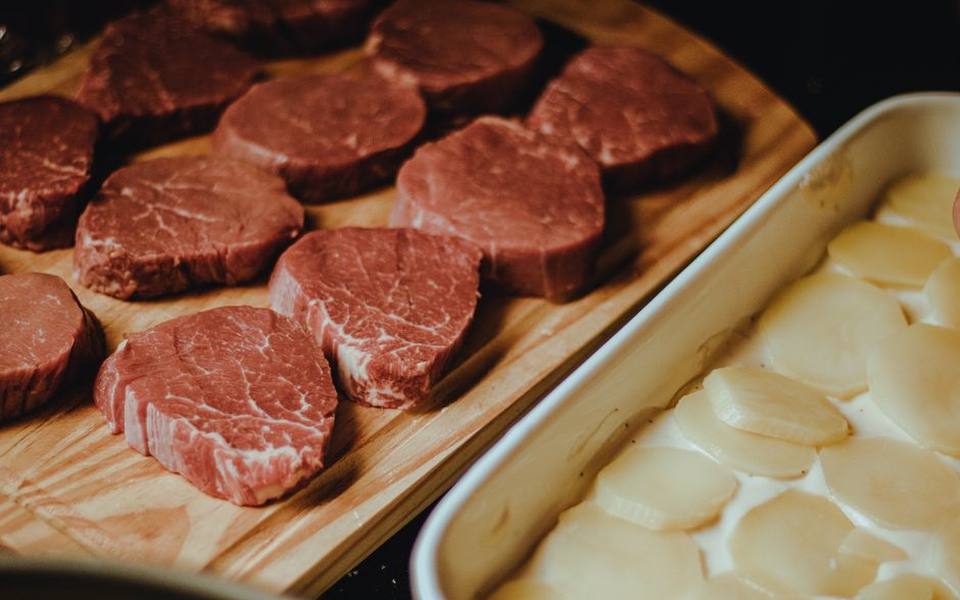
A boneless ribeye, often sold simply as a boneless rib steak in neighborhood meat counters, is created by rolling the primal off the curved rib bones and trimming the outer lip. Removing the bone allows the butcher to produce uniform, compact steaks that cook evenly across flat cast iron or grill grates. Without the bone acting as an anchor, heat penetrates the meat from all exposed surfaces simultaneously, reducing the overall cooking time compared to bone-in alternatives.
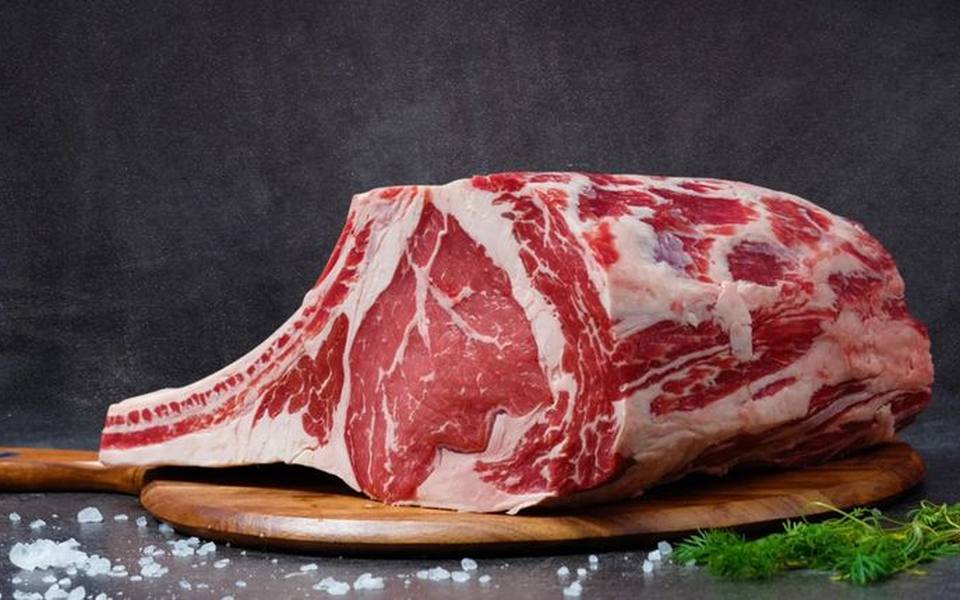
When purchasing boneless cuts, pay attention to how closely the meat has been trimmed. Traditional retail specifications leave a quarter-inch fat cap along the outer rim, which bastes the meat as it melts. However, excessive internal fat pockets around the kern—the hard deposit where the cap meets the eye—should be moderated. A skilled butcher will clean these seams without separating the spinalis from the central muscle.
Boneless steaks offer total yield efficiency because every ounce paid for ends up on the plate. For quick weeknight dinners or portion-controlled pan searing, boneless rib cuts provide reliable consistency. Slicing across the grain before serving is straightforward, making them a practical staple across supermarket counters and traditional local butcher shops nationwide.
The Cowboy Steak and Frenching Technique
The cowboy rib eye steak is a thick, bone-in cut where the rib bone remains attached but has been neatly trimmed down to roughly two to four inches. Butchers refer to this trimming process as frenching, which involves stripping away the meat, intercostal tissue, and periosteum membrane from the exposed bone tip. This creates a clean white handle while leaving the thick muscle mass fully attached to the base of the rib.
Cowboy steaks are almost universally cut between one and a half to two and a half inches thick. Because the butcher must follow the natural spacing of the rib cage, cutting a bone-in rib steak thinner than the bone itself is impossible without using a band saw across bone fragments. The resulting thickness makes the cowboy steak well-suited for two-zone indirect grilling or oven-roasting methods.
Cooking a cowboy steak requires accounting for the thermal mass of the bone. Bone conducts heat more slowly than muscle tissue, meaning the meat directly adjacent to the bone cooks at a slightly lower rate than the outer edges. This temperature gradient leaves a juicy, tender band near the rib, prized by steak enthusiasts who appreciate nuanced textures in a single cut.
The Appeal and Reality of the Beef Tomahawk
The beef tomahawk is functionally the same cut as a cowboy steak, but the butcher leaves the entire rib bone intact, often extending eight to twelve inches beyond the meat. This gives the cut its axe-like silhouette, turning the steak into a visual centerpiece. Frenching a full-length bone takes extra labor, as the intercostal meat between the ribs must be carefully carved away to expose clean bone.
From a culinary standpoint, the extended bone does not transfer flavor into the interior meat during cooking. Marrow remains sealed inside the hard cortical bone and cannot migrate into the muscle tissue during dry-heat methods like grilling. The choice to purchase a tomahawk rests primarily on presentation and table drama rather than any chemical flavor enhancement.
Shoppers should understand the financial trade-off when buying a rib eye tomahawk steak. Steaks are sold by total weight, meaning several ounces—sometimes upwards of a half-pound or more—of the final price pays for bare bone that will be discarded. When cooking for a special gathering where presentation matters, the tomahawk excels, but for pure meat yield, shorter bone-in or boneless cuts provide better utility.
The Chuck Eye as a Value Alternative
Directly adjacent to the rib primal lies the beef chuck primal, and right at the boundary sits the chuck eye steak. Taken specifically from the fifth rib of the steer, the chuck eye shares the exact same muscle group—the longissimus dorsi and spinalis dorsi—as the prime ribeye cut from the sixth rib. Because an arbitrary line separates the two primals in carcass fabrication, this cut is often called the chuck rib eye or the poor man's ribeye.
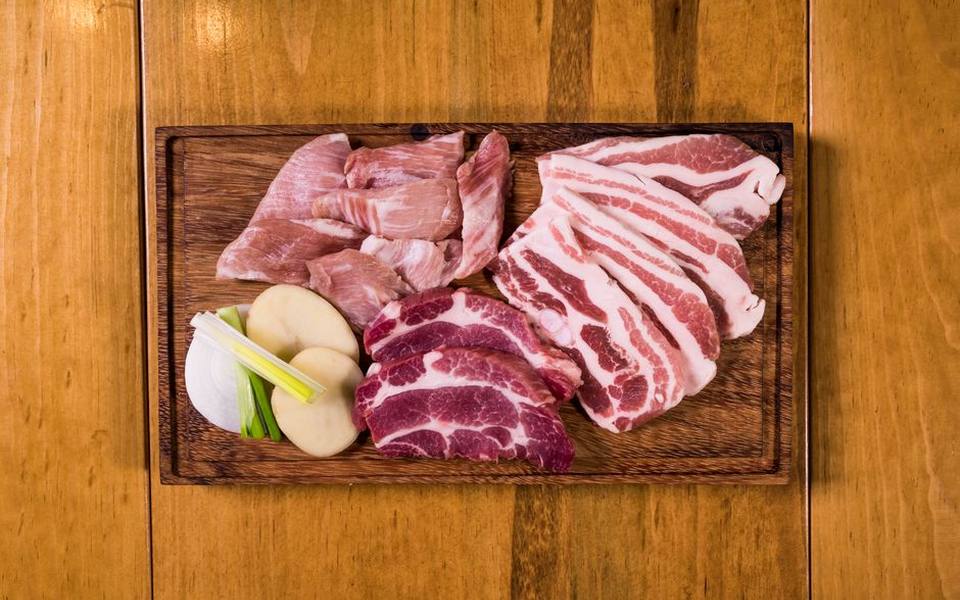
Only two chuck eye steaks can be harvested from each side of beef, making them somewhat scarce in regular grocery displays. These steaks carry nearly the same tenderness and deep, beefy marbling as a standard rib steak, but they typically retail at a substantial discount compared to cuts from the center rib rack. When cut at a reasonable thickness, they can be prepared identically to premium middle meats.
The primary caveat with the beef chuck eye is location accuracy. Steaks cut beyond the fifth rib deeper into the shoulder contain more connective tissue and require braising rather than quick grilling. Verifying with your butcher that the steak comes strictly from the fifth rib guarantees you get the tenderness of the rib primal at a chuck-section price point.
Navigating USDA Choice Ribeye and Grading Standards
Beef grading overseen by the USDA assesses the degree of intramuscular marbling within the ribeye muscle between the twelfth and thirteenth ribs. A USDA Choice ribeye represents the middle tier of high-grade American beef, falling between Select and Prime. Choice cuts display moderate to modest marbling flakes evenly distributed across the red muscle, providing balanced moisture and tenderness without excessive outer fat.
For daily cooking, a well-marbled Choice ribeye frequently rivals lower-tier Prime cuts in eating quality, particularly when sourced from the upper third of the Choice category. Because the rib primal naturally contains abundant fat compared to leaner rounds or sirloins, Choice-grade rib meat remains forgiving on the grill even if internal temperatures overshoot slightly past medium-rare.
Evaluating a steak involves checking both fat distribution and color. Look for fine, spiderweb-like flecks of creamy white intramuscular fat rather than thick, dense seams of hard white gristle. Firm, cherry-red lean meat with fine marbling will render during cooking, producing a juicy steak with a clean mouthfeel that does not leave a waxy residue on the palate.
Dry Aging and Flavor Development in Rib Cuts
Dry aging transforms rib cuts by allowing naturally occurring enzymes to break down tough muscle fibers and collagen over several weeks in a climate-controlled room. As moisture evaporates, the beef loses roughly ten to twenty percent of its water weight, concentrating natural flavors into deep, nutty, and savory notes reminiscent of aged cheese or earthy mushrooms.
The rib primal is the most popular candidate for this process because its thick exterior fat cap protects the inner meat from spoiling while aging. Butchers trim away the hardened, dehydrated outer crust before slicing the primal into steaks, which adds to the overall production cost. Exploring butcher shops with dry-aged beef allows home cooks to experience steaks with tender fibers that yield effortlessly under a knife.
When cooking dry-aged rib cuts, adjustments to heat and timing are necessary. Because dry-aged beef contains significantly less water than standard wet-aged cuts, it cooks roughly twenty to thirty percent faster and browns much more rapidly in a skillet. Keeping a close watch on internal temperature prevents overcooking this specialized cut.
Ordering Custom Cuts at the Butcher Counter
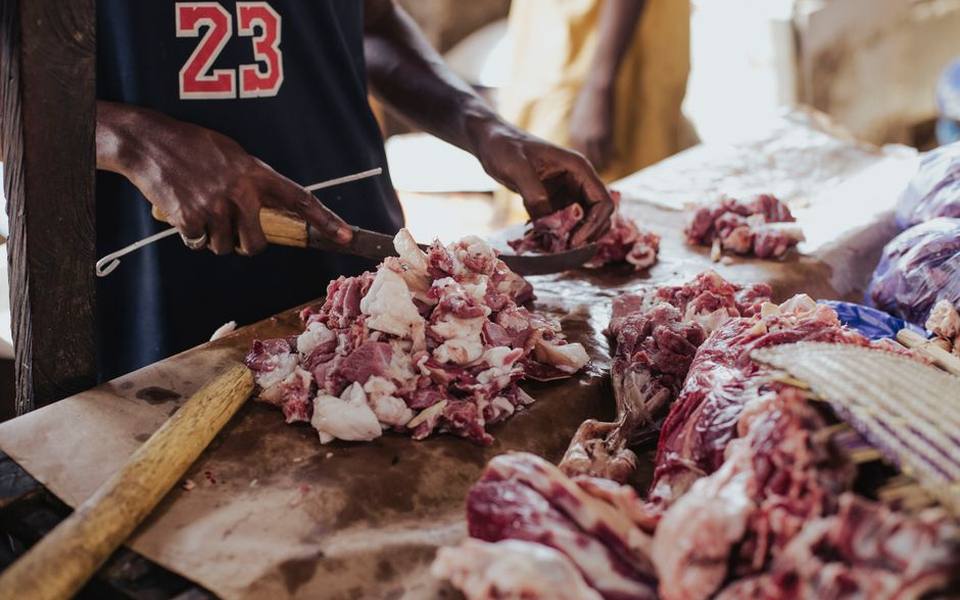
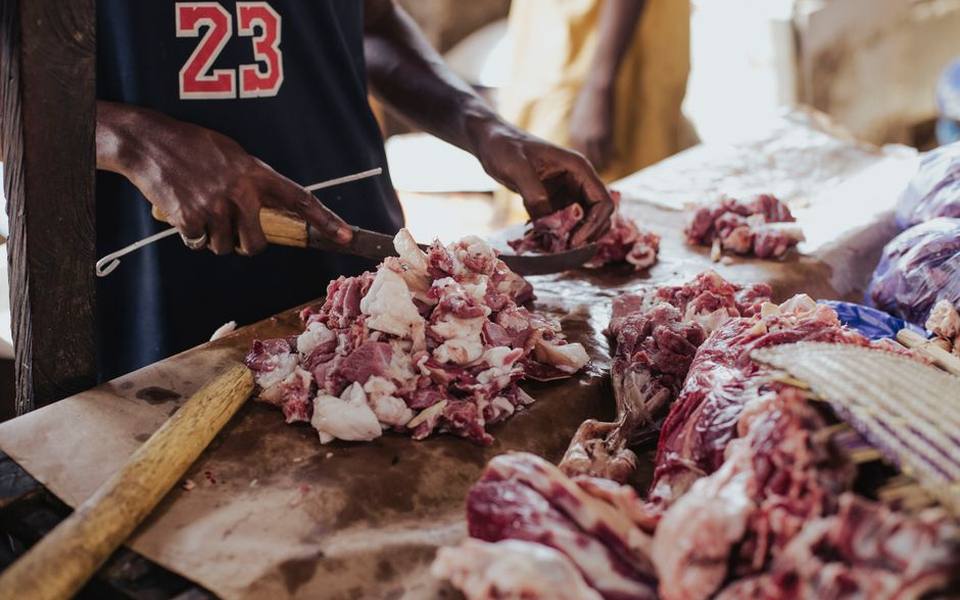
Purchasing beef from full-service meat purveyors offers distinct advantages over selecting pre-packaged styrofoam trays. Independent shops frequently accommodate thickness requests, bone-trimming preferences, and tying requirements. Engaging with staff at custom-cut butcher shops lets you specify exact portion sizes tailored to your cooking vessel, whether you need a three-inch roast or thin strips for hot-pot preparations.
Butchers can also separate the ribeye cap from the center eye upon request, creating rolled cap steaks tied with butcher's twine alongside standalone center-cut loins. This separation allows you to cook each muscle according to its unique grain structure and fat composition rather than compromising on a single temperature for both.
Regional sourcing also plays a role in what appears in the display case. In high-volume cattle regions, such as customers browsing butcher shops in Texas, you are likely to find heavier bone-in presentations and thick-cut cowboy options suited for wood-fired pits. Establishing a rapport with your butcher ensures you receive cuts trimmed to your exact specifications.
Pan Searing and Grilling Strategies for Rib Cuts
Because of their high fat content, rib cuts demand careful thermal control to render interior marbling without scorching the exterior. For thick-cut cowboy steaks and tomahawks measuring over an inch and a half, the reverse sear method produces consistent edge-to-edge doneness. This technique involves slowly warming the meat in an indirect oven or low-temperature smoker until the internal temperature reaches roughly one hundred fifteen degrees Fahrenheit, followed by a hard sear in cast iron.
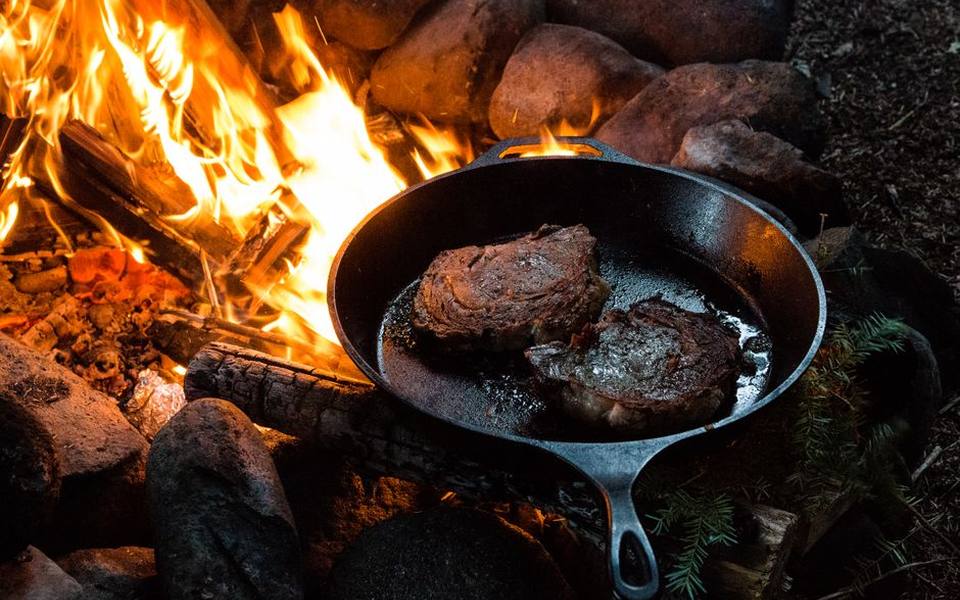
Thinner boneless steaks benefit from direct pan searing in a preheated, heavy skillet. High surface heat forms a deep Maillard crust, while spooning foaming butter, garlic cloves, and fresh thyme over the top helps baste the meat and cook the spinalis cap evenly. Managing flare-ups is critical when working over open charcoal grates, as dripping beef tallow ignites easily and can impart bitter soot if left unmanaged.
Resting the cooked steak on a warm cutting board for five to ten minutes is vital for moisture retention. During resting, muscle fibers relax, allowing internal juices that were forced toward the center during cooking to redistribute evenly throughout the cut. Cutting into a ribeye too early results in liquid pooling on the cutting board rather than staying within the meat.
Making the Right Choice for Your Table
Choosing between a boneless ribeye, a cowboy steak, a tomahawk, or a chuck eye comes down to budget, presentation goals, and cooking equipment. If your priority is maximum meat value with zero prep complications, boneless cuts provide total convenience and reliable results across standard kitchen stovetops and everyday cookware.
When entertaining guests or planning an outdoor feast around a smoker or kettle grill, a cowboy or tomahawk steak creates an impressive visual impact that anchors the meal. The presence of the bone slows the cooking process around the rib, yielding tender, rich pockets of meat that many steak lovers prefer to gnaw straight from the bone.
For shoppers seeking rich ribeye flavor on an everyday grocery budget, the fifth-rib chuck eye remains one of the best kept secrets in the butcher case. By understanding how these four cuts originate along the spine of the steer, you can confidently select the cut that delivers the right balance of tenderness, presentation, and price.
Published 2026-09-20 · reviewed with each rebuild, last September 2026.
Find butcher shops near you
The directory lists 13,556 butcher shops by state and city — pick your state or use the “Near me” button in the header.
More guides
-
 Buying
Flank Steak vs. Skirt Steak: The Complete Flat Cut Guide
-
 Storage
Storing Fresh Meat and Deli Cuts: Refrigerator and Freezer Timelines
-
 Money
MoneyUnderstanding Beef Prices: Retail Costs, Hanging Weight, and Bulk Buying
-
 Buying
Ribeye vs. New York Strip: Flavor, Marbling, and Texture Compared
-
 Storage
Freezer and Fridge Meat Storage Guide: Shelf Life, Freezing, and Safety
-
 Buying
Ribeye vs. New York Strip: Cut Comparison, Flavor, and Texture
-
 Buying
A Complete Guide to Roasting Prime Rib and Navigating the Butcher Counter
-
 Money
MoneyUnderstanding Beef Costs: From Everyday Retail Cuts to Bulk Whole Cattle Purchases
-
 Owning
Essential Butcher Tools: Meat Thermometer Buying Guide and Knife Sharpening
-
 Buying
Complete Guide to Beef Tenderloin and Filet Mignon
-
 Buying
Bistro Steaks: How to Choose, Prep, and Grill Flank, Flat Iron, Hanger, and Bavette
-
 Buying
Beef Short Ribs, Plate Ribs, and Flanken Cut Guide
-
 Buying
A Guide to Cornish Game Hens, Guinea Fowl, and Specialty Poultry
-
 Buying
Chorizo, Andouille, and Specialty Artisan Sausages: A Practical Guide to World Styles
-
 Buying
Butcher's Guide to Pork Shoulder, Boston Butt, and Country-Style Ribs
-
 Buying
A Guide to Offal, Beef Tallow, Bone Marrow, and Specialty Cuts
-
 Buying
A Butcher's Guide to Deli Meats, Cured Cuts, and Charcuterie Selection
-
 Owning
Butcher Tools Guide: Thermometers, Knife Sharpening, and Essential Supplies
-
 Buying
Corned Beef Brisket: Cut Selection, Home Curing, and Cooking Guide
-
 Buying
Beef Short Ribs and Korean Kalbi Buying and Cooking Guide
-
 Buying
Grass-Fed Beef, Pasture-Raised Meat, and Clean Meat Sticks: A Buyer's Guide
-
 Buying
Pork Spare Ribs, St. Louis, and Country-Style Ribs Guide
-
 Storage
The Practical Guide to Dry Aging Beef at Home and Choosing Equipment
-
 Owning
Butcher's Guide to Rich Chicken Broths and Regional Homemade Soups
-
 Buying
Bacon-Wrapped Jalapeño Poppers: A Complete Butcher's Guide
-
 Buying
A Butcher's Guide to Pork Sirloin Roasts, Stuffed Chops, and Crown Cuts