The Craft and Variety of World Artisan Sausages
Walking into a specialty meat counter often presents a dizzying array of twisted links, hanging salamis, and seasoned bulk grinds. While standard grocery store breakfast links and Italian sweet sausages have their place, the broader world of artisan sausage making offers vastly richer traditions shaped by climate, preservation needs, and local spices. Every culture that historically raised livestock developed distinct methods to utilize trimmings, offal, and fat, yielding iconic styles from Latin America to Western Europe.
At its core, all sausage begins with an intentional ratio of lean meat to fat, typically hovering around seventy to eighty percent lean and twenty to thirty percent fat. From that fundamental base, regional recipes branch into two distinct paths: fresh sausages that require thorough cooking before consumption, and cured or smoked links that undergo preservation through fermentation, wood smoke, or air drying. Understanding where a particular variety falls along this spectrum determines how you shop for it, store it, and cook it in your kitchen.
Whether you are sourcing ingredients for a regional stew or picking up supplies to grind meat at home, knowing the heritage and construction of these links transforms how you cook. Many traditional butcher shops still make these varieties from scratch, grinding whole muscle cuts rather than industrial scraps. Exploring these distinct varieties allows you to bring bold, authentic flavors to weeknight meals and slow-cooked weekend feasts alike.
Mexican Chorizo versus Spanish Chorizo
The single most common point of confusion at the butcher counter involves chorizo, because two entirely different culinary products share the exact same name. Mexican chorizo is an intensely seasoned fresh sausage, typically made from ground pork, cider vinegar, and a blend of dried red chiles such as ancho, pasilla, and guajillo. Because it is completely raw and moist, it is generally removed from its casing and crumbled into a hot skillet, where the fat renders out to fry the meat and create a rich, brick-red base for eggs, refried beans, and queso fundido.
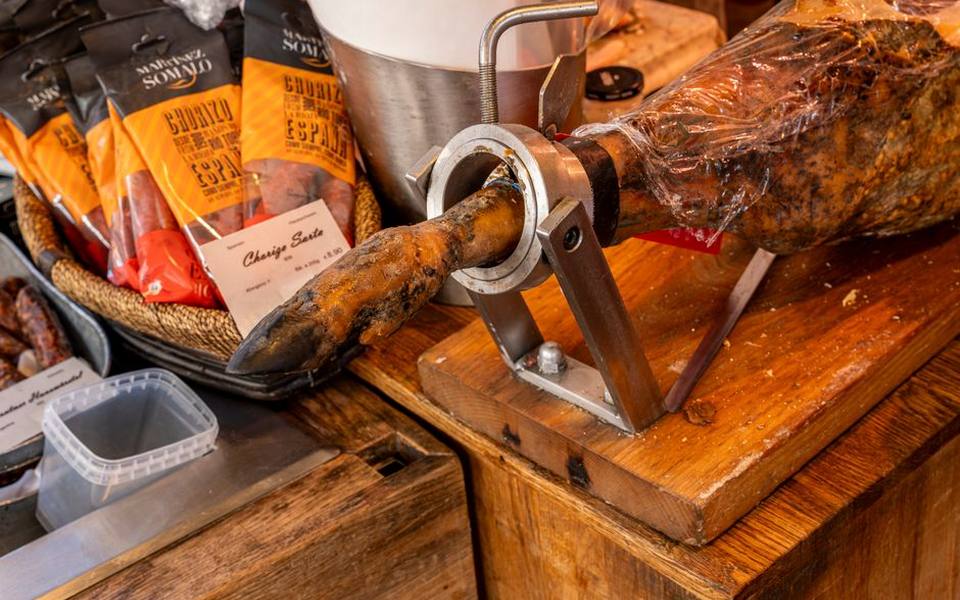
Spanish chorizo, by contrast, hails from the Iberian Peninsula and is fundamentally a cured, firm sausage. While it also showcases pork and a vivid red hue, its signature flavor comes entirely from smoked Spanish paprika, known as pimentón, combined with garlic, salt, and white wine. Spanish makers ferment and air-cure these links for weeks or months, creating a shelf-stable product that can be thinly sliced and eaten raw on charcuterie boards, or diced and sautéed to release aromatic oil into soups, paellas, and braised legumes.
Selecting the wrong style will completely alter a recipe. If a stew calls for firm, diced Spanish chorizo and you add Mexican chorizo instead, the link will melt into a loose paste rather than maintaining distinct, chewy bites. Conversely, substituting Spanish chorizo into a breakfast scramble will not provide the saucy, chili-infused fat that binds Mexican breakfast dishes together. Many butcher shops in California and across the Southwest craft authentic Mexican chorizo in-house while stocking imported or traditionally cured Spanish varieties in their cured meats case.
Deciphering Andouille and Its Regional Offshoots
Cajun andouille stands as the backbone of Louisiana cooking, renowned for its heavy smoke and bold, coarse texture. You may often see regional phonetic spellings or local colloquialisms like endue sausage, aundie sausage, andewy sausage, or andou sausage in casual recipes and rural menus. Regardless of how a local cook writes it down, authentic Cajun andouille is made from coarse-diced pork butt rather than fine ground meat, seasoned generously with garlic, black pepper, cayenne, and thyme, and subjected to prolonged hardwood smoking over pecan or oak.
This American classic actually traces its roots back to France, but the French version—andouillette—is an entirely different beast that surprises many unsuspecting diners. French andouillette sausages are made predominantly from the chitterlings and stomach lining of pork or veal, rolled in concentric layers into a natural casing and poached in stock or wine. French andouillette carries a strong, pungent farmyard aroma and an earthy, chewy texture that appeals to traditionalists but can startle anyone expecting the clean, smoky punch of a Louisiana gumbo link.
When purchasing andouille for jambalaya, gumbo, or a backyard boil, always confirm with the shop counter that you are receiving a double-smoked, garlic-forward link. Genuine Louisiana-style andouille is firm enough to withstand hours of gentle simmering in a rich roux without disintegrating or losing its structural integrity. If you want true country style, look for shops that grind their pork through wide-diameter plates so each slice reveals identifiable chunks of meat rather than a smooth, emulsion-style hot dog texture.
Regional Spanish Traditions: Andalusian Sausage and Beyond
Beyond standard Spanish chorizo, regional cured and fresh links across Spain offer distinct spice profiles that vary by province. In the southern region of Andalusia, traditional sausage making balances Mediterranean herbs with North African spices left behind by centuries of Moorish history. An Andalusian sausage style might lean on ground cumin, oregano, clove, and sweet pimentón, providing a warmer, earthier aromatic profile than the sharp, piquant links found in northern mountain climates like Asturias or Galicia.
Southern Spanish butchers also produce fresh frying varieties, frequently called longaniza, alongside firm cured salchichón seasoned primarily with whole black peppercorns, nutmeg, and sea salt. These links reflect agricultural practices where Iberian pigs graze on oak acorns in open pasture, yielding rich, intensely marbled meat that cures beautifully in clean, dry mountain breezes. Because the fat content carries so much natural sweetness, the spicing in regional Andalusian links tends to complement rather than overpower the pork.
Finding true regional Spanish links often means visiting specialized charcuterie producers or European deli counters that import authentic cured products. When you encounter them, they are best enjoyed simply, sliced paper-thin at room temperature so the pork fat softens on the tongue. In warm preparations, dicing them gently into braised chickpeas or simmering them with dry sherry showcases the intricate balance between sweet pork and warming spices.
Portuguese Linguiça and Chouriço Traditions
Portuguese linguiça is a seasoned, mildly smoked pork sausage that holds a prominent place in coastal communities across the United States, from Massachusetts and Rhode Island to Hawaii and Central California. Linguiça features finely chopped pork butt marinated in a rich bath of garlic, vinegar or red wine, paprika, and cumin before being stuffed into slender hog casings and gently smoked. The resulting link offers a delightful snap, a tangy bite from the wine marinade, and a milder heat level than its Cajun or Mexican cousins.
A close sibling to linguiça in Portuguese butcher traditions is chouriço, which features a coarser grind, a heavier dose of fiery red pepper, and a thicker link profile. Both styles are exceptionally versatile in the kitchen, serving as the savory foundation for traditional kale-and-potato soup (caldo verde), clambakes, and breakfast hashes. The acidity in the wine marinade cuts through the rich pork fat, keeping the sausage from feeling greasy on the palate.
When you shop for linguiça, you will generally find it fully cooked and lightly smoked, making it safe to eat cold, though it shines brightest when seared in a skillet or split and grilled over hot coals. The garlic and paprika surface quickly as the skin blisters, leaving you with a crunchy, flavorful crust that pairs effortlessly with eggs, crusty bread, or slow-cooked beans.
Morcilla and the Rich World of Blood Sausages
Blood sausage morcilla occupies a venerable position across Spanish, Latin American, and Caribbean cooking, representing one of the oldest and most resourceful traditions in butchery. Morcilla utilizes fresh pig blood, pork fat, salt, and spices, bound together with a cooked starch that absorbs moisture and provides delicate body. In Spain, the two most renowned styles are Morcilla de Burgos, which incorporates short-grain rice and onions, and Morcilla de Cebolla, which relies exclusively on slow-caramelized onions and spices like cloves and anise.
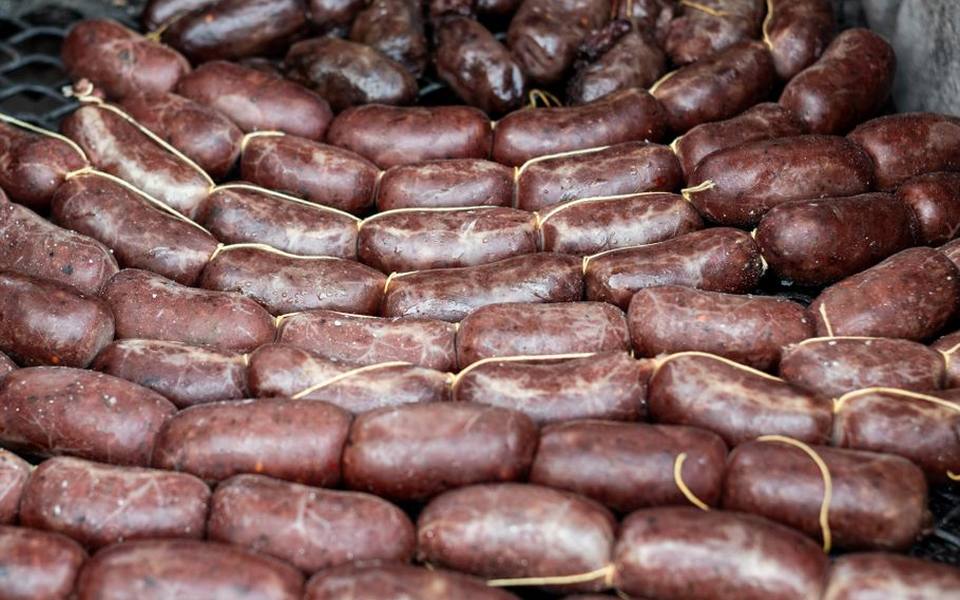
The flavor profile of well-crafted morcilla is surprisingly gentle, savory, and rich, far removed from the metallic sharpness that uninitiated diners might imagine. The blood provides a velvety, custard-like texture when heated, while spices and aromatics supply warmth and depth. In South American asados, morcilla is an indispensable component of the mixed grill, typically served as the first course alongside sweetbreads and chorizo while guests wait for larger prime steaks to finish roasting.
Cooking morcilla requires a gentle touch because the delicate filling will burst through its casing if exposed to aggressive, high heat. Savvy cooks typically slice the links into thick rounds, dust them lightly with flour to create a protective barrier, and pan-fry them in hot oil until a crisp crust forms on both sides while the interior remains creamy. It can also be added whole toward the very end of rustic bean stews like Spanish fabada, where it warms through without breaking apart.
Understanding Natural and Specialty Sausage Casings
For home sausage makers and curious consumers alike, the casing is just as critical to the final experience as the meat blend inside. Natural casings, derived from the submucosa layer of animal intestines, remain the gold standard for artisan links due to their elasticity, moisture permeability, and distinctive snap when bitten. Natural hog casings are the industry workhorse, measuring roughly thirty-two to thirty-eight millimeters in diameter, which makes them ideal for bratwurst, sweet Italian, linguiça, and fresh Mexican chorizo.
When crafting wider sausages like Cajun andouille, summer sausages, or large salamis, butchers turn to specialty casings such as beef middles, beef rounds, or hog bungs. Beef bungs and middles can span fifty to over one hundred millimeters in diameter, providing the thick, durable walls necessary to hang large weights in smokehouses for extended cycles. Conversely, delicate, thin breakfast links and sheep-cased snack sticks utilize narrow sheep casings, which measure sixteen to twenty-four millimeters and offer the tenderest bite possible.
Artificial options, including edible collagen casings manufactured from animal hides and inedible cellulose or fibrous casings, offer precise uniformity and easier handling for beginners. However, collagen lacks the dynamic curved contour and rustic charm of natural intestines, and fibrous casings must always be peeled before eating. For traditionalists, taking the time to flush, soak, and thread natural hog or beef casings yields superior smoke penetration and a distinctly professional mouthfeel.
Always soak salted natural casings in warm, clean water for at least thirty minutes to remove brine before stuffing.
Working with Custom Butchers for Specialty Grinds
If you enjoy crafting custom recipes or want a signature blend for family gatherings, partnering with a shop that provides custom-cut butcher services is the best approach. A knowledgeable butcher can select specific primal cuts, such as pork shoulder or belly, to hit your precise fat-to-lean specifications. They can also run your trim through coarse chili plates or fine emulsion plates depending on whether you are aiming for a rustic country andouille or a delicate frankfurter.
For hunters returning from autumn trips, combining wild game with quality pork fat is the secret to avoiding dry, tough links. Many establishments that handle deer and game processing maintain dedicated sausage kitchens capable of transforming lean venison, elk, or feral hog into smoked andouille, jalapeño cheddar links, or dried sticks. Because game meat is exceptionally lean, your processor will typically blend in twenty to thirty percent fresh pork trim to ensure proper binding and moisture retention.
Do not hesitate to discuss seasonings with your local butcher. Many independent shops are happy to omit added sodium, adjust cayenne levels, or grind whole whole toasted spices into your batch. Establishing a relationship with a local cutter allows you to request unseasoned, coarsely ground pork butt so you can handle the curing, spicing, and stuffing at home according to historic regional methods.
Cooking, Storage, and Safe Handling Practices
Because artisan sausages encompass raw, smoked, and dry-cured categories, safety rules vary dramatically depending on the link. Fresh raw varieties, including Mexican chorizo, fresh breakfast links, and unsmoked bratwurst, must be kept refrigerated and cooked to an internal temperature of one hundred sixty degrees Fahrenheit for pork or one hundred sixty-five degrees for poultry. Dry-cured Spanish chorizo and hard salamis, by comparison, have lost substantial water weight and undergone acidification, allowing them to remain safe at cool room temperatures or inside a pantry.
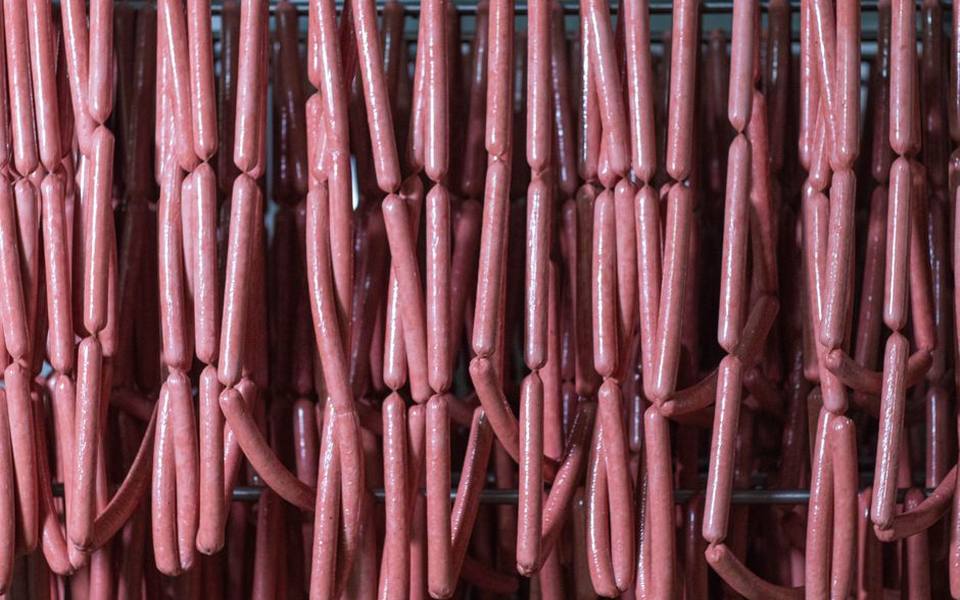
When cooking fresh sausages in casings, avoid piercing the skin with a fork while grilling or pan-frying. Puncturing the casing allows rendered fat and seasoned juices to escape into the coals or pan, causing flare-ups and leaving the interior dry and crumbly. Instead, cook links over moderate, indirect heat, turning them gently with tongs until the interior is fully set, then sear briefly over direct heat to crisp the exterior.
Fresh sausages typically keep well in the refrigerator for two to three days after purchase before they should be cooked or transferred to the freezer. When freezing, vacuum sealing prevents freezer burn and keeps delicate spices like paprika and black pepper from oxidizing over long storage periods. Cured links, once opened from their protective packaging, should be wrapped in breathable butcher paper rather than plastic wrap to prevent moisture condensation that fosters surface spoilage mold.
Finding Sourced Artisan Sausages Across the United States
Finding true regional charcuterie often requires looking past large supermarket conglomerates and exploring neighborhood independent shops. You will frequently find master sausage makers nestled in German, Polish, Italian, and Hispanic neighborhoods, carrying on recipes perfected over generations. In states with deep barbecue and livestock traditions, such as butcher shops in Texas, you can find phenomenal pit-smoked beef links, jalapeño andouille, and authentic Mexican longaniza side by side in the display case.
In Upper Midwestern regions with extensive European heritage, including butcher shops in Wisconsin, meat counters routinely feature dozens of scratch-made smoked links, fresh summer sausages, and old-world mettwurst. These shops possess the commercial smokehouses and climate-controlled curing rooms required to achieve authentic fermented tang and clean wood-smoke finishes that cannot be replicated with artificial liquid seasonings.
Whether you are sourcing authentic morcilla for a weekend gathering or looking for heavy-smoked andouille for a winter stew, checking in with local cutters is worth the detour. Ask the staff which links are made on-site, what wood species they burn in their smokehouse, and whether casings are natural or synthetic. A great butcher shop will always take pride in explaining the heritage and ingredients behind every link hanging in the case.
Published 2026-09-20 · reviewed with each rebuild, last September 2026.
Find butcher shops near you
The directory lists 13,556 butcher shops by state and city — pick your state or use the “Near me” button in the header.
More guides
-
 Buying
Flank Steak vs. Skirt Steak: The Complete Flat Cut Guide
-
 Storage
Storing Fresh Meat and Deli Cuts: Refrigerator and Freezer Timelines
-
 Money
MoneyUnderstanding Beef Prices: Retail Costs, Hanging Weight, and Bulk Buying
-
 Buying
Ribeye vs. New York Strip: Flavor, Marbling, and Texture Compared
-
 Storage
Freezer and Fridge Meat Storage Guide: Shelf Life, Freezing, and Safety
-
 Buying
Ribeye vs. New York Strip: Cut Comparison, Flavor, and Texture
-
 Buying
A Complete Guide to Roasting Prime Rib and Navigating the Butcher Counter
-
 Money
MoneyUnderstanding Beef Costs: From Everyday Retail Cuts to Bulk Whole Cattle Purchases
-
 Owning
Essential Butcher Tools: Meat Thermometer Buying Guide and Knife Sharpening
-
 Buying
Complete Guide to Beef Tenderloin and Filet Mignon
-
 Buying
Bistro Steaks: How to Choose, Prep, and Grill Flank, Flat Iron, Hanger, and Bavette
-
 Buying
Beef Short Ribs, Plate Ribs, and Flanken Cut Guide
-
 Buying
A Guide to Cornish Game Hens, Guinea Fowl, and Specialty Poultry
-
 Buying
Butcher's Guide to Pork Shoulder, Boston Butt, and Country-Style Ribs
-
 Buying
Butcher's Guide to Ribeye, Tomahawk, Cowboy, and Chuck Eye Steaks
-
 Buying
A Guide to Offal, Beef Tallow, Bone Marrow, and Specialty Cuts
-
 Buying
A Butcher's Guide to Deli Meats, Cured Cuts, and Charcuterie Selection
-
 Owning
Butcher Tools Guide: Thermometers, Knife Sharpening, and Essential Supplies
-
 Buying
Corned Beef Brisket: Cut Selection, Home Curing, and Cooking Guide
-
 Buying
Beef Short Ribs and Korean Kalbi Buying and Cooking Guide
-
 Buying
Grass-Fed Beef, Pasture-Raised Meat, and Clean Meat Sticks: A Buyer's Guide
-
 Buying
Pork Spare Ribs, St. Louis, and Country-Style Ribs Guide
-
 Storage
The Practical Guide to Dry Aging Beef at Home and Choosing Equipment
-
 Owning
Butcher's Guide to Rich Chicken Broths and Regional Homemade Soups
-
 Buying
Bacon-Wrapped Jalapeño Poppers: A Complete Butcher's Guide
-
 Buying
A Butcher's Guide to Pork Sirloin Roasts, Stuffed Chops, and Crown Cuts