What Shapes Beef Prices Right Now
National averages for retail beef typically fluctuate between $5.00 per pound for standard ground beef blends up to $20.00 to $35.00 per pound for high-end steakhouse cuts. When determining how much is beef per pound at any given moment, market watchers look at cattle herd sizes, processing labor expenses, pasture forage availability, and feed grain costs. A contraction in national cattle inventory reliably pushes retail price tags higher across grocery aisles and craft counters alike.
Regional supply chains also create noticeable pricing spreads from coast to coast. Sourcing beef in agricultural corridors with a high density of processing infrastructure, such as butcher shops in Texas, often yields different pricing dynamics than buying in dense metropolitan coastal markets where cross-country transport, cold storage warehousing, and retail real estate costs inevitably inflate the final sticker price.
USDA quality grading serves as another primary driver of retail disparity. Prime beef represents only a small single-digit percentage of all graded cattle in the United States and commands a substantial thirty to fifty percent markup over Choice. Understanding that Select, Choice, and Prime represent distinctly different marbling standards helps shoppers evaluate whether a price tag accurately matches the eating experience on their plate.
The Everyday Baseline: Ground Beef Costs
When shoppers check local grocery flyers or look into ground beef prices near me, they usually encounter a noticeable price spread based strictly on lean-to-fat ratios. Standard 73/27 ground beef blends typically sit between $4.50 and $6.00 per pound at conventional grocers, while 80/20 ground chuck ranges between $5.50 and $8.00 per pound. Leaner varieties like 90/10 ground sirloin often push beyond $8.50 per pound due to the higher volume of trimmed muscle tissue required.
The fat ratio directly affects both raw value and final cooking yields. High-fat grinds carry a lower shelf price per pound, but substantial volume renders out in the skillet during cooking. An 80/20 chuck blend offers an ideal balance of fat for moisture and beefy flavor while retaining most of its raw volume, making it the most cost-effective choice for burgers, meatballs, and pan searing.
Craft butcher shops frequently grind whole muscle trimmings from single animals daily rather than receiving pre-packaged industrial coarse grind tubes. While local butcher grind might cost a dollar or two more per pound than commodity supermarket packages, the absence of added water, enhanced traceability, and superior texture make it a noticeable upgrade in home cooking.
Premium Tenderloin: What You Pay for Filet Mignon
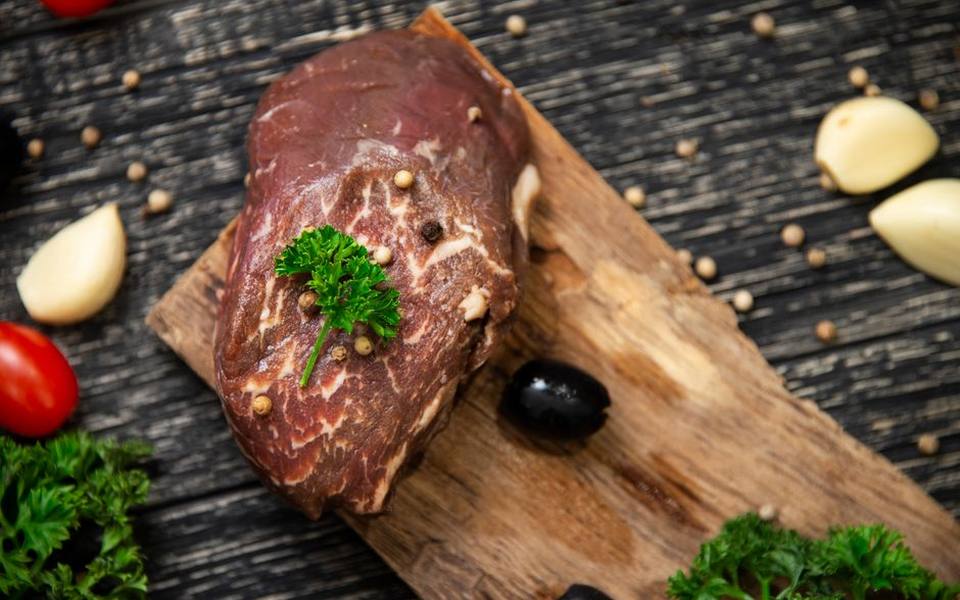
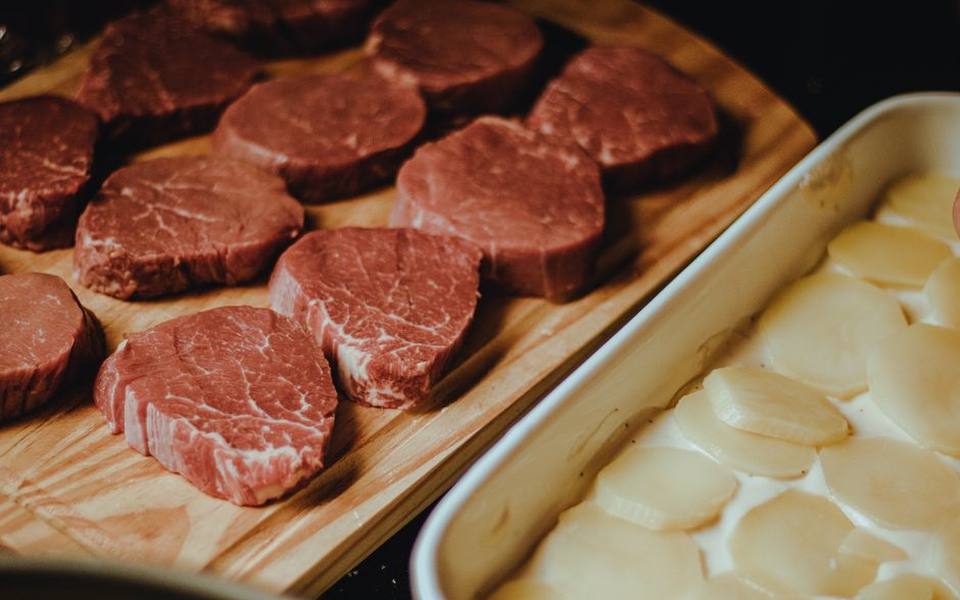
The filet mignon price per pound routinely sits at the top of the price board, typically ranging between $25.00 and $45.00 per pound for standard Choice or Prime cuts. Because the tenderloin subprimal accounts for barely two to three percent of an entire beef carcass, extreme scarcity combined with steady restaurant and consumer demand keeps the baseline filet mignon cost consistently elevated.
Shoppers looking to trim costs can purchase whole, unpeeled tenderloins—frequently labeled in the trade as PSMO (peeled, silver skin side on). While the upfront per-pound rate on a whole tenderloin is often thirty percent cheaper than pre-cut steaks, home cooks must trim away the side chain, heavy fat cap, and silver skin, which results in a net trim loss of roughly twenty to thirty percent.
Specialty aging methods raise these prices even further. Visiting butcher shops with dry-aged beef introduces tenderloins that have rested in temperature- and humidity-controlled lockers for weeks. This controlled moisture loss concentrates natural flavors but reduces final product weight, pushing the price of artisan-aged tenderloin steaks toward the upper end of retail pricing.
Holiday Centerpieces: Pricing Prime Rib Roasts
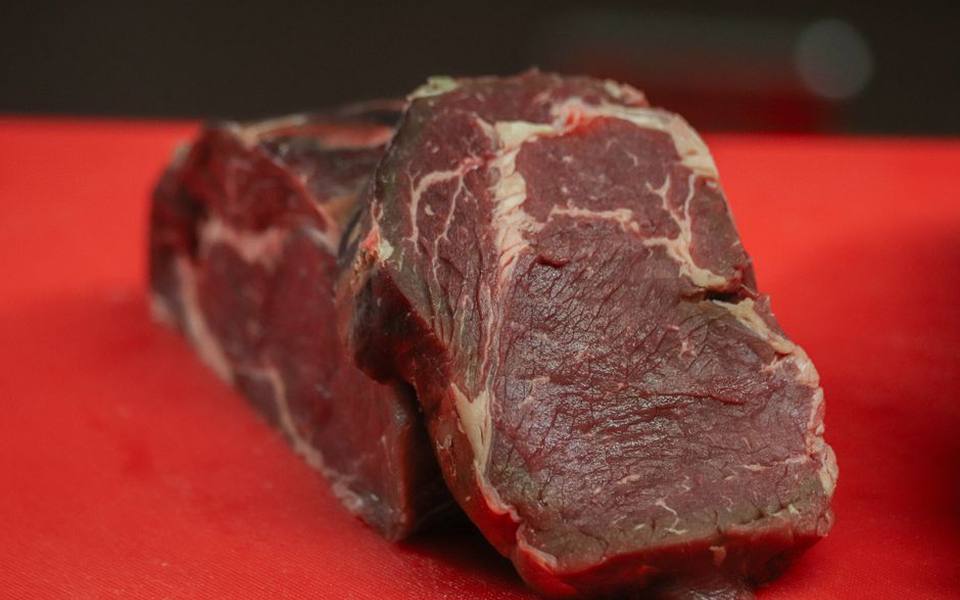
Calculating a realistic prime rib roast cost depends primarily on whether you select a bone-in standing rib roast or a boneless ribeye roast, alongside the official USDA grade. Retail prices typically run from $16.00 to $28.00 per pound for Choice grade, meaning an average four-bone roast meant to feed eight to ten dinner guests often tallies anywhere from $130.00 to over $220.00 at the cash register.
Bone-in cuts generally cost less per pound than their boneless counterparts, but the rib bones account for a measurable portion of non-edible weight. As a practical budgeting guideline, meat cutters recommend planning for roughly one pound of bone-in roast per adult diner, or roughly three-quarters of a pound per person when cooking a fully trimmed, boneless rib roast.
Seasonal pricing trends affect rib cuts more heavily than almost any other beef section. Demand surges between Thanksgiving and New Year's Eve, causing retail prices to peak during late autumn. Shopping for rib roasts in late winter or early spring often reveals promotional clearance sales and significantly more manageable prices across display cases.
Butcher Cuts: Rising Prices for Skirt and Flank Steak
Thin, fibrous cuts that once served as cheap household staples have climbed steadily in value due to restaurant popularity and backyard grilling trends. Skirt steak prices currently range between $12.00 and $18.00 per pound at most retail counters. Outside skirts, known for exceptional tenderness and rich marbling, carry a notable premium over wider, tougher inside skirts commonly sold in bulk packaging.
Flank steak prices reflect a comparable market shift, routinely settling between $10.00 and $16.00 per pound. While flank steak prices per pound were historically comparable to budget braising meats, home cooks now value flank for its uniform thickness, lean profile, and suitability for quick marinades, elevating its status to that of premium grilling fare.
Trimming standards dramatically affect what you actually take home in these cuts. Supermarket cuts are frequently pre-trimmed of surface fat and silver skin, which increases the sticker price but eliminates waste. Buying untrimmed skirts or flanks at wholesale counters saves money per pound, provided you have a sharp boning knife and a few minutes to prep the meat before marinating.
Slow-Cooking Staples: Beef Short Ribs and Brisket
Shoppers are often surprised to find that the beef short ribs cost can rival mid-tier steaks. Traditional bone-in English short ribs and Korean-style flanken ribs generally retail between $8.00 and $14.00 per pound, while boneless chuck short ribs frequently climb between $11.00 and $16.00 per pound depending on fat marbling and regional demand.
Plate short ribs—the prized three-bone sections used in classic wood-fired barbecue—contain dense layers of muscle that require hours to break down into gelatin. Because thick ribs contain heavy rib bones and a generous fat cap, you are paying for structural weight that renders away during low-and-slow cooking, making the effective cost per cooked serving higher than it appears.
For cost-conscious home cooks preparing rich winter stews, chuck eye roasts or cross-cut beef shanks offer an economical alternative. A well-marbled chuck roast cut into large cubes delivers the same unctuous, collagen-rich texture as braised short ribs when cooked slowly in liquid, usually at a savings of several dollars per pound.
Whole Animal Economics: Live Weight Versus Hanging Weight
Buying meat in volume requires navigating unfamiliar terminology: live weight, hanging weight, and take-home yield. When a live steer weighing roughly 1,200 pounds is harvested, internal organs, hide, blood, and head are removed. The remaining carcass on the hook is the hanging weight, which typically amounts to roughly 60 to 64 percent of the animal's live weight.
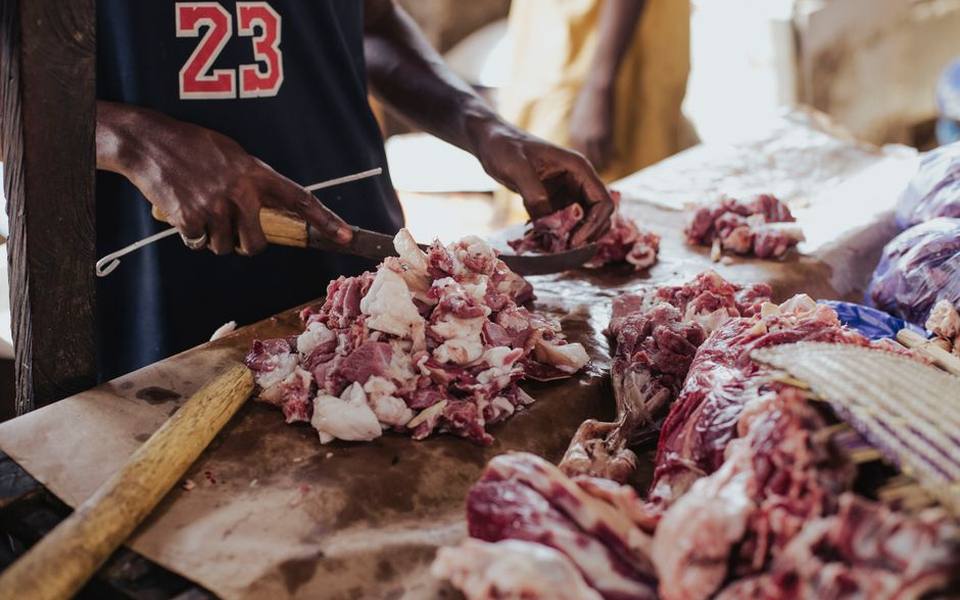
Hanging weight serves as the standard billing metric for custom butcher transactions, but it does not represent the final meat in your freezer. As the carcass hangs in cold storage to age, moisture evaporates, and the butcher subsequently removes excess tallow, cartilage, and heavy skeletal bones. Final packaged meat yield usually settles around 60 to 70 percent of that hanging weight.
When purchasing custom shares through custom-cut butcher shops, slaughter fees and processing charges are often invoiced separately from the farm's hanging weight rate. Typical cut-and-wrap fees range from $0.90 to $1.50 per pound of hanging weight, with additional charges applied for specialty services like vacuum sealing or custom sausage production.
Bulk Purchasing: Evaluating the Cost of a Quarter Cow
For households with dedicated cold storage, investing in a beef share is one of the most reliable ways to control grocery expenses. The total quarter cow cost typically ranges from $900 to $1,500, depending on regional cattle markets, carcass weight, and processing options. This purchase usually delivers roughly 100 to 140 pounds of vacuum-sealed, portioned beef.
The primary financial benefit of a split half or quarter cow is securing a blended average price across all cuts. Customers pay the same flat per-pound rate—often landing around $8.50 to $11.00 per packaged pound all-in—for ribeyes, tenderloins, and flank steaks as they do for ground beef, stew meat, and chuck roasts.
Freezer logistics require careful planning before placing an order deposit. A quarter beef package requires approximately four to five cubic feet of freezer capacity. Standard kitchen refrigerator freezers lack the volume to store a bulk quarter alongside regular family groceries, making a standalone chest or upright freezer necessary.
Where You Buy: Supermarkets, Local Butchers, and Specialty Sources
Supermarket meat departments handle high-volume boxed beef delivered from massive centralized packing plants. This industrial scale keeps prices low on basic cuts, but meat is often pre-portioned offsite and packaged under modified atmosphere packaging to extend display shelf life, offering limited customization or cut advice for shoppers.
Independent butcher shops maintain direct relationships with regional distributors or local farms, prioritizing whole-carcass utilization, careful seam butchery, and personalized service. Sourcing meat through certified halal butchers guarantees adherence to traditional religious processing standards, strict cleanliness, and ethical harvest protocols, priced competitively with independent craft retailers.
Establishing a rapport with your local butcher counter opens doors to budget-friendly cut substitutions. While supermarket cases feature only standard retail primals, an experienced meat cutter can slice Denver steaks, chuck flaps, or teres major medallions that cook like tender steaks at a fraction of the price of strip loins or tenderloins.
Practical Strategies for Managing Your Beef Budget
Managing household meat spending starts with counter flexibility rather than shopping with a rigid recipe in mind. Inquiring about daily cutting-block specials, short-dated manager markdowns, or overstocked cuts allows you to capitalize on genuine discounts without sacrificing meat quality or tenderness.
Buying subprimal cuts in whole bags and breaking them down at home yields immediate savings. A whole strip loin, whole pork belly, or top sirloin cap can easily be sliced into thick steaks and vacuum sealed for the freezer, frequently cutting fifteen to twenty-five percent off the individual retail steak price per pound.
Connecting directly with processing lockers via regional directories of butcher shops in all states allows families to purchase seasonal freezer bundles. These bundled packs combine popular ground blends, braising cuts, and steaks at wholesale volume discounts that keep household meal planning predictable throughout the year.
Published 2026-09-20 · reviewed with each rebuild, last September 2026.
Find butcher shops near you
The directory lists 13,556 butcher shops by state and city — pick your state or use the “Near me” button in the header.
More guides
-
 Buying
Flank Steak vs. Skirt Steak: The Complete Flat Cut Guide
-
 Storage
Storing Fresh Meat and Deli Cuts: Refrigerator and Freezer Timelines
-
 Buying
Ribeye vs. New York Strip: Flavor, Marbling, and Texture Compared
-
 Storage
Freezer and Fridge Meat Storage Guide: Shelf Life, Freezing, and Safety
-
 Buying
Ribeye vs. New York Strip: Cut Comparison, Flavor, and Texture
-
 Buying
A Complete Guide to Roasting Prime Rib and Navigating the Butcher Counter
-
 Money
MoneyUnderstanding Beef Costs: From Everyday Retail Cuts to Bulk Whole Cattle Purchases
-
 Owning
Essential Butcher Tools: Meat Thermometer Buying Guide and Knife Sharpening
-
 Buying
Complete Guide to Beef Tenderloin and Filet Mignon
-
 Buying
Bistro Steaks: How to Choose, Prep, and Grill Flank, Flat Iron, Hanger, and Bavette
-
 Buying
Beef Short Ribs, Plate Ribs, and Flanken Cut Guide
-
 Buying
A Guide to Cornish Game Hens, Guinea Fowl, and Specialty Poultry
-
 Buying
Chorizo, Andouille, and Specialty Artisan Sausages: A Practical Guide to World Styles
-
 Buying
Butcher's Guide to Pork Shoulder, Boston Butt, and Country-Style Ribs
-
 Buying
Butcher's Guide to Ribeye, Tomahawk, Cowboy, and Chuck Eye Steaks
-
 Buying
A Guide to Offal, Beef Tallow, Bone Marrow, and Specialty Cuts
-
 Buying
A Butcher's Guide to Deli Meats, Cured Cuts, and Charcuterie Selection
-
 Owning
Butcher Tools Guide: Thermometers, Knife Sharpening, and Essential Supplies
-
 Buying
Corned Beef Brisket: Cut Selection, Home Curing, and Cooking Guide
-
 Buying
Beef Short Ribs and Korean Kalbi Buying and Cooking Guide
-
 Buying
Grass-Fed Beef, Pasture-Raised Meat, and Clean Meat Sticks: A Buyer's Guide
-
 Buying
Pork Spare Ribs, St. Louis, and Country-Style Ribs Guide
-
 Storage
The Practical Guide to Dry Aging Beef at Home and Choosing Equipment
-
 Owning
Butcher's Guide to Rich Chicken Broths and Regional Homemade Soups
-
 Buying
Bacon-Wrapped Jalapeño Poppers: A Complete Butcher's Guide
-
 Buying
A Butcher's Guide to Pork Sirloin Roasts, Stuffed Chops, and Crown Cuts