The Counter Dilemma: Understanding the Primal Cuts
Choosing between a ribeye and a New York strip is the most common decision steak lovers face at the butcher counter. While both steaks come from the tender, lightly worked muscle group along the steer's upper back, they deliver fundamentally different eating experiences. The ribeye is cut from the rib primal, specifically between the sixth and twelfth ribs, where intramuscular fat collects generously. The New York strip originates just behind the rib cage from the short loin primal, running along the top of the loin muscle.
Because these two cuts sit next to each other on the animal, they share a baseline tenderness that separates them from hard-working cuts like chuck or round. However, the rib section carries more internal fat and contains multiple distinct muscles held together by connective tissue. The short loin consists almost entirely of a single, uniform muscle known as the longissimus dorsi. This anatomical variance explains why the two steaks look, cook, and taste distinct from one another.
When you visit dedicated custom-cut butcher shops, you can see this progression clearly across the carcass. A whole rib section gradually transitions into the strip loin as the rib bones taper off. The choice between them comes down to whether you prioritize rich, melting fat that bastes the meat during cooking, or a firm, clean, deeply savory beef flavor that highlights the muscle itself.
Fat Distribution, Marbling, and Flavor Profiles
The flavor difference between ribeye and strip steak is largely determined by fat distribution. A ribeye features a prominent central kernel of fat surrounded by two main muscles: the eye of the rib and the spinalis dorsi, commonly called the ribeye cap. The cap is widely considered the most flavorful, tender piece of beef on the entire animal. As heat renders this internal marbling, the steak essentially self-bastes, creating a buttery, rich mouthfeel and an unmistakable aroma.
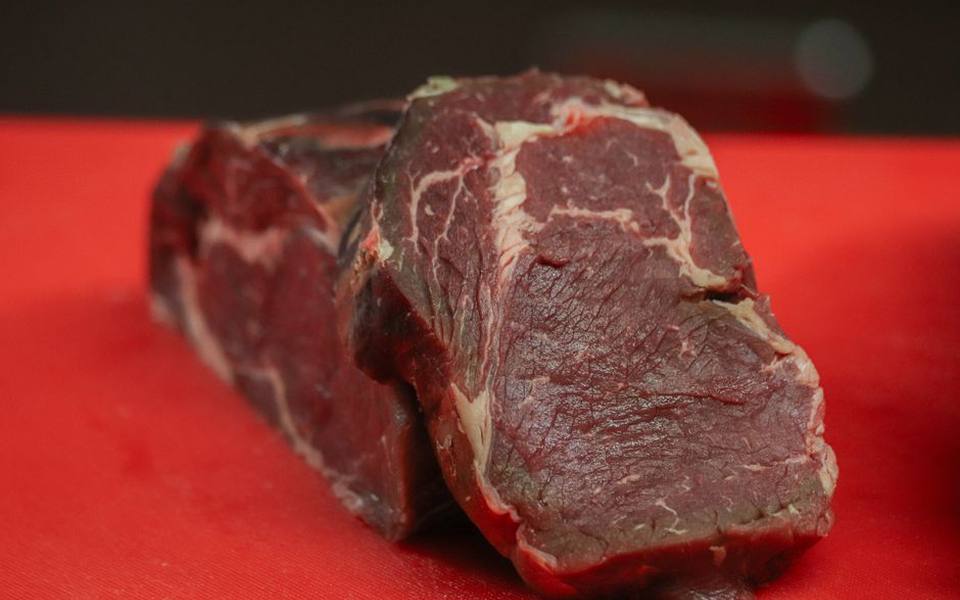
In contrast, the New York strip features a tighter, more uniform distribution of fine marbling throughout the interior, accompanied by a thick strip of external fat running along one edge. The beef flavor of a strip steak is often described as more concentrated and robustly bovine. Rather than flooding your palate with melted rendered fat, the strip delivers a clean, focused taste that steak purists often favor for its classic profile.
Your personal preference for fat will dictate your favorite between the two. Diners who dislike chewing around pockets of intermuscular fat often prefer the strip because its external fat cap can be easily trimmed or left on the plate after imparting flavor during cooking. Those who view rich, caramelized ribbons of fat as the highlight of steak night will almost certainly gravitate toward the ribeye.
Texture and Chew: Melting Softness Versus Beefy Resistance
Texture is where the comparison between ribeye and New York strip becomes unmistakable on the fork. Because the ribeye contains heavy marbling and the ultra-tender spinalis muscle, it yields easily to each bite. The center eye muscle has a loose, open grain that gives way with minimal jaw effort. This tenderness is accentuated when cooked to medium-rare, allowing the rendered fat to soften the connective tissues between muscle fibers.
A New York strip offers what butchers refer to as a satisfying chew. The muscle fibers are tighter and denser than those of the ribeye, yielding a steak that holds its shape cleanly under the knife. It is not tough by any measure, but it does require more chewing, which releases deep, savory juices across the palate with every bite. The texture appeals to those who want substance and structure from their cut.
If you encounter steaks that have spent time hanging in temperature-controlled lockers, texture changes dramatically. Sourcing your meat from butcher shops with dry-aged beef provides an enzyme-softened strip that rivals the tenderness of a fresh ribeye while maintaining its signature dense structure and concentrated umami character.
Bone-In Versus Boneless Options
A frequent question at the counter is whether ribeye has a bone. The answer is that ribeye is sold in both boneless and bone-in configurations. Boneless ribeyes are trimmed completely off the rib feather bones, making them easier to carve and portion. Bone-in ribeyes, often labeled as cowboy steaks or tomahawks depending on how the bone is frenched and trimmed, retain the rib bone along the edge.
The New York strip also has bone-in variations, sometimes sold under the regional name of Kansas City strip or simply bone-in strip loin. When left attached to the tenderloin on the other side of a T-shaped vertebra, the strip forms the larger portion of a T-bone or porterhouse steak. Boneless strip steaks remain the everyday standard at retail counters because they cook flat and evenly across a hot pan.
While bones do not actively transfer marrow flavor into the center of the meat during a brief sear, they do serve a practical purpose. Bone conducts heat more slowly than meat, insulating the strip of muscle directly adjacent to it. This leaves a tender, slightly rarer crescent of meat right against the bone that many backyard cooks consider the sweetest bite of the steak.
Evaluating USDA Prime Grades for Both Cuts
Comparing a prime ribeye to a prime New York strip highlights the impact of the USDA grading system, which ranks carcasses primarily on maturity and intramuscular marbling. A ribeye that achieves the Prime tier is an intensely marbled, decadent cut of meat. Because the ribeye naturally holds substantial fat, a Prime rating pushes it into exceptionally rich territory that can feel almost overwhelming to finish in a single large portion.
On the other hand, the New York strip benefits remarkably well from the Prime designation. Because standard Choice strips can occasionally lean toward being slightly lean and firm, upgrading to Prime injects the necessary flecks of internal fat directly into the tight grain. A Prime strip closes the tenderness gap with the ribeye while retaining the clean, robust beef flavor that defines the loin.
Many experienced butchers will suggest that if you are purchasing Choice grade beef, the ribeye is the safer bet due to its natural fat reserves. If you are investing in Prime grade or looking through specialty counters in cattle regions like butcher shops in Texas, a Prime New York strip offers one of the most balanced eating experiences in the entire beef spectrum.
Searing and Grilling Strategies for Ribeye and Strip
Cooking these two steaks requires slight adjustments to account for their differing fat profiles. Ribeyes are prone to intense flare-ups on charcoal or gas grills because the melting fat drips directly onto the heat source. For this reason, a two-zone grilling setup or a heavy cast-iron skillet is ideal for a ribeye. The cast-iron pan allows the steak to fry in its own rendered juices, creating a uniform, golden-brown crust without scorched flavors.
The New York strip is more forgiving over an open flame because its fat is concentrated along the outer edge. You can sear the flat surfaces over direct high heat with minimal flare-ups, then stand the steak upright with tongs to render and crisp the outer fat strip against the grate. Skillet cooking works equally well for strips, especially when you finish with butter, garlic, and fresh herbs spooned over the top.
For thick-cut portions measuring an inch and a half or more, the reverse-sear method excels for both cuts. Bringing the internal temperature up slowly in a low oven or on the indirect side of a grill ensures the center reaches your target temperature evenly. A final sixty-second sear in a smoking-hot pan creates a crisp crust without overcooking the outer ring of meat.
Temperature Management and Essential Thermometer Features
Getting the internal temperature right is the single most important factor in steak preparation. The poke test and visual guesswork are notoriously unreliable, especially between cuts with different muscle densities like ribeye and strip. An accurate instant-read meat thermometer designed for grilling gives you precise readings in two to three seconds, allowing you to pull your steak before carryover cooking pushes it past your target.
For indirect cooking methods, roasts, or thick reverse-seared steaks, a Bluetooth oven thermometer eliminates the need to open the oven door or grill lid. The best Bluetooth models feature durable, heat-resistant braided wire probes or completely wireless internal sensors that sync to an application on your phone. They track temperature curves in real time and send alerts when your meat is within five degrees of finishing.
When inserting any probe, always slide it horizontally from the side of the cut into the thickest geometric center of the meat, avoiding pockets of pure fat or direct contact with the bone. For ribeye, aim for the center of the large eye muscle. Taking the steak off the heat around 130 degrees Fahrenheit will yield a balanced medium-rare after a five-to-ten-minute rest.
A Counter Curveball: What Country-Style Ribs Actually Are
While browsing meat cases, shoppers often encounter country-style ribs and assume they cook just like back ribs or spare ribs. In reality, country-style ribs are not true ribs at all. They are typically cut from the blade end of the pork loin right where it meets the shoulder, or directly from the pork butt shoulder itself. This means they are comprised of hearty, working muscle layered with connective tissue and rich pockets of fat.
Because country-style ribs resemble thick pork chops or boneless meat strips rather than a traditional rib rack, they require completely different preparation. Cooking them quickly over high heat like a ribeye or strip steak results in tough, chewy meat. They demand moist heat, low temperatures, and patience to allow the collagen to break down into silky gelatin, regardless of whether you prepare them indoors or outside.
Understanding what cut your butcher used is crucial. Loin-cut country-style ribs are leaner and can dry out if overcooked, while shoulder-cut versions are fattier and handle longer braising times effortlessly. A quick conversation with the staff at local shops listed in our directory of local butcher shops can clarify which variety is in the tray so you can choose the right cooking strategy.
The Best Ways to Cook Country-Style Ribs in the Oven
The most reliable way to make country-style ribs tender and flavorful at home is baking them low and slow in the oven. Start by seasoning the meat generously with coarse salt, cracked pepper, garlic powder, and your favorite dry rub. Letting the seasoned ribs sit at room temperature for roughly thirty minutes helps the surface absorb the spices and promotes more even heat penetration once they enter the oven.
Place the ribs snugly in a heavy roasting pan or Dutch oven. Add half a cup of liquid, such as low-sodium chicken broth, apple cider, or beer, to the bottom of the pan to create a moist environment. Cover the vessel tightly with a double layer of aluminum foil or a heavy lid to trap steam, then bake at 300 degrees Fahrenheit. Over the course of two to two-and-a-half hours, the dense pork fibers will relax and soften.
During the final thirty minutes of cooking, remove the foil and brush the ribs liberally with barbecue sauce or a savory glaze. Increase the oven heat to 375 degrees Fahrenheit, or transfer the ribs under a broiler for several minutes, watching closely until the sauce bubbles and caramelizes into a glossy, sticky coating. The finished meat should pull apart effortlessly with a fork while holding its moisture.
Making Your Selection at the Butcher Counter
Deciding between ribeye and New York strip ultimately comes down to the style of meal you are planning and your personal palate. If you crave intense richness, melt-in-your-mouth fat, and do not mind managing flare-ups on the grill or in the pan, the ribeye is the gold standard. It remains the centerpiece choice for celebratory dinners where decadence is the primary goal.
If you want a steak with a bold, beef-forward character, uniform texture, and a firm, satisfying bite, the New York strip delivers dependable excellence. It pairs effortlessly with rich pan sauces, compound butters, and heavy sides because its natural fat level does not overwhelm the palate. It is also considerably easier to portion and carve cleanly for shared meals.
Whichever steak you choose, prioritize thickness over surface area. A two-inch-thick steak allows you to develop a deep, crackling outer crust while keeping the center tender and perfectly rare to medium-rare. Communicate with your butcher about how you plan to cook the meat, and they can cut your steaks to your exact specifications right from the primal loin.
Published 2026-09-20 · reviewed with each rebuild, last September 2026.
Find butcher shops near you
The directory lists 13,556 butcher shops by state and city — pick your state or use the “Near me” button in the header.
More guides
-
 Buying
Flank Steak vs. Skirt Steak: The Complete Flat Cut Guide
-
 Storage
Storing Fresh Meat and Deli Cuts: Refrigerator and Freezer Timelines
-
 Money
MoneyUnderstanding Beef Prices: Retail Costs, Hanging Weight, and Bulk Buying
-
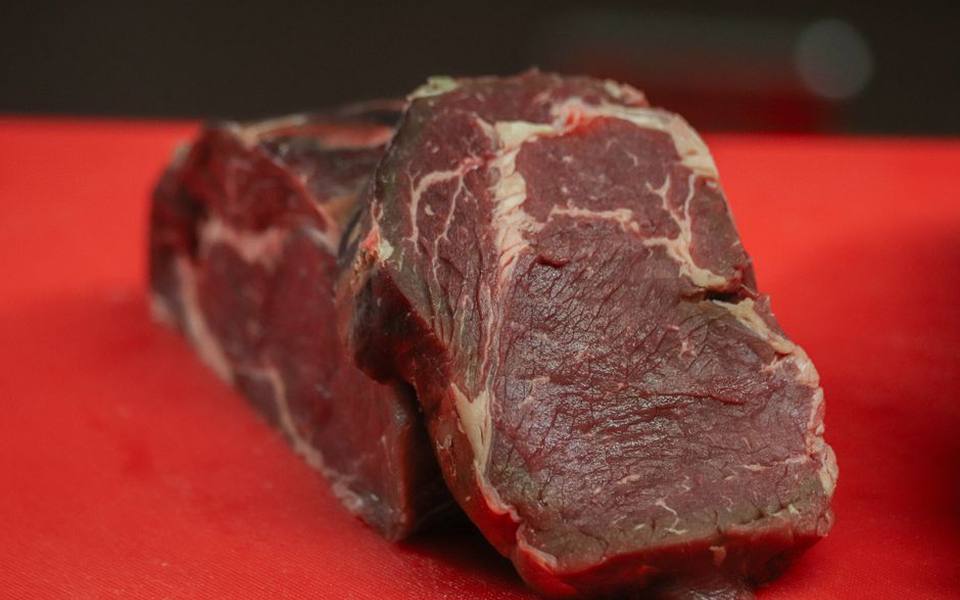 Buying
Ribeye vs. New York Strip: Flavor, Marbling, and Texture Compared
-
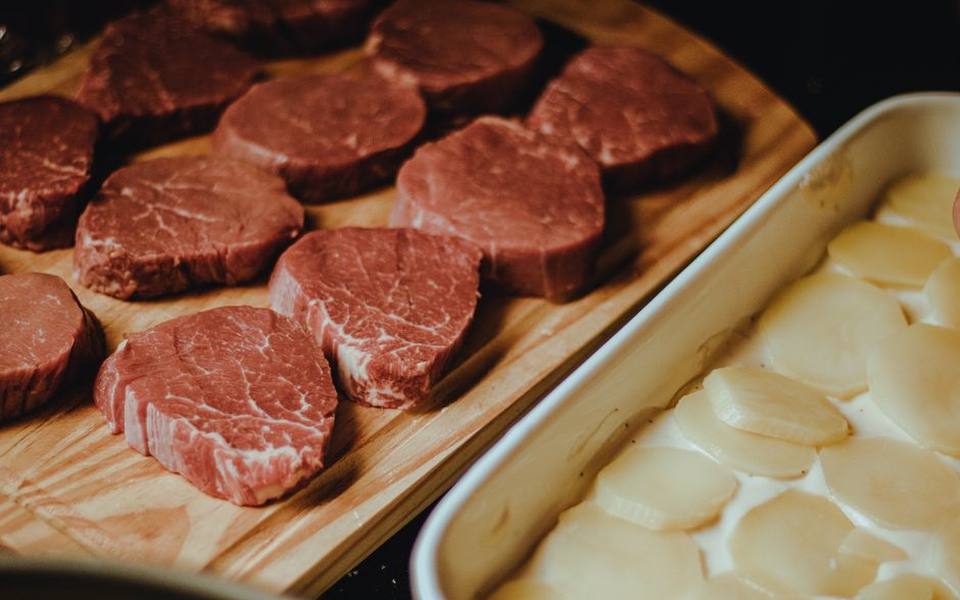 Storage
Freezer and Fridge Meat Storage Guide: Shelf Life, Freezing, and Safety
-
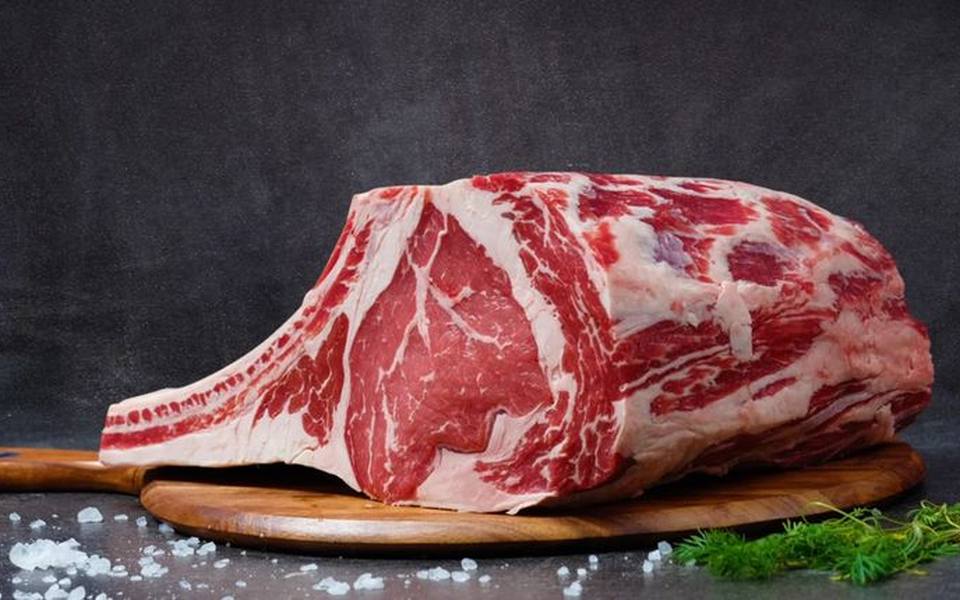 Buying
A Complete Guide to Roasting Prime Rib and Navigating the Butcher Counter
-
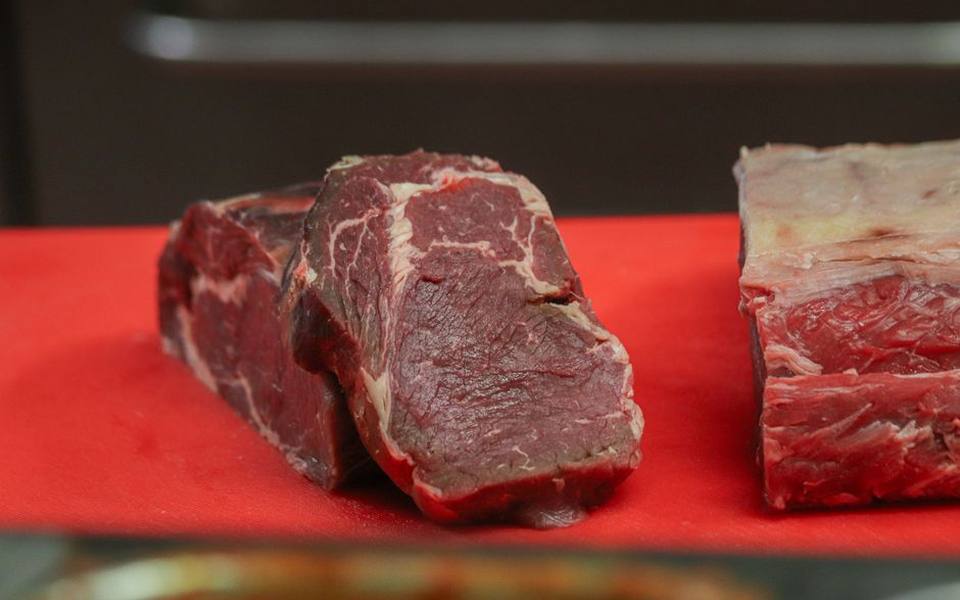 Money
MoneyUnderstanding Beef Costs: From Everyday Retail Cuts to Bulk Whole Cattle Purchases
-
 Owning
Essential Butcher Tools: Meat Thermometer Buying Guide and Knife Sharpening
-
 Buying
Complete Guide to Beef Tenderloin and Filet Mignon
-
 Buying
Bistro Steaks: How to Choose, Prep, and Grill Flank, Flat Iron, Hanger, and Bavette
-
 Buying
Beef Short Ribs, Plate Ribs, and Flanken Cut Guide
-
 Buying
A Guide to Cornish Game Hens, Guinea Fowl, and Specialty Poultry
-
 Buying
Chorizo, Andouille, and Specialty Artisan Sausages: A Practical Guide to World Styles
-
 Buying
Butcher's Guide to Pork Shoulder, Boston Butt, and Country-Style Ribs
-
 Buying
Butcher's Guide to Ribeye, Tomahawk, Cowboy, and Chuck Eye Steaks
-
 Buying
A Guide to Offal, Beef Tallow, Bone Marrow, and Specialty Cuts
-
 Buying
A Butcher's Guide to Deli Meats, Cured Cuts, and Charcuterie Selection
-
 Owning
Butcher Tools Guide: Thermometers, Knife Sharpening, and Essential Supplies
-
 Buying
Corned Beef Brisket: Cut Selection, Home Curing, and Cooking Guide
-
 Buying
Beef Short Ribs and Korean Kalbi Buying and Cooking Guide
-
 Buying
Grass-Fed Beef, Pasture-Raised Meat, and Clean Meat Sticks: A Buyer's Guide
-
 Buying
Pork Spare Ribs, St. Louis, and Country-Style Ribs Guide
-
 Storage
The Practical Guide to Dry Aging Beef at Home and Choosing Equipment
-
 Owning
Butcher's Guide to Rich Chicken Broths and Regional Homemade Soups
-
 Buying
Bacon-Wrapped Jalapeño Poppers: A Complete Butcher's Guide
-
 Buying
A Butcher's Guide to Pork Sirloin Roasts, Stuffed Chops, and Crown Cuts