What Corned Beef Really Is and How the Cut Matters
Corned beef is simply beef brisket that has undergone a long submersion in a seasoned salt brine. The term corned dates back centuries to the large rock-salt kernels, historically called corns, used to cure and preserve tough cuts of beef before refrigeration existed. The brisket itself comes from the heavily exercised breast area of the steer, meaning it is packed with tough connective tissue and thick bands of intramuscular collagen that require low, controlled heat to tenderize.
When purchasing raw beef for curing or buying pre-cured briskets, you will encounter the pectoral muscle divided into distinct portions. A full packer brisket weighs anywhere from twelve to sixteen pounds and includes both the leaner flat cut and the fattier point cut joined by a thick seam of deckle fat. Most retail counters separate these two muscles into manageable portions weighing three to five pounds each.
Choosing the right portion dictates how you will cook, slice, and serve the finished meat. The dense grain of the brisket flat produces neat, uniform sandwich slices, while the point cut delivers richer, shredded meat ideal for hash or open-face platters. Understanding the structural differences between these two muscles is the first critical step toward achieving tender meat rather than a dry, rubbery block.
Choosing Between Flat Cut and Point Cut at the Meat Counter
A flat cut corned beef offers a broad, rectangular shape with a consistent thickness from end to end, making it predictable to cook and easy to carve. This portion has a trimmed exterior fat cap on one side and very little interior fat marbling through the muscle fibers. Because of its lean profile, the flat cut dries out quickly if overcooked or exposed to rapid, boiling heat, so it demands steady moisture throughout the cooking process.
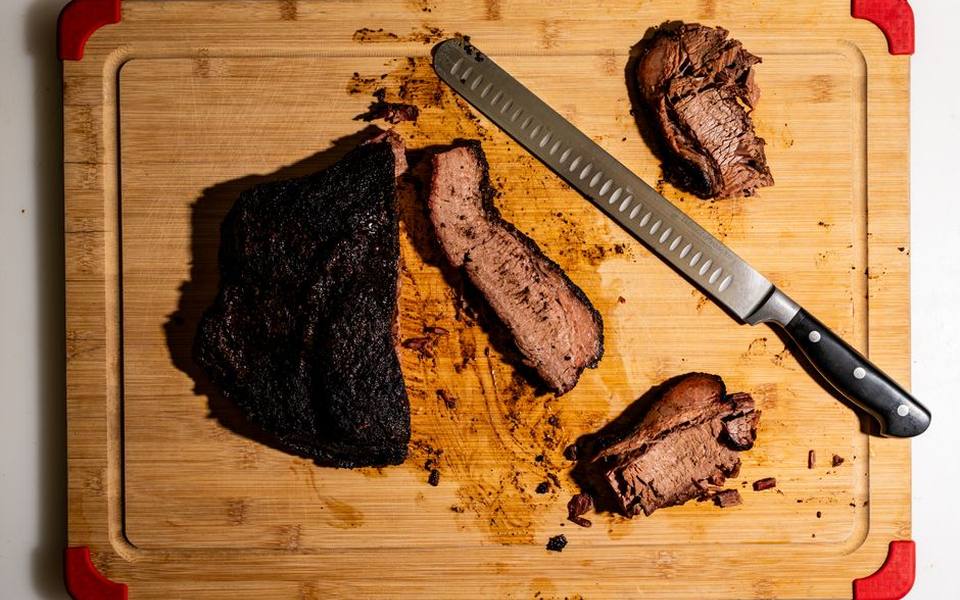
The point cut, sometimes labeled the deckle or breast piece, is thicker, triangular, and heavily marbled with rich fat. While it yields less uniform slices and loses significant volume as the fat renders out, the interior meat stays exceptionally succulent and forgiving under heat. Barbecue pitmasters and deli purists often prefer the point because the rendering fat keeps the muscle strands lubricated even during extended thermal holds.
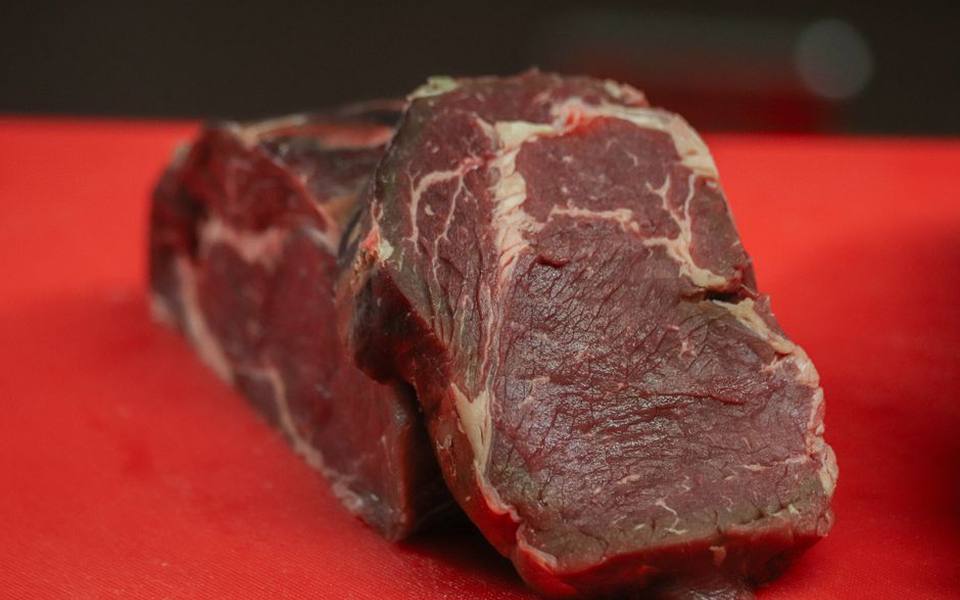
When shopping in butcher cases, look for a piece with a fat cap trimmed to roughly one-quarter inch thick. Excessive surface fat prevents brine penetration, while cutting the fat cap completely off leaves the muscle fibers vulnerable to drying out in the cooking vessel. If you prefer a custom thickness or want a whole packer brisket halved to your specifications, visiting custom-cut butcher shops ensures you get the exact proportion of flat to point for your meal.
Mastering the Home Curing Brine and Pink Salt Ratio
Curing your own brisket from scratch gives you complete control over salt intensity, aromatics, and texture without the chemical preservatives found in standard commercial packaging. A dependable wet brine starts with cold filtered water, coarse kosher salt, granulated sugar or brown sugar, and curing salt. Brown sugar introduces a mild molasses profile that offsets the mineral bite of the salt, while white sugar provides a cleaner, sharper cure.
Curing salt number one, commonly referred to as Prague powder number one or pink salt, consists of ninety-three point seven five percent common salt and six point two five percent sodium nitrite. This additive is dyed light pink purely to prevent kitchen confusion with regular table salt. The nitrite does two vital jobs: it preserves the rosy, classic cured color even after hours of thermal braising, and it prevents anaerobic bacterial growth during the prolonged cold-brining stage.
In most home kitchens, a five-pound brisket flat requires roughly one gallon of water, one cup of kosher salt, one-third cup of brown sugar, and five level teaspoons of pink curing salt. The brine ingredients should be gently heated in a portion of the water until dissolved, then fully chilled to below forty degrees Fahrenheit before submerging the meat. The brisket then cures under refrigeration for five to seven days, turned daily to ensure even seasoning throughout the thickest sections.
Building a Distinctive Pickling Spice Blend
The unmistakable aromatic signature of corned brisket relies on a hearty, balanced pickling spice blend added to the brine and the cooking pot. Commercially packaged corned briskets usually include a tiny plastic packet of dusty, broken seeds that lack fresh volatile oils. Making your own blend from whole spices creates a substantially brighter, more fragrant profile with layers of citrus, earthiness, and warmth.
An effective traditional spice blend starts with yellow and brown mustard seeds, whole coriander seeds, and cracked black peppercorns as the foundational base. Cracking the peppercorns and coriander lightly in a mortar releases their aromatic resins without reducing them to powder. Secondary whole spices like allspice berries, whole cloves, crushed bay leaves, and a cracked cinnamon stick lend deeper holiday-style warmth and herbal complexity.
Regional variations often incorporate whole cardamom pods, dried ginger flakes, or a pinch of red pepper flakes for mild heat. In metropolitan delis across New York butcher shops, pastrami and corned beef recipes frequently lean heavier on cracked coriander and black pepper while keeping allspice light. Toasting whole seeds in a dry skillet over medium heat for sixty seconds before steeping draws out natural oils and dramatically enhances their potency.
Slow Cooker Techniques for Meltingly Tender Meat
Preparing a corned beef slow cooker meal is the most dependable path to tender meat because the appliance maintains a gentle, sub-boiling temperature throughout the day. When using a crock pot, the objective is to gently dissolve the dense collagen into gelatin without causing the muscle fibers to seize and squeeze out their internal moisture. Boiling the meat vigorously on a stove burner will quickly turn even premium brisket stringy and tough.
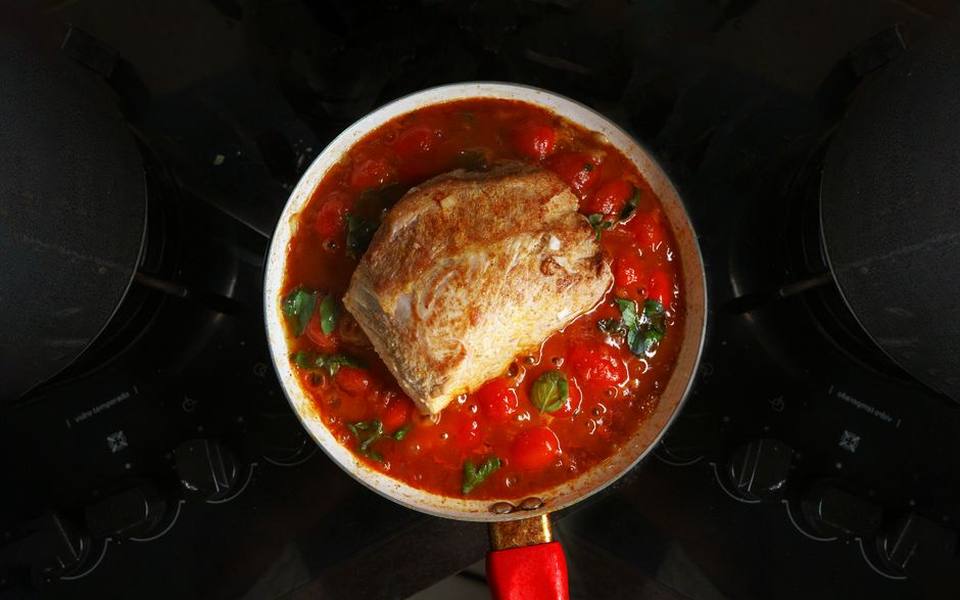
To set up a corned beef brisket crock pot braise, place the meat fat-side up on a bed of roughly chopped aromatics like yellow onions, celery ribs, and smashed garlic cloves. Add enough liquid—whether filtered water, unsalted beef stock, or a malty Irish stout—to reach halfway up the sides of the brisket. Leaving the fat cap elevated above the water level allows the fat to render slowly, basting the muscle beneath as it cooks.
Cook on the low setting for eight to nine hours, or on high for four to five hours, keeping the lid tightly closed to prevent moisture loss. Cooking corned beef brisket slow cooker style requires patience; the meat is done only when a meat probe or carving fork slides into the thickest center with zero resistance. If adding hearty root vegetables like carrots, red potatoes, and cabbage, add them during the final three hours of cooking so they absorb flavor without disintegrating.
Accelerating the Process with a Pressure Cooker
If you do not have eight hours to spare, cooking pressure cooker corned beef compresses the entire braising timeline into under two hours while yielding remarkably tender results. The pressurized environment elevates the boiling point of water inside the vessel to roughly two hundred and fifty degrees Fahrenheit. This elevated temperature accelerates collagen gelatinization, breaking down tough connective sheets in a fraction of normal kitchen time.
For an electric pressure cooker, place the trivet inside the stainless liner and lay the brisket on top, fat cap upward. Pour in three to four cups of liquid along with your pickling spices and aromatics, making sure the liquid stays below the appliance's maximum fill line. Secure the lid, seal the steam vent, and set the unit to high manual pressure for seventy to eighty-five minutes, depending on whether you have a lean flat cut or a dense point cut.
Always allow the pressure cooker to release naturally for at least twenty minutes rather than forcing a quick manual release. A rapid vent drops the internal pressure instantly, causing the trapped boiling fluids inside the muscle fibers to violently boil and vaporize, which turns the brisket dry and stringy. After the natural release finishes, remove the meat to rest, toss in your cabbage wedges and potatoes, and pressure cook the vegetables alone for three to four minutes.
Oven Roasting and Braising for Rich Surface Flavor
Traditional wet braising produces tender corned meat, but corned beef roasting in a Dutch oven or deep roasting pan creates a much deeper savory flavor profile on the exterior. Roasting allows you to combine gentle covered braising with a final uncovered blast of dry heat, giving the fat cap a browned, caramelized surface that boiled preparations simply cannot achieve.
To roast, place the cured brisket into a deep roasting dish and pour warm water or broth around the sides until it reaches one-third up the meat. Scatter pickling spices into the liquid, cover the roasting pan tightly with multiple layers of heavy-duty aluminum foil to trap every bit of steam, and place it in an oven preheated to three hundred degrees Fahrenheit. The foil seal acts as a moisture trap, gently braising the meat over three to four hours.
During the final thirty minutes of cooking, remove the foil and brush the fat cap with a sweet glaze made from coarse Dijon mustard, brown sugar, and a splash of apple cider vinegar. Increase the oven temperature to three hundred and seventy-five degrees Fahrenheit or turn on the upper broiler briefly. The sugars caramelize against the cured, salty surface of the brisket, creating a crisp, sweet-and-savory bark that elevates standard sliced platters.
Smoking Cured Brisket for Pastrami Crossover Flavor
Taking a cured corned brisket out to the outdoor smoker transforms standard boiled meat into deeply aromatic smoked corned beef, forming the backbone of classic pastrami. Smoking adds woody complexity and crisp exterior bark while retaining the dense, cured moisture of the brined beef underneath. Pitmasters across Texas butcher shops and traditional delis use this exact intersection of curing and smoking to produce award-winning barbecue.
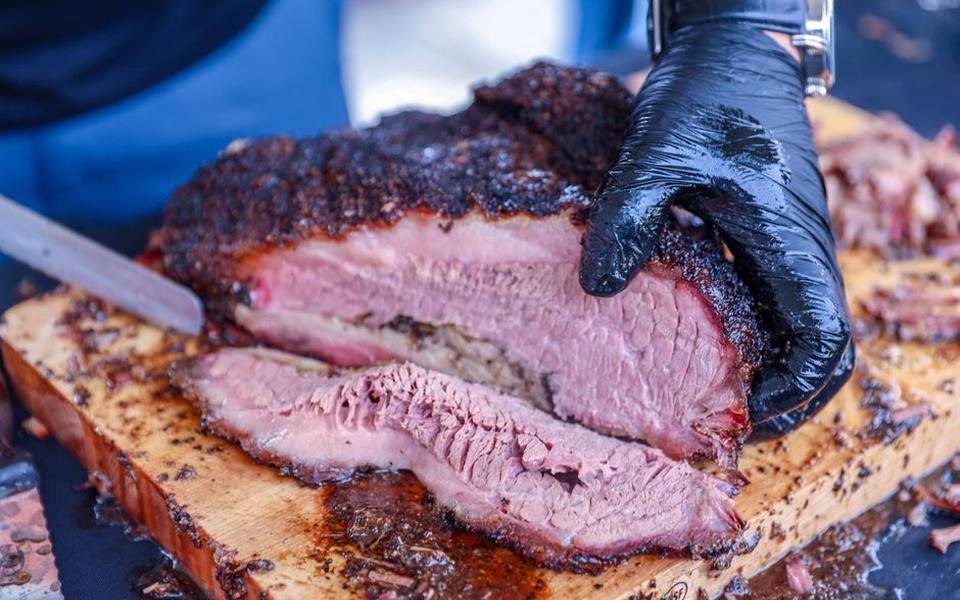
Before placing a corned beef brisket smoked on the grates, you must desalinate the meat to prevent the smoke bark from tasting overly salty. Submerge the brined brisket in a large basin of cold, plain water for six to twelve hours in the refrigerator, changing the fresh water twice. This leaching step pulls excess surface salts out of the outer muscle tissues while leaving the deep internal cure completely intact.
Once desalted, pat the brisket completely dry and coat it with an assertive dry rub featuring coarse butcher-grind black pepper, crushed coriander seeds, granulated garlic, and a hint of smoked paprika. Place the meat into a smoker held steadily between two hundred and twenty-five and two hundred and fifty degrees Fahrenheit using oak, pecan, or hickory wood. Smoke until the internal temperature reaches roughly one hundred and sixty-five degrees, then wrap in butcher paper to finish cooking until probe-tender around two hundred degrees.
Slicing Mechanics, Grain Direction, and Storage
Even the most tender brisket can taste tough and chewy if sliced improperly on the cutting board. Meat fibers run in parallel strands like bundles of cord along the length of the muscle. If you cut along those fibers, your teeth must do the hard work of biting through long, intact strands; cutting across the grain cuts those fibers into microscopic sections, making every bite disintegrate easily in your mouth.
Examine the grain pattern before carving, particularly on flat cut corned beef where the directional grain runs diagonally across the piece. Use a long, scalloped or hollow-ground slicing knife to shave slices against the grain, keeping them around one-eighth to one-quarter inch thick. If working with a whole packer brisket, note that the point cut grain runs nearly perpendicular to the flat cut, meaning you must turn the meat ninety degrees before carving the point.
For leftover storage, let the cooked meat cool completely while resting in its braising juices, which prevents moisture from bleeding out into the container. Store carved or whole pieces in airtight containers submerged in strained broth for up to four days under refrigeration. For long-term freezing, wrap solid portions tightly in plastic film followed by heavy foil or vacuum-seal bags to protect the meat from freezer burn for up to three months.
Sourcing Raw Brisket Versus Pre-Packaged Cuts
Supermarket meat departments reliably stock corned beef flats in vacuum-sealed plastic pouches soaked in brine around early spring. While these packaged cuts are convenient and quick to drop into a slow cooker, they frequently contain high percentages of sodium phosphates, added water weight, and artificial tenderizers that can leave the meat with a spongy, wet texture. You are essentially paying by the pound for excess saline solution.
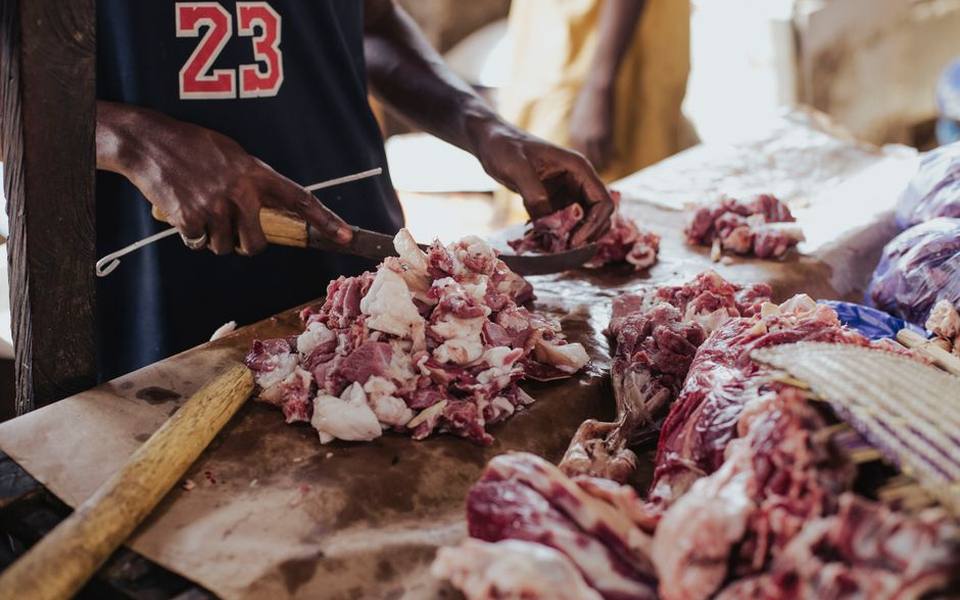
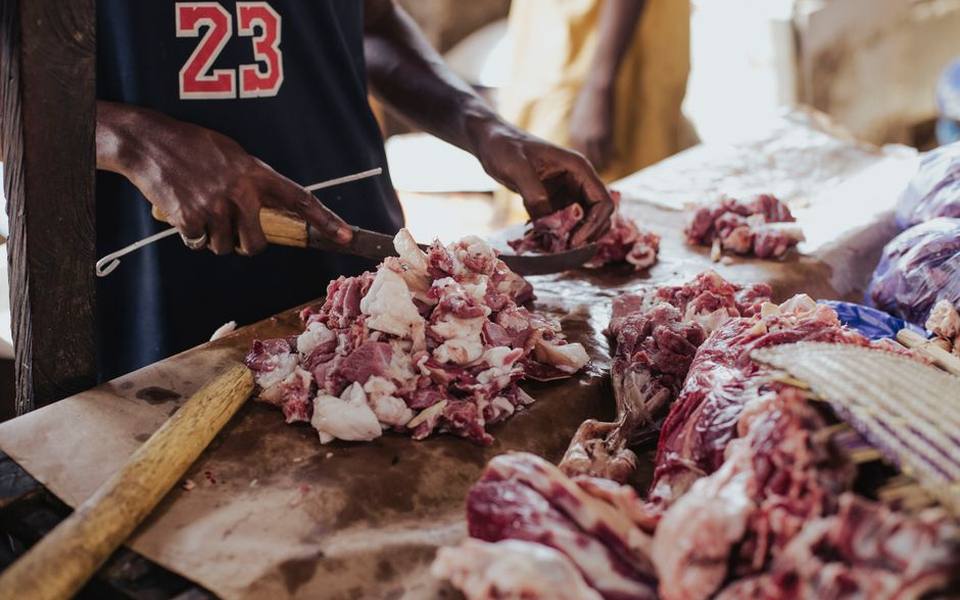
Purchasing an un-cured fresh brisket flat or whole packer directly through independent butcher counters provides significantly higher meat density and fresher marbling. Sourcing your meat locally allows you to inspect the thickness of the fat cap, verify the grade of beef—such as Choice or Prime—and decide whether to home-cure with pink salt or cook the fresh brisket in a traditional un-cured braise. You can locate neighborhood purveyors and custom meat cutters across the country through the directory of local butcher shops.
When purchasing fresh beef for home brining, request a brisket with an intact fat cap and uniform thickness across the flat to avoid tapered ends that cure unevenly. Pre-trimmed supermarket cuts often have gouges where butchers removed fat carelessly, which can cause cure salts to penetrate inconsistently. A clean, uniform brisket ensures your five-to-seven-day curing process delivers balanced flavor from edge to center.
Published 2026-09-20 · reviewed with each rebuild, last September 2026.
Find butcher shops near you
The directory lists 13,556 butcher shops by state and city — pick your state or use the “Near me” button in the header.
More guides
-
 Buying
Flank Steak vs. Skirt Steak: The Complete Flat Cut Guide
-
 Storage
Storing Fresh Meat and Deli Cuts: Refrigerator and Freezer Timelines
-
 Money
MoneyUnderstanding Beef Prices: Retail Costs, Hanging Weight, and Bulk Buying
-
 Buying
Ribeye vs. New York Strip: Flavor, Marbling, and Texture Compared
-
 Storage
Freezer and Fridge Meat Storage Guide: Shelf Life, Freezing, and Safety
-
 Buying
Ribeye vs. New York Strip: Cut Comparison, Flavor, and Texture
-
 Buying
A Complete Guide to Roasting Prime Rib and Navigating the Butcher Counter
-
 Money
MoneyUnderstanding Beef Costs: From Everyday Retail Cuts to Bulk Whole Cattle Purchases
-
 Owning
Essential Butcher Tools: Meat Thermometer Buying Guide and Knife Sharpening
-
 Buying
Complete Guide to Beef Tenderloin and Filet Mignon
-
 Buying
Bistro Steaks: How to Choose, Prep, and Grill Flank, Flat Iron, Hanger, and Bavette
-
 Buying
Beef Short Ribs, Plate Ribs, and Flanken Cut Guide
-
 Buying
A Guide to Cornish Game Hens, Guinea Fowl, and Specialty Poultry
-
 Buying
Chorizo, Andouille, and Specialty Artisan Sausages: A Practical Guide to World Styles
-
 Buying
Butcher's Guide to Pork Shoulder, Boston Butt, and Country-Style Ribs
-
 Buying
Butcher's Guide to Ribeye, Tomahawk, Cowboy, and Chuck Eye Steaks
-
 Buying
A Guide to Offal, Beef Tallow, Bone Marrow, and Specialty Cuts
-
 Buying
A Butcher's Guide to Deli Meats, Cured Cuts, and Charcuterie Selection
-
 Owning
Butcher Tools Guide: Thermometers, Knife Sharpening, and Essential Supplies
-
 Buying
Beef Short Ribs and Korean Kalbi Buying and Cooking Guide
-
 Buying
Grass-Fed Beef, Pasture-Raised Meat, and Clean Meat Sticks: A Buyer's Guide
-
 Buying
Pork Spare Ribs, St. Louis, and Country-Style Ribs Guide
-
 Storage
The Practical Guide to Dry Aging Beef at Home and Choosing Equipment
-
 Owning
Butcher's Guide to Rich Chicken Broths and Regional Homemade Soups
-
 Buying
Bacon-Wrapped Jalapeño Poppers: A Complete Butcher's Guide
-
 Buying
A Butcher's Guide to Pork Sirloin Roasts, Stuffed Chops, and Crown Cuts