Demystifying Small Birds on the Butcher Counter
Walking up to an independent butcher case often reveals options beyond standard broiler breasts and thighs. Nestled between whole roasters and game cuts, you might spot diminutive carcasses labeled as Cornish game hens or guinea fowl. Despite the exotic-sounding names, these specialty birds are approachable domestic poultry that offer a practical alternative to cooking a bulky five-pound chicken for a small household.
Shoppers unfamiliar with the category frequently confuse the terminology, occasionally asking for a gaming hen or wondering if these birds were harvested in the wild. In reality, the traditional Cornish game bird sold in American meat markets is a specific class of young, domestic chicken bred for tender meat and quick cooking. They are completely domesticated, making them accessible in flavor and dependable on the table.
Meanwhile, birds like guinea fowl offer a bridge between familiar chicken and true feathered game. Understanding how these varieties differ in bone structure, fat content, and flavor profile allows you to pick the right carcass for dinner without paying a premium for meat you do not know how to handle. A good counter display is merely an invitation to broaden your weeknight roasting rotation.
The True Story Behind the Rock Cornish Hen
The bird recognized across grocery cases and traditional butcher counters as a Cornish game hen is actually neither wild game nor exclusively a hen. Developed in Connecticut during the mid-twentieth century, the Rock Cornish hen originated as a cross between the Cornish chicken breed and the White Plymouth Rock. Both male and female birds are harvested under strictly regulated age and weight limits, usually before they reach six weeks of age.
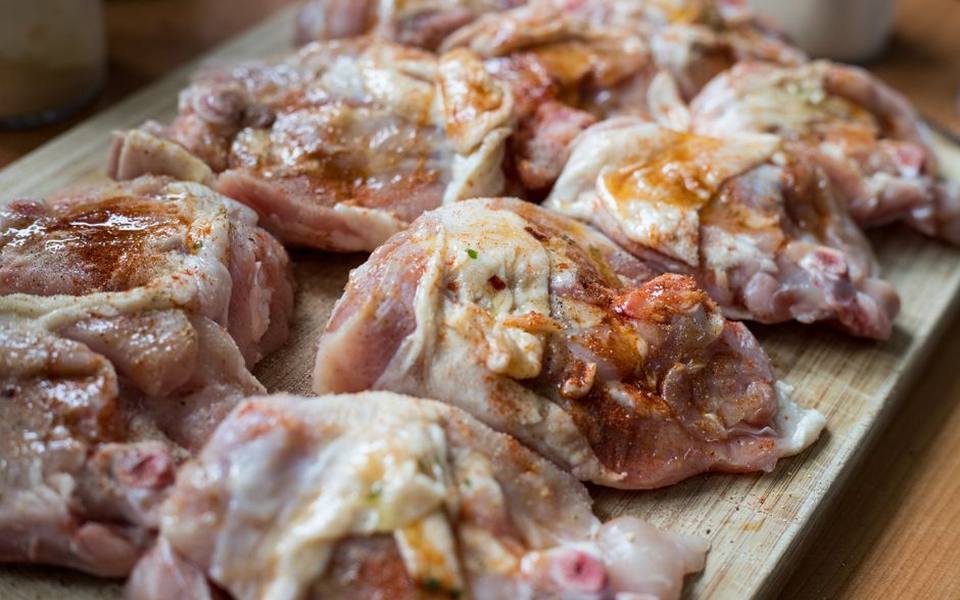
Under federal labeling guidelines, a true Cornish gamehen must weigh two pounds or less when processed and be harvested very young. Because the bird is immature, its connective tissue has barely developed, producing meat that is exceptionally tender and mild. You will not find the tough fibers typical of an older stewing hen, nor the pronounced gamy character that the bird's historical trade name might suggest.
When purchasing these compact birds, remember that their skeleton-to-meat ratio is higher than that of a standard four-pound broiler. A single whole bird typically yields about one generous portion for an adult appetite, or two smaller servings if carved alongside hearty side dishes. Their petite frame makes them ideal for individual presentation, giving every dinner guest a personalized roasted centerpiece.
Quality varies significantly between mass-market frozen stock and fresh poultry ordered through custom-cut butcher shops. Supermarket birds are often pumped with a sodium-rich basting solution to preserve moisture, whereas an artisan butcher typically sells air-chilled birds with firm skin, natural moisture retention, and a far cleaner poultry flavor on the palate.
Understanding Guinea Fowl and Guinea Meat
For home cooks who want true feathered game flavor without the unpredictability of field-hunted birds, guinea fowl is an outstanding choice. Frequently referred to in traditional European and African cooking as a guinea chicken, this bird belongs to a distinct avian family originally native to West Africa. Today, domestic flocks are raised across North America under controlled farm conditions.
The flavor of domestic guinea meat is noticeably richer and more aromatic than ordinary chicken, bearing close resemblance to pheasant. It is distinctly savory, slightly earthy, and darker in color across both the breast and thigh, without tasting overwhelmingly pungent or iron-heavy. If you enjoy the depth of dark-meat chicken or duck, guinea fowl offers a balanced, refined middle ground.
The primary challenge with cooking guinea fowl lies in its lean physiology. These birds do not carry thick sub-cutaneous fat deposits beneath their skin like standard commercial broilers. If subjected to high, dry heat without added fat or moisture protection, the breast can dry out quickly. Butchers often suggest larding the breast with thin strips of pork backfat or roasting the carcass breast-down for the initial stretch of cooking.
Sourcing Specialty Poultry at Independent Meat Markets
Specialty poultry is not always sitting ready in the retail display tray, especially outside the winter holiday season. Many traditional shops keep whole game hens and specialty birds in the walk-in freezer to protect freshness, bringing them to the front case primarily on weekends. If you plan a dinner around them, calling a day or two in advance gives your butcher time to pull and gently temper the birds.
Regional availability plays a notable role in what shops stock regularly. For example, shoppers visiting independent purveyors among butcher shops in New York will often find fresh guinea fowl and squab driven by robust regional demand from local restaurant traditions. In other areas, you may need to ask the staff to add specialty birds to their weekly distributor order.
When ordering whole birds, ask your butcher whether the giblets and neck are included inside the cavity. These small cuts provide the aromatic base for rich poultry reductions and pan gravies. Having your butcher remove the spine—often called spatchcocking or butterflying—can also save you considerable prep time at home while ensuring the legs and breast cook at an even pace.
Halal and Heritage Standards for Specialty Birds
Discerning buyers increasingly look beyond basic packaging labels to understand how specialty birds were fed, housed, and slaughtered. Small poultry lends itself particularly well to heritage farming methods, where flocks have access to pasture, varied forage, and sunlight. Pasture-raised birds grow more slowly, developing stronger bone density and distinct aromatic fat that translates directly into superior pan drippings.
Religious dietary standards are also widely available in the specialty poultry trade. Hand-slaughtered poultry certified under strict dietary supervision is readily found by searching for vetted halal butchers who source whole game birds. These purveyors follow thorough bleeding methods that remove residual blood from the vascular system, resulting in exceptionally clean-tasting meat with bright, unblemished skin.
Whether seeking heritage heritage breeds or certified halal poultry, check that the skin is unbroken, free from bruising, and clear of remaining pinfeathers. Fresh birds should carry a clean, neutral poultry aroma with no sour or ammonia notes. If the bird feels slick or slippery beneath cold water, it has spent too long sitting in liquid purge within plastic wrapping.
Comparing Cornish Hens, Guinea, and Standard Roasters
Choosing between an individual cornish hen, a guinea bird, and a whole standard roasting chicken comes down to texture, yield, and table purpose. A typical four-pound broiler offers thick, mild breast meat with plenty of fat, designed to feed three to four people with minimal fuss. It handles forgiving heat ranges well because of its moderate fat reserves.
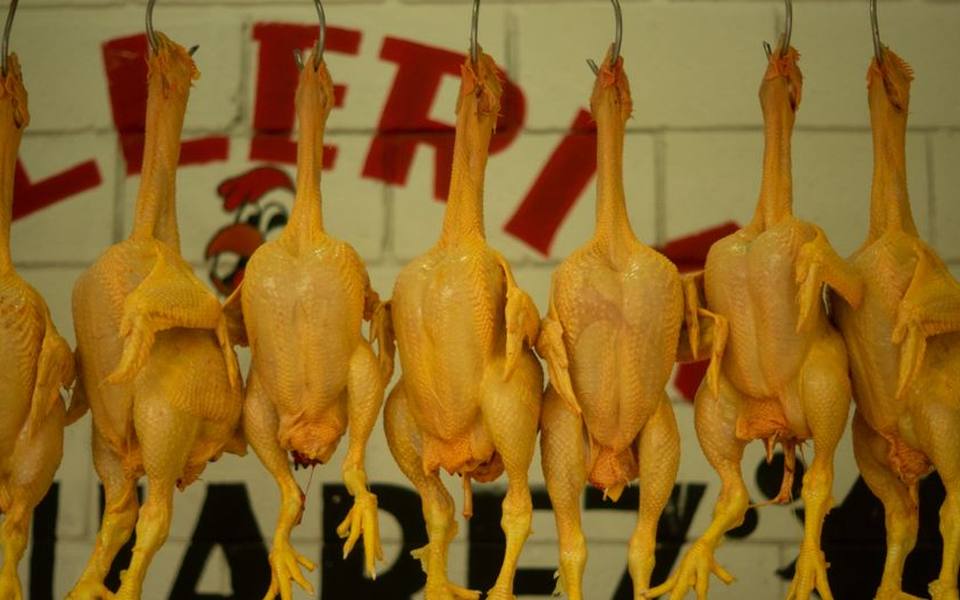
In contrast, the tender fibers of a young rock cornish hen cook within thirty to forty minutes, delivering a sweet, subtle flavor that absorbs marinades and glazes with exceptional speed. However, because they are harvested so early, their meat contains little fat marble. Overcooking by even ten minutes can sap their delicate moisture, making attentive thermometer use essential during the roasting process.
Guinea fowl sits at the opposite end of the spectrum regarding flavor depth. The meat possesses muscular integrity, meaning it requires slightly more chewing than a juvenile hen, but it rewards you with deep, savory complexity. It is an ideal bird for braising in earthenware with root vegetables, bacon, and dry cider, where its aromatic juices enrich the surrounding cooking broth.
If you are feeding a crowd with varied palates, a collection of game hens provides visual elegance while remaining familiar enough for picky eaters. Conversely, guinea fowl is best reserved for dinners where guests appreciate the rustic, complex notes of traditional European game cookery.
Planning Balanced Cornish Hen Meals
Designing complete cornish hen meals requires considering the small size of the carcass and the balance of plate presentation. Because each guest typically receives a whole or half bird, side dishes should complement rather than overshadow the poultry. Earthy grains like wild rice blends, farro, and seasoned bread stuffings provide an ideal bed that catches flavorful pan juices.
Roasted vegetables that caramelize alongside the poultry streamline kitchen prep. Root vegetables such as baby carrots, parsnips, and halved shallots cook at roughly the same rate as a split bird roasted at high heat. Tossing these vegetables into the bottom of the roasting pan allows them to baste continuously in the rendering bird fat, developing deep savory notes.
Acidity is another crucial component when serving whole roasted game hens. Because the skin can become pleasantly rich when basted with butter or olive oil, incorporating citrus glazes, pomegranate reductions, or a briskly dressed bitter green salad cuts through the savory coating. A simple pan sauce whisked with dry white wine, chicken stock, and fresh herbs ties the entire plate together cleanly.
Essential Roasting Techniques for Small Whole Poultry
Executing a reliable whole roasting chicken recipe on small poultry requires adapting temperature and timing to account for low overall mass. While a large roaster often cooks at moderate heat for ninety minutes, small birds benefit from an initial blast of high heat—typically around 425 degrees Fahrenheit—to render the skin crisp without drying the core meat.
Before roasting, thoroughly pat the cavity and skin completely dry with paper towels. Leaving residual moisture on the bird causes the skin to steam rather than crisp. Season the skin generously with coarse kosher salt and freshly cracked black pepper at least an hour before cooking, or leave the bird uncovered in the refrigerator overnight to allow the surface skin to dehydrate naturally.
Trussing the legs loosely with butcher twine keeps the bird compact, ensuring the small drumsticks do not cook significantly faster than the thigh joints. For lean birds like guinea chicken, tucking seasoned butter or thin strips of pancetta under the breast skin shields the white meat from drying out while roasting in a hot oven.
Always rely on a calibrated meat thermometer inserted into the deepest part of the thigh without contacting bone. Pull the birds from the oven when the internal temperature registers 160 degrees, allowing carryover cooking during a ten-minute rest on the cutting board to bring the meat to the safe standard of 165 degrees.
Safe Handling, Storage, and Thawing Protocols
Because specialty poultry frequently arrives frozen, safe thawing protocols are essential for food safety and meat texture. Never thaw frozen birds on the kitchen counter at ambient room temperature. The safe approach is slow refrigeration: a typical one-to-two-pound cornish gamehen requires roughly twenty-four to thirty-six hours in the refrigerator to thaw through to the cavity.
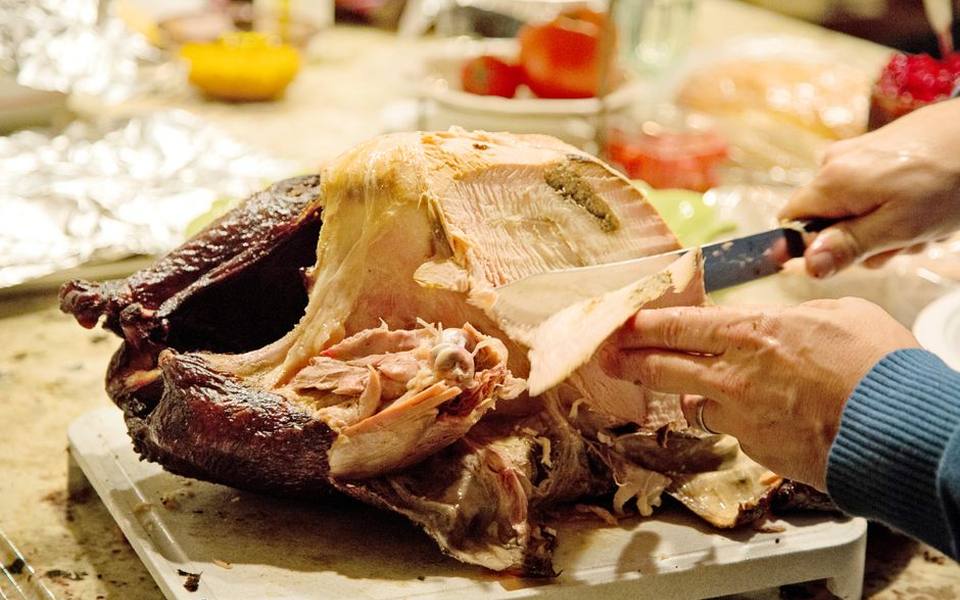
If you must expedite the process, submerge the sealed bird in a clean bowl of cold tap water, changing the water every thirty minutes to keep it safely below 40 degrees Fahrenheit. A small bird usually thaws in cold water within one to two hours. Once fully thawed, raw poultry should be prepared and cooked within two days for peak culinary quality.
Cross-contamination risks mirror those of standard domestic fowl. Sanitize cutting boards, carving knives, and sink surfaces immediately after working with raw birds. If you process your own wild game seasonally or bring whole field-dressed poultry to facilities specializing in deer and wild game processing, keep your kitchen workspace separated from domestic poultry prep areas to preserve sanitation.
Leftover cooked specialty poultry should be carved off the bone, packed into shallow airtight containers, and refrigerated within two hours of serving. Cooked meat maintains prime flavor for three to four days, and the discarded carcasses can be simmered immediately into a light, savory stock.
Working with Your Butcher for Specialty Cuts
Establishing a direct conversation with your local meat cutter takes the guesswork out of buying unusual poultry. Independent butchers working across states like Texas butcher shops maintain relationships with regional specialty farms and can easily secure whole birds, split cuts, or uncommon poultry varieties that general supermarkets rarely carry on their shelves.
When placing an order, clarify whether you want whole head-on, feet-on birds or standard dressed carcasses. European culinary recipes for guinea fowl or game birds often call for retaining feet and heads for rich stock building, while standard American culinary applications typically expect standard dressed birds. Your butcher can prep the bird to your exact recipe specifications.
Do not hesitate to ask for knife work at the counter. Butchers can effortlessly halve small birds along the breastbone, debone the thigh, or remove the backbone for flat-grilling. Taking advantage of their skilled handiwork saves you kitchen time and guarantees clean, splinter-free cuts across delicate bones.
Published 2026-09-20 · reviewed with each rebuild, last September 2026.
Find butcher shops near you
The directory lists 13,556 butcher shops by state and city — pick your state or use the “Near me” button in the header.
More guides
-
 Buying
Flank Steak vs. Skirt Steak: The Complete Flat Cut Guide
-
 Storage
Storing Fresh Meat and Deli Cuts: Refrigerator and Freezer Timelines
-
 Money
MoneyUnderstanding Beef Prices: Retail Costs, Hanging Weight, and Bulk Buying
-
 Buying
Ribeye vs. New York Strip: Flavor, Marbling, and Texture Compared
-
 Storage
Freezer and Fridge Meat Storage Guide: Shelf Life, Freezing, and Safety
-
 Buying
Ribeye vs. New York Strip: Cut Comparison, Flavor, and Texture
-
 Buying
A Complete Guide to Roasting Prime Rib and Navigating the Butcher Counter
-
 Money
MoneyUnderstanding Beef Costs: From Everyday Retail Cuts to Bulk Whole Cattle Purchases
-
 Owning
Essential Butcher Tools: Meat Thermometer Buying Guide and Knife Sharpening
-
 Buying
Complete Guide to Beef Tenderloin and Filet Mignon
-
 Buying
Bistro Steaks: How to Choose, Prep, and Grill Flank, Flat Iron, Hanger, and Bavette
-
 Buying
Beef Short Ribs, Plate Ribs, and Flanken Cut Guide
-
 Buying
Chorizo, Andouille, and Specialty Artisan Sausages: A Practical Guide to World Styles
-
 Buying
Butcher's Guide to Pork Shoulder, Boston Butt, and Country-Style Ribs
-
 Buying
Butcher's Guide to Ribeye, Tomahawk, Cowboy, and Chuck Eye Steaks
-
 Buying
A Guide to Offal, Beef Tallow, Bone Marrow, and Specialty Cuts
-
 Buying
A Butcher's Guide to Deli Meats, Cured Cuts, and Charcuterie Selection
-
 Owning
Butcher Tools Guide: Thermometers, Knife Sharpening, and Essential Supplies
-
 Buying
Corned Beef Brisket: Cut Selection, Home Curing, and Cooking Guide
-
 Buying
Beef Short Ribs and Korean Kalbi Buying and Cooking Guide
-
 Buying
Grass-Fed Beef, Pasture-Raised Meat, and Clean Meat Sticks: A Buyer's Guide
-
 Buying
Pork Spare Ribs, St. Louis, and Country-Style Ribs Guide
-
 Storage
The Practical Guide to Dry Aging Beef at Home and Choosing Equipment
-
 Owning
Butcher's Guide to Rich Chicken Broths and Regional Homemade Soups
-
 Buying
Bacon-Wrapped Jalapeño Poppers: A Complete Butcher's Guide
-
 Buying
A Butcher's Guide to Pork Sirloin Roasts, Stuffed Chops, and Crown Cuts