The Distinction Between Whole-Muscle and Reformed Cold Cuts
Walking up to a service counter can be overwhelming if you are not sure what makes one roast beef or turkey breast worth twice the price of another. The single most important factor in choosing cold cuts from deli displays is knowing whether the meat is whole-muscle or emulsion-formed. Whole-muscle cuts come from identifiable primal sections of pork, beef, or poultry that have been trimmed, seasoned, and gently cooked or cured. When sliced, you can see continuous grain patterns, subtle natural fat marbling, and variable muscle fibers that tear naturally along the grain.
Reformed, sectioned, or pressed meats represent the lower tier of cold cut lunch meat. These products are made from meat trimmings that have been mechanically chopped, mixed with water, salts, phosphates, and binding starches, and then extruded into uniform synthetic casings for steaming. They exhibit a glossy, rubbery surface and an unnatural homogeneity where no individual muscle grain exists. While they keep sandwiches affordable and provide a consistent shape for prepackaged blister packs, they lack the chew, depth of flavor, and genuine moisture balance found in intact cuts.
When inspecting meats through the refrigerated glass, look for irregular profiles rather than identical cylinders or rectangles. High-grade cold cut meats will show natural color gradients, such as a slightly darker outer rim from roasting or smoke penetration, transitioning to a rosy or pale interior. Quality roast turkey should look like roasted breast meat, showing fiber strands rather than a spongy composite block. Spending a few extra minutes assessing the muscle structure ensures you take home sliced meats that enhance your lunch rather than feeling watery or bland.
How to Order at the Service Counter for the Best Texture
The interaction at the slicer dictates your entire sandwich experience. Meat cut too thick can feel rubbery and overwhelming, while meat sliced too thin can turn into an indistinct mush inside crusty bread. Most commercial slicing machines use numbered dials from zero to ten, but asking for a specific number is rarely effective because calibration varies dramatically across machines. Instead, describe the physical texture you want, or ask the clerk for a test slice before they fulfill the entire order.
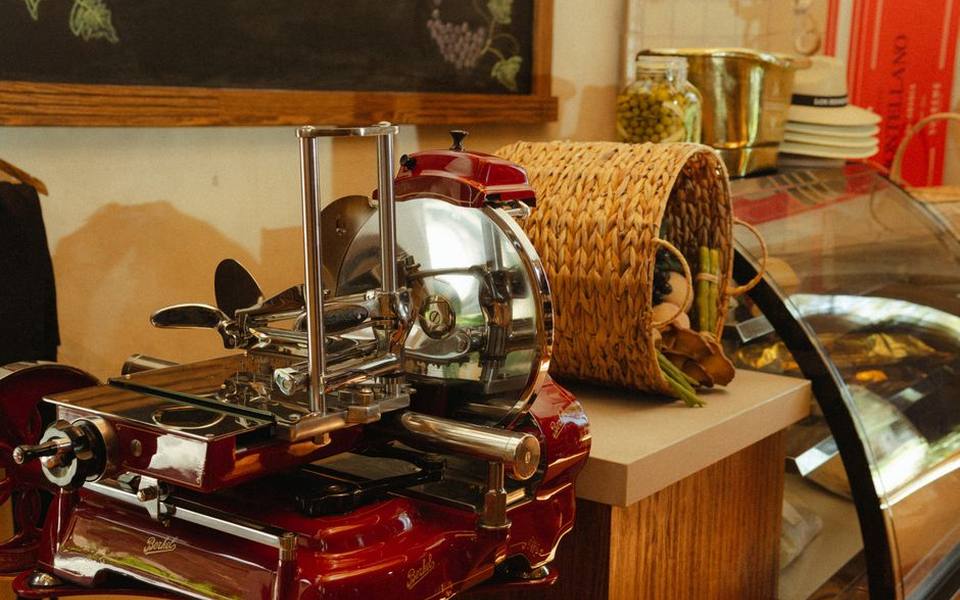
For everyday cold cut sandwich meat, asking for a thin fold or a gentle ribbon cut provides the ideal balance of surface area and aeration. When thin slices are piled loosely onto bread rather than laid flat in dense, pressed layers, they capture air pockets that make every bite lighter and allow seasonings to hit your palate immediately. Delicate whole-muscle poultry and ham shine under this technique, transforming dense proteins into tender layers that complement bread without pushing fillings out the sides of the roll.
If you are ordering dry salumi, prosciutto, or cured beef, request an ultra-thin or shaved cut where you can almost see the counter surface through the slice. Fat in cured meats must dissolve at body temperature to release its complexity; thick slabs of dry-cured pork require excessive chewing and can taste overly salty. Conversely, if you plan to dice meat for salads, soups, or omelets, ask the butcher for a thick slab cut, which gives you clean cubes. Taking advantage of counter staff at custom-cut butcher shops allows you to specify distinct thicknesses for different culinary uses across the same order.
Navigating Traditional Italian Cold Cuts for Grinders and Hoagies
Classic Italian sandwiches rely on a deliberate harmony between rich, spiced, and cured proteins to cut through oil, vinegar, and sharp provolone. To build an authentic profile, you need to understand the individual roles played by traditional Italian cold cuts. Mortadella provides creamy indulgence; it is an emulsion sausage lightly seasoned with warm spices, studded with cubes of pork neck fat, and sometimes enriched with whole pistachios. When sliced thin, it brings a velvety melt that balances leaner, firmer meats on the bread.
For the savory backbone, cured salamis such as Genoa or Sopressata contribute pronounced garlic, wine, and peppercorn notes. Genoa is typically softer and slightly oilier, made from finely ground pork and beef, whereas Sopressata has a coarser grind and an assertive peppery punch that holds up to acidic toppings. Layered alongside these is capocollo, often called coppa or gabagool, which is seasoned, cured pork neck or shoulder. High-grade capocollo showcases a vivid marbled grain that introduces both savory chew and delicate, sweet pork fat to the sandwich stack.
Many sandwich makers finish their lineup with thin slices of prosciutto cotto, which is Italian-style slow-cooked ham, or a touch of cured pancetta for distinct richness. The balance of Italian cold cut meats works best when you combine one cooked element, like mortadella or ham, with two distinct dry-cured proteins that offer contrasting fat textures and spice levels. Avoid overlapping meats that share identical flavor profiles; contrast creates the dynamic bite that defines traditional regional delicatessen sandwiches.
Choosing the Right Prosciutto for Charcuterie Boards
A charcuterie arrangement demands a different tier of meat than an everyday lunch sack, and selecting the right prosciutto for charcuterie board displays requires careful visual evaluation. Authentic dry-cured ham involves nothing more than pork leg and sea salt, aged slowly in climate-controlled cellars for periods ranging from one to three years. As moisture evaporates, natural enzymatic breakdown develops rich umami, a subtle sweetness, and a soft, yielding texture that melts across the tongue without any stringy chew.
When inspecting the whole leg before slicing, look at the fat cap and internal color. Quality prosciutto should display a deep, ruby-rose or mahogany lean with a thick ribbon of pristine white or slightly creamy fat. Steer clear of ham with gray edges, yellowish or rancid-smelling fat, or a dry, leathery perimeter, which indicates improper storage or stale counter conditions. While Italian staples like Prosciutto di Parma and Prosciutto di San Daniele represent the gold standard of sweetness and tenderness, high-grade domestic craft cures offer excellent earthy flavors when properly aged.
Slice thickness makes or breaks this delicate product on a serving tray. Instruct the butcher to place parchment or wax separator sheets between every four or five slices to prevent them from fusing into a torn mass inside the wrapping. When arranging prosciutto on a board, do not lay it flat; drape each slice into loose waves, rosettes, or folded ribbons. This exposes more fat to room air, softening the lipid structure and making it simple for guests to lift individual portions without tearing the whole presentation apart.
Commercial Deli Counter Brands Versus Neighborhood Butcher Specialties
For decades, the grocery deli aisle has been dominated by recognized regional and national brands that standardize the customer experience. Premium national offerings, such as Boar's Head cold cuts and comparable service-counter lines, became household names by offering consistent whole-muscle options, predictable low-sodium variants, and reliable flavor profiles across thousands of supermarkets. They set an accessible baseline quality that was visibly superior to pre-sliced refrigerated packaged meats, giving shoppers dependable cuts of turkey, ham, and roast beef anywhere in the country.
However, independent meat markets and traditional delicatessens operate with distinct philosophies that yield superior depth of flavor. A neighborhood butcher cures and smokes whole hams on-site, roasts top rounds using proprietary herb rubs, and prepares house-cured pastrami with long brining cycles that commercial producers cannot scale. Visiting established butcher shops in New York or longstanding Midwest delis exposes you to house-roasted pork loins and corned beef brisket that feature natural rendered fat caps rather than water-binding gelatin jackets.
When making your choice, evaluate the ingredient declarations on display tags. Quality commercial brands keep additives minimal, using natural celery powders or traditional salts for preservation, but local butchers often push purity even further by eliminating starches and unnecessary liquid solutions entirely. Commercial meats offer predictable convenience for weekday lunches, but local, small-batch cold cut deli meats deliver genuine smokehouse aroma, nuanced seasoning, and regional heritage that transform an ordinary meal into an artisanal experience.
Understanding Spiral Sliced Ham for Everyday Dining and Entertaining
The spiral sliced ham remains one of the most practical cured meats available, bridging the gap between grand centerpiece roasts and versatile sandwich provisions. Produced from a whole cured and smoked pork hind leg, this cut is machine-sliced along the bone in a continuous spiral while leaving the meat secured around the femur. This design allows hosts to carve neat, uniform slices with minimal knife work, making it exceptionally popular for holiday tables, buffets, and large gatherings.
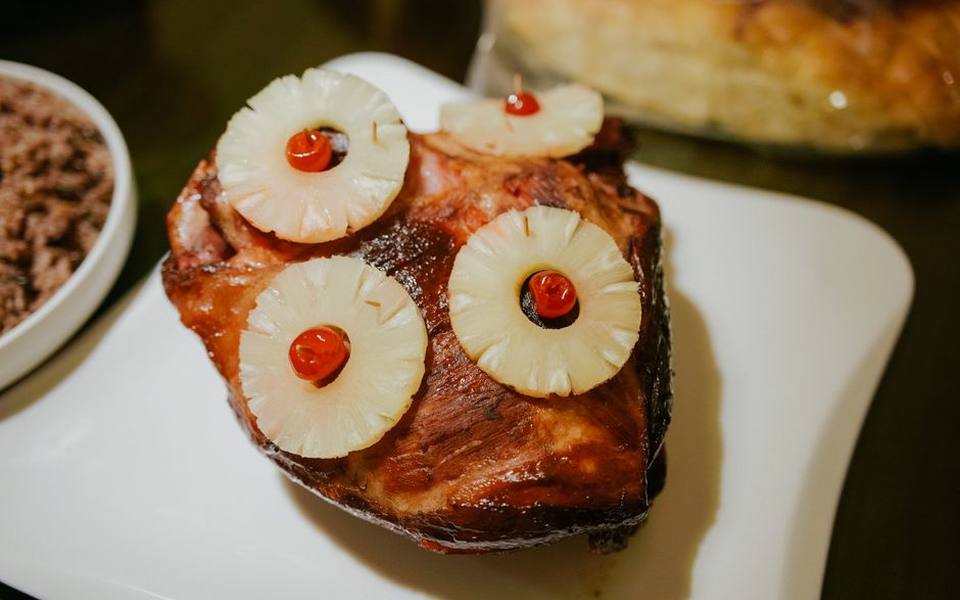
Selecting between bone-in and boneless formats is straightforward: bone-in delivers far superior flavor, moisture retention, and structural integrity during reheating. The bone also contains collagen and marrow that enrich the surrounding meat and leaves you with an invaluable base for simmering split pea or navy bean soups. Bone-in hams typically experience less liquid purging compared to boneless hams, which are pressed back together inside casings after the bone is removed, often resulting in a softer, less authentic mouthfeel.
The primary risk when handling a pre-sliced ham is dehydration, because the spiral cuts create immense surface area through which internal moisture can evaporate. When heating, keep the ham tightly covered in foil with a splash of cider or stock in the roasting pan, warming it low and slow until it just reaches an internal serving temperature around 130 to 140 degrees Fahrenheit. Any remaining portions can be transferred directly to the refrigerator, providing premium, naturally cured ham slices for lunch sandwiches throughout the following week.
Balancing Textures and Flavors on an Artisanal Charcuterie Platter
Assembling a memorable charcuterie display is an exercise in contrasting rich fats, deep savory notes, bright acidity, and varying mouthfeels. A common mistake is crowding a board with three varieties of hard, dry salami that taste nearly identical. A well-constructed platter requires clear diversity: a delicate dry-cured whole-muscle pork such as prosciutto, a spicy or herb-forward aged salame with visible fat marbling, a spreadable or soft-textured element like pâté or rillettes, and a lean specialty cut.
For that lean accent, dry-cured beef adds striking visual color and a pleasant, firm chew. Incorporating thin ribbons of bresaola or cured tenderloin, often crafted in counters specializing in dry-aged beef, brings clean, mineral-rich undertones that offset pork fat. Plan your quantities according to the meal schedule: provide roughly two to three ounces of cured meat per person if serving light appetizers before dinner, or five to six ounces per guest if the board serves as the primary centerpiece of the evening.
The supporting elements on your board serve functional culinary purposes rather than mere decoration. Acidic and briny accoutrements—such as cornichons, pickled mustard seeds, and marinated green olives—cleanse the palate after consuming rich, fat-heavy slices. Crusty sliced baguettes or plain water crackers should be favored over heavily flavored or salted snacks, ensuring the subtle curing notes and spices of the charcuterie remain front and center on your guests' palates.
Specialty Cured Meats: Poultry, Beef, and Dietary Accommodations
While traditional delicatessens emphasize pork, modern counters cater to a broader range of culinary needs and dietary restrictions without sacrificing craftsmanship. Consumers seeking leaner lunch options frequently turn to roasted poultry, but standard commercial turkey often suffers from water injection and bland seasoning. Look for shops that roast whole, bone-in turkey breasts rubbed with fresh sage, thyme, and cracked black pepper, resulting in clean, firm slices that hold their structure in hot or cold sandwiches.
Beef cold cuts also offer remarkable versatility beyond standard medium-rare roast beef. Long-cured pastrami, spiced with coarse black pepper and coriander seeds before hot smoking, provides a luscious alternative to pork for hearty sandwiches. Salt-cured corned beef flat cuts and smoked brisket deliver traditional flavor profiles steeped in regional delicatessen history. These cuts should show tight, distinct grain lines that pull apart gently without crumbling into mush.
Shoppers with specific dietary boundaries have more artisanal options than ever. Many customers rely on dedicated halal butcher shops to source exceptional beef pastrami, smoked lamb bacon, and spiced cured veal cuts prepared under strict religious standards. These poultry and beef alternatives prove that avoiding pork does not require settling for bland or overly processed sandwich meats, provided you know which specialty counters take curing and roasting seriously.
Safe Storage Practices and Maximizing Freshness at Home
The moment cured meat is sliced on a counter machine, its protective surface barrier is broken, exposing fresh meat fibers to ambient air and humidity. How you wrap and store deli cold cuts directly dictates how long they retain peak flavor and texture. Plastic cling film can trap surface moisture against the meat, creating a damp microclimate that encourages slimy bacterial growth and dulls clean flavor notes within a few days.

A better approach is to wrap your cold cuts in breathable butcher paper or wax paper, then store the parcel loosely inside an unsealed food container or a designated refrigerator meat drawer. This setup allows minimal air circulation while preventing the cut faces from drying out entirely. Whole-muscle roasted meats like chicken, turkey, and rare roast beef should ideally be consumed within three to five days of slicing. Fermented and dry-cured items like salami or prosciutto naturally resist spoilage longer and remain delicious for seven to ten days when kept cold.
Trust your senses when assessing older deli meats. Any sign of iridescent rainbow sheen on whole roast beef is actually natural light refraction off dense muscle fibers and is safe to eat, but a sticky, tacky film or a sour, yeasty odor indicates bacterial activity and means the meat should be discarded immediately. Never attempt to freeze thin-sliced lunch meats; freezing ruptures cell walls, and upon thawing, the meat releases its internal moisture, leaving you with dry, sponge-like slices floating in pooled water.
Locating Neighborhood Counters and Sourcing Regional Specialties
Finding an exceptional deli counter requires moving beyond standard supermarket aisles to seek out neighborhood markets that prioritize craft. Family-owned delicatessens, European specialty grocers, and heritage butcher shops invest in higher quality raw materials and treat slicing equipment with meticulous sanitation standards. Exploring traditional markets across Pennsylvania or similar historic butcher hubs reveals deep regional curing techniques—from smoked sweet Lebanon bologna to artisanal dried sausages—that simply cannot be duplicated by mass industrial packaging.
When visiting a new shop, pay close attention to counter hygiene and product turnover. A reputable counter will have pristine, stainless-steel slicers that are wiped down and sanitized regularly between handling cooked poultry and raw cured salumi. Sliced cold cuts should never sit pre-stacked under counter heat lamps or uncovered in display cases; meats must be pulled from whole chub loaves and sliced directly in front of you onto clean wax paper.
Do not hesitate to build a relationship with your local counter staff. Butchers and deli clerks love sharing details about cure times, proprietary wood smoke blends, and recent arrivals from artisanal producers. Asking for their personal recommendations or requesting custom slice thicknesses will consistently yield a far better sandwich spread, charcuterie board, or holiday meal than simply grabbing anonymous shrink-wrapped plastic packages off a refrigerated shelf.
Published 2026-09-20 · reviewed with each rebuild, last September 2026.
Find butcher shops near you
The directory lists 13,556 butcher shops by state and city — pick your state or use the “Near me” button in the header.
More guides
-
 Buying
Flank Steak vs. Skirt Steak: The Complete Flat Cut Guide
-
 Storage
Storing Fresh Meat and Deli Cuts: Refrigerator and Freezer Timelines
-
 Money
MoneyUnderstanding Beef Prices: Retail Costs, Hanging Weight, and Bulk Buying
-
 Buying
Ribeye vs. New York Strip: Flavor, Marbling, and Texture Compared
-
 Storage
Freezer and Fridge Meat Storage Guide: Shelf Life, Freezing, and Safety
-
 Buying
Ribeye vs. New York Strip: Cut Comparison, Flavor, and Texture
-
 Buying
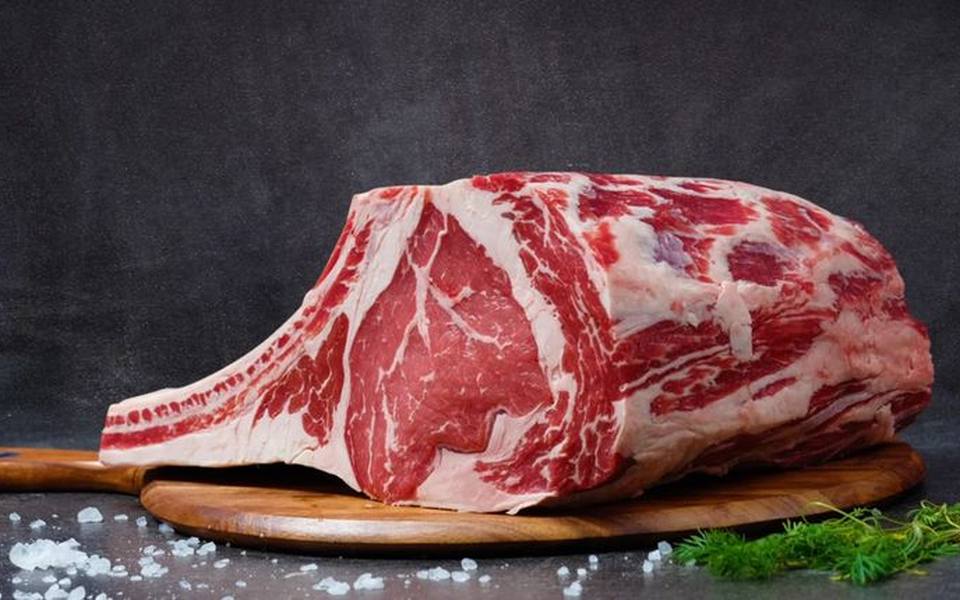
A Complete Guide to Roasting Prime Rib and Navigating the Butcher Counter
-
 Money
MoneyUnderstanding Beef Costs: From Everyday Retail Cuts to Bulk Whole Cattle Purchases
-
 Owning
Essential Butcher Tools: Meat Thermometer Buying Guide and Knife Sharpening
-
 Buying
Complete Guide to Beef Tenderloin and Filet Mignon
-
 Buying
Bistro Steaks: How to Choose, Prep, and Grill Flank, Flat Iron, Hanger, and Bavette
-
 Buying
Beef Short Ribs, Plate Ribs, and Flanken Cut Guide
-
 Buying
A Guide to Cornish Game Hens, Guinea Fowl, and Specialty Poultry
-
 Buying
Chorizo, Andouille, and Specialty Artisan Sausages: A Practical Guide to World Styles
-
 Buying
Butcher's Guide to Pork Shoulder, Boston Butt, and Country-Style Ribs
-
 Buying
Butcher's Guide to Ribeye, Tomahawk, Cowboy, and Chuck Eye Steaks
-
 Buying
A Guide to Offal, Beef Tallow, Bone Marrow, and Specialty Cuts
-
 Owning
Butcher Tools Guide: Thermometers, Knife Sharpening, and Essential Supplies
-
 Buying
Corned Beef Brisket: Cut Selection, Home Curing, and Cooking Guide
-
 Buying
Beef Short Ribs and Korean Kalbi Buying and Cooking Guide
-
 Buying
Grass-Fed Beef, Pasture-Raised Meat, and Clean Meat Sticks: A Buyer's Guide
-
 Buying
Pork Spare Ribs, St. Louis, and Country-Style Ribs Guide
-
 Storage
The Practical Guide to Dry Aging Beef at Home and Choosing Equipment
-
 Owning
Butcher's Guide to Rich Chicken Broths and Regional Homemade Soups
-
 Buying
Bacon-Wrapped Jalapeño Poppers: A Complete Butcher's Guide
-
 Buying
A Butcher's Guide to Pork Sirloin Roasts, Stuffed Chops, and Crown Cuts