Understanding the Whole Pork Shoulder
A whole pork shoulder is a massive primal cut taken from the front leg and upper back of the hog, typically weighing between twelve and eighteen pounds. In retail butcher cases, you rarely see this colossal cut sold in one intact piece unless you order it ahead of time. Instead, butchers split the shoulder into two distinct subprimal roasts: the top portion, known historically as the Boston butt, and the lower portion, commonly sold as the picnic shoulder.
Both cuts work hard throughout the animal's life, meaning they contain high amounts of working muscle fiber, connective collagen, and intramuscular fat. This physical build makes any pork shoulder roast tough and chewy if cooked quickly over high heat, but remarkably tender when cooked low and slow. The natural fat distributes flavor throughout the meat as it slowly breaks down, keeping the interior juicy over hours of indirect heat.
When shopping, understanding the difference between the upper and lower shoulder saves you from mismatched cooking expectations. While both cuts handle braising and smoking well, their varying fat-to-meat ratios and differing bone structures change how they behave in the pan. Knowing whether you need a uniform square block of meat or an irregular cut with skin intact will dictate which section of the shoulder you should request.
Demystifying the Boston Butt
Despite its misleading name, the Boston butt has nothing to do with the rear end of the pig. The term originates from colonial New England, where butchers packed less-expensive cuts of pork into specialty wooden shipping barrels called butts. Anatomically, this cut sits directly above the pig's front shoulder blade, running right up against the spinal column and loin. It consists of multiple overlapping muscle groups woven together by thick streaks of intramuscular fat.
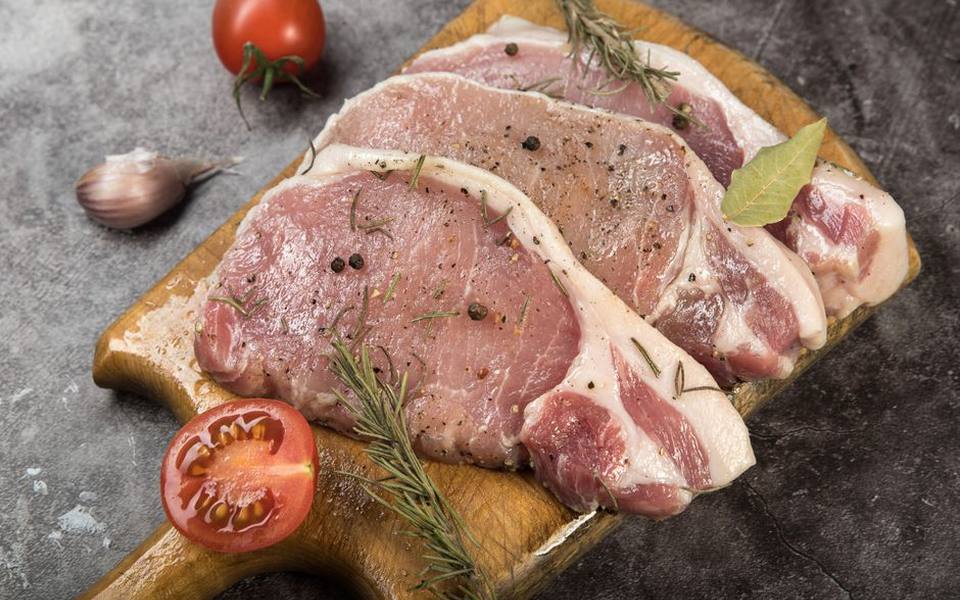
In the butcher case, a standard Boston butt pork roast appears as a thick, rectangular block weighing anywhere from six to ten pounds. It is frequently sold bone-in, containing the flat, triangular paddle bone of the shoulder blade, though boneless variations are equally common. Because this muscle group sits higher on the leg, it bears slightly less weight than the lower leg, giving it a finer grain and exceptionally consistent internal marbling.
Butchers widely consider the butt the absolute gold standard cut for pulled pork because of this balanced marbling. As heat gradually penetrates the roast over several hours, the abundant collagen melts into rich gelatin that moistens every pulled strand. Unlike leaner cuts that dry out if kept warm too long, a properly prepared butt stays succulent for hours after it finishes cooking.
The Lower Half: What Is Picnic Shoulder?
The picnic shoulder, or picnic ham, sits directly beneath the butt and extends down to just above the pig's front hock. This cut carries more working connective tissue and tendons because it handles the direct mechanical movement of walking. As a result, the meat has a slightly denser, grainier texture than the upper shoulder, but it delivers an intense, deeply savory pork flavor that stands up well to heavy spices.
You can easily spot a picnic cut by its distinct conical shape and the presence of exterior skin, which butchers typically leave attached over the lower half of the roast. It contains the upper arm bone rather than the shoulder blade. Because skin-on roasts trap moisture well, cooks who enjoy making crisp crackling alongside shredded pork often prefer the picnic cut over a standard skinless Boston butt roast.
At the counter, picnic cuts are generally priced slightly lower per pound than butt roasts because they contain a higher proportion of bone, skin, and connective trim. When calculating your serving yield, keep in mind that skin and dense leg bones will reduce the final edible meat by roughly twenty to thirty percent. If you plan to make standard pulled sandwiches, the extra prep work of removing the tough skin after cooking is a factor to weigh.
The Truth About Country-Style Pork Ribs
Despite what their name suggests, country style ribs are not genuine ribs at all. True pork ribs come from either the lower rib cage near the belly, known as spare ribs, or the upper rib cage along the spine, known as baby backs. Country-style cuts are actually thick, meaty steaks or strips sliced directly from the forward blade end of the pork loin or the upper edge of the Boston butt.
Butchers created this cut decades ago as a practical way to market the irregular, fatty end where the loin transitions into the shoulder. When pork chops cut from this transitional zone looked too marbled or irregularly shaped for traditional retail display, shops portioned them into hearty, rib-shaped strips. The result is a cut that carries significantly more meat than traditional ribs, offering the rich flavor of a pork roast with the finger-food appeal of ribs.
Because these cuts come from the boundary between the tender loin and the hardworking shoulder, their texture can vary slightly depending on how the shop butchers them. Strips cut closer to the shoulder blade feature darker, richer meat with more seam fat, while those cut further back into the loin are leaner and behave more like thick-cut pork chops. Always examine the color and grain at the counter to understand which section you are getting.
Bone-In Versus Boneless Country-Style Cuts
When purchasing country pork ribs, you will encounter both bone-in and boneless packages, and they are not completely interchangeable. Bone-in cuts generally include sections of the shoulder blade bone or small fragments of the upper rib bones near the spine. These bones help the meat hold its structural shape during long braises and impart subtle richness into cooking liquids, though they require a bit of navigating at the dinner table.
Boneless country ribs, by contrast, are typically sliced purely from the muscular cushion of the upper shoulder butt or the sirloin end. They offer maximum convenience for family dinners since every ounce in the package is pure edible meat with zero waste. However, boneless cuts sliced from the loin end rather than the butt have less internal marbling, making them prone to drying out if exposed to direct heat without sufficient moisture.
If your recipe calls for prolonged braising or slow cooking, seek out cuts showing darker red meat and obvious white marbling lines. Slices that appear pale pink and uniformly lean will benefit from shorter cook times or acidic marinades to keep them tender. Many custom-cut butcher shops will gladly slice these to your preferred thickness right from a fresh shoulder butt upon request.
What to Look for at the Butcher Counter
Selecting the right cut begins with assessing color, firmness, and moisture level. High-quality pork should display a healthy reddish-pink hue rather than a pale, washed-out grey appearance. Look for clean, creamy white fat rather than fat with a yellow or dull tint, which indicates age. The package or tray should be relatively dry; meat swimming in excessive reddish liquid often indicates previously frozen stock or improper storage temperatures.
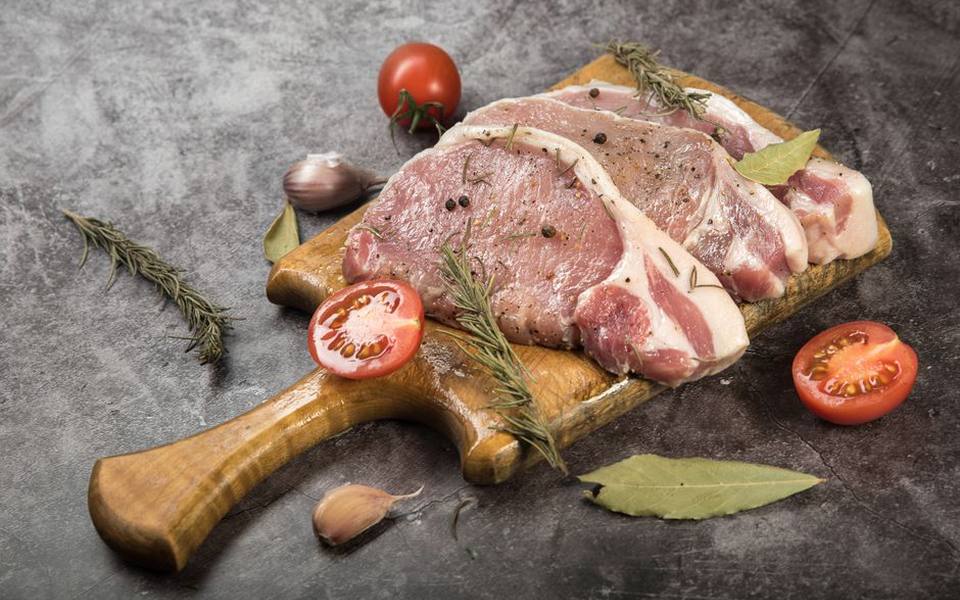
For roasts intended for pulled pork, check the exterior fat cap. A quality Boston butt should have an even fat layer roughly one-quarter to one-half inch thick covering one side. This protective layer acts as a natural basting mechanism as it slowly renders during cooking. If the fat cap has been trimmed down to bare muscle, ask the butcher if they have an untrimmed roast in the walk-in cooler to preserve that essential moisture shield.
Feel the density of the roast through the wrapping if possible. A good shoulder roast feels dense and firm to the touch, not spongy or soft. If you are shopping in regions famous for slow-cooked pork, such as visiting traditional counters in North Carolina, you will often find butchers who specialize in whole shoulders cut specifically to preserve the natural ratio of lean meat to basting fat.
Preparation, Trimming, and Seasoning Basics
Before applying any seasonings, take time to evaluate the exterior fat cap on your shoulder roast. While fat is essential for flavor, an excessively thick layer over half an inch will prevent your dry rub from penetrating the actual meat and will result in greasy pan juices. Use a sharp boning knife to trim down any hard, waxy exterior fat deposits while leaving a consistent, thin protective layer across the muscle.
Scoring the remaining fat cap in a crosshatch pattern down to the meat surface encourages rendering and allows your seasoning rub to anchor deeply into the tissue. Salt is the single most critical ingredient in any dry rub because it is one of the few seasonings capable of penetrating deep into thick pork muscle. Applying coarse kosher salt at least twelve hours prior to cooking draws out surface moisture, dissolves, and reabsorbs into the meat fibers.
For country-style cuts, excessive trimming is rarely necessary unless you spot loose dangling pieces that might burn during cooking. Pat the meat thoroughly dry with paper towels to ensure rubs adhere properly rather than slipping off in a wet glaze. A light coat of yellow mustard, neutral oil, or hot sauce can serve as an effective binder without altering the final savory flavor of the meat once cooked.
Low and Slow: Oven Roasting and Smoking
Cooking a slow cooked pork butt to absolute tenderness requires patience, low heat, and an accurate digital thermometer. Whether working in an outdoor smoker or a standard kitchen oven, keeping the ambient temperature between 225 and 275 degrees Fahrenheit provides the gentle environment necessary for collagen breakdown. Expect a whole six-to-eight-pound roast to take roughly eight to twelve hours depending on airflow and cooking vessel heat stability.
Between 150 and 170 degrees Fahrenheit, large roasts typically hit a phenomenon known as the stall, where surface evaporation cools the meat as quickly as the ambient heat warms it. This plateau can last for hours and is completely normal. Pitmasters in heavy barbecue states like Texas often wrap the roast tightly in butcher paper or aluminum foil at this stage to power through the stall while locking in steam and moisture.
Never pull a shoulder roast based strictly on time; rely exclusively on internal meat temperature and physical feel. Pork butt is fully tender when an internal probe reads between 200 and 205 degrees Fahrenheit and slides into the center with virtually zero resistance, like warm butter. Once removed from the heat, allow the roast to rest covered for at least forty-five minutes so the internal juices settle before you begin shredding.
Crock Pot Methods for Boston Butt
A crock pot pork butt is one of the most reliable and hands-off ways to prepare shredded meat for sandwiches, tacos, or meal prep. Because a slow cooker operates as a closed, humid environment with zero moisture loss, you do not need to submerge the meat in liquid. Adding as little as a half cup of broth, apple cider vinegar, or crushed aromatics like onions and garlic in the bottom of the basin is plenty to start the braising process.
Place the roast into the ceramic insert with the fat cap facing upward. As the heating elements warm the pot, the fat melts and slowly bastes the entire cut from the top down. Cooking on the low heat setting for eight to ten hours is vastly superior to the high setting for four to five hours. Gentle heat gives the internal sinew time to dissolve gradually without boiling and tightening the delicate meat proteins.
Once finished, lift the roast out onto a large rimmed baking sheet rather than attempting to shred it directly inside the slow cooker liquid. The bottom of the pot will hold a large volume of rendered fat and liquefied juices. Shred the pork using two large forks, discard any remaining pockets of soft fat or cartilage, and ladle back just enough of the seasoned cooking broth to moisten the pulled strands without making them soggy.
Cooking Country-Style Ribs in the Crock Pot
Making country style crock pot ribs yields fall-apart tender results with minimal effort, provided you manage the cooking liquid properly. Because country pork ribs are sliced into smaller individual portions than a whole roast, they expose far more surface area to heat and can overcook faster than a whole shoulder. Arranging them in a single slightly overlapping layer ensures every piece cooks at an even rate throughout the cycle.
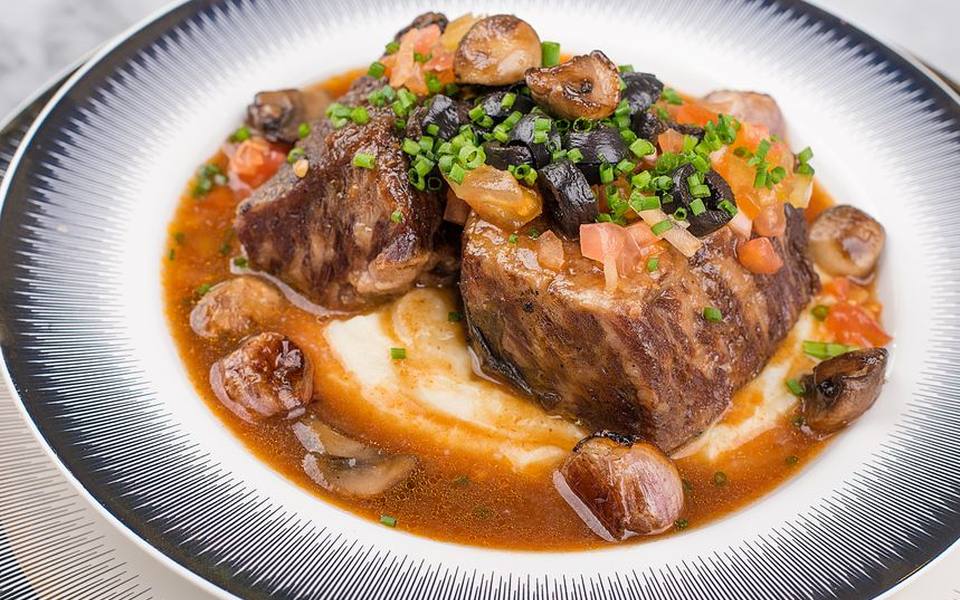
A classic country style rib recipe relies on a well-balanced braising base that marries sweetness, acidity, and savory spices. Whisk together barbecue sauce, cider vinegar, brown sugar, Worcestershire sauce, and smoked paprika, pouring it generously over the meat to coat every crevice. When making country ribs crock pot style, cook on the low setting for roughly five to six hours; avoid high heat, which can cause the leaner muscle edges to become stringy and tough.
For an authentic sticky exterior, remove the tender ribs from the slow cooker once they reach fork tenderness and transfer them to a foil-lined baking sheet. Brush them liberally with the concentrated sauce from the bottom of the pot, or fresh barbecue sauce, and place them beneath an oven broiler for three to five minutes. This quick step caramelizes the sugars and mimics the charred, glossy finish of grilled barbecue ribs.
Portioning, Yields, and Storing Leftovers
Estimating how much raw pork to purchase requires accounting for bone weight and the natural moisture loss that occurs during long cooking sessions. As a baseline guideline, pork shoulder roasts shrink by approximately thirty to forty percent during extended roasting or braising as fat and water render out. If you aim to serve one-third to one-half pound of cooked meat per adult guest, purchase roughly three-quarters of a pound to one pound of raw, bone-in shoulder per person.
For boneless country ribs, shrinkage is slightly lower because you are not paying for structural bone weight, meaning a half-pound per person generally satisfies hungry diners. If you are balancing a family budget, checking pricing across local purveyors in the comprehensive independent butcher directory can help you find shops offering whole-case shoulder specials or volume discounts on custom cutting.
Leftover cooked pork freezes exceptionally well if sealed correctly to prevent freezer burn. Package shredded pork or sliced country ribs tightly in freezer-grade bags along with a few spoonfuls of cooking broth to keep the meat fibers lubricated during thawing. In a standard home freezer, cooked pork maintains top eating quality for three to four months; simply thaw overnight in the refrigerator and warm gently in a covered skillet with a splash of broth.
Published 2026-09-20 · reviewed with each rebuild, last September 2026.
Find butcher shops near you
The directory lists 13,556 butcher shops by state and city — pick your state or use the “Near me” button in the header.
More guides
-
 Buying
Flank Steak vs. Skirt Steak: The Complete Flat Cut Guide
-
 Storage
Storing Fresh Meat and Deli Cuts: Refrigerator and Freezer Timelines
-
 Money
MoneyUnderstanding Beef Prices: Retail Costs, Hanging Weight, and Bulk Buying
-
 Buying
Ribeye vs. New York Strip: Flavor, Marbling, and Texture Compared
-
 Storage
Freezer and Fridge Meat Storage Guide: Shelf Life, Freezing, and Safety
-
 Buying
Ribeye vs. New York Strip: Cut Comparison, Flavor, and Texture
-
 Buying
A Complete Guide to Roasting Prime Rib and Navigating the Butcher Counter
-
 Money
MoneyUnderstanding Beef Costs: From Everyday Retail Cuts to Bulk Whole Cattle Purchases
-
 Owning
Essential Butcher Tools: Meat Thermometer Buying Guide and Knife Sharpening
-
 Buying
Complete Guide to Beef Tenderloin and Filet Mignon
-
 Buying
Bistro Steaks: How to Choose, Prep, and Grill Flank, Flat Iron, Hanger, and Bavette
-
 Buying
Beef Short Ribs, Plate Ribs, and Flanken Cut Guide
-
 Buying
A Guide to Cornish Game Hens, Guinea Fowl, and Specialty Poultry
-
 Buying
Chorizo, Andouille, and Specialty Artisan Sausages: A Practical Guide to World Styles
-
 Buying
Butcher's Guide to Ribeye, Tomahawk, Cowboy, and Chuck Eye Steaks
-
 Buying
A Guide to Offal, Beef Tallow, Bone Marrow, and Specialty Cuts
-
 Buying
A Butcher's Guide to Deli Meats, Cured Cuts, and Charcuterie Selection
-
 Owning
Butcher Tools Guide: Thermometers, Knife Sharpening, and Essential Supplies
-
 Buying
Corned Beef Brisket: Cut Selection, Home Curing, and Cooking Guide
-
 Buying
Beef Short Ribs and Korean Kalbi Buying and Cooking Guide
-
 Buying
Grass-Fed Beef, Pasture-Raised Meat, and Clean Meat Sticks: A Buyer's Guide
-
 Buying
Pork Spare Ribs, St. Louis, and Country-Style Ribs Guide
-
 Storage
The Practical Guide to Dry Aging Beef at Home and Choosing Equipment
-
 Owning
Butcher's Guide to Rich Chicken Broths and Regional Homemade Soups
-
 Buying
Bacon-Wrapped Jalapeño Poppers: A Complete Butcher's Guide
-
 Buying
A Butcher's Guide to Pork Sirloin Roasts, Stuffed Chops, and Crown Cuts