Understanding Where Beef Short Ribs Come From
Beef short ribs do not come from a single narrow spot on the steer, which is why shopping for them can feel confusing when looking through meat display cases. In standard American beef fabrication, ribs are separated into primal sections that yield distinctly different textures, thicknesses, and fat distributions. A steer has thirteen ribs on each side, but short ribs primarily originate from the lower chest and abdominal area spanning the chuck, brisket, and short plate primals.
The chuck short ribs come from ribs two through five, tucked right underneath the chuck shoulder blade. These bones tend to have generous pockets of lean meat intermingled with dense marbling and thick bands of connective tissue, making them remarkably rich when cooked down slowly. Because chuck ribs are naturally layered with distinct muscle groups, they often yield thick, squarish blocks that home cooks recognize as classic pot-roast-style portions.
Further down the rib cage lie the plate short ribs, which span ribs six, seven, and eight. This is the anatomical gold standard for rich, uniform meat coverage sitting squarely on top of wide, flat bones. Plate ribs carry significantly more intramuscle fat and an uninterrupted slab of beefy grain, which is why barbecue enthusiasts covet them for all-day smoking over wood.
Understanding which section your butcher pulled the ribs from changes how you approach the stove or the grill. Chuck short ribs are somewhat leaner between fat seams and fit neatly into standard Dutch ovens, while plate ribs require ample space and extended rendering time to soften their heavy internal collagen matrices.
English Cut Versus Flanken Cut Ribs
The difference between an English cut and a flanken cut comes down entirely to how the butcher positions the saw against the bone structure. In an English cut, the saw runs parallel between the rib bones, dividing the rack into individual bone-in portions that are typically cut between two and four inches in length. This creates substantial, thick cubes of beef resting on a single sturdy bone foundation, which holds together beautifully during hours of liquid braising.
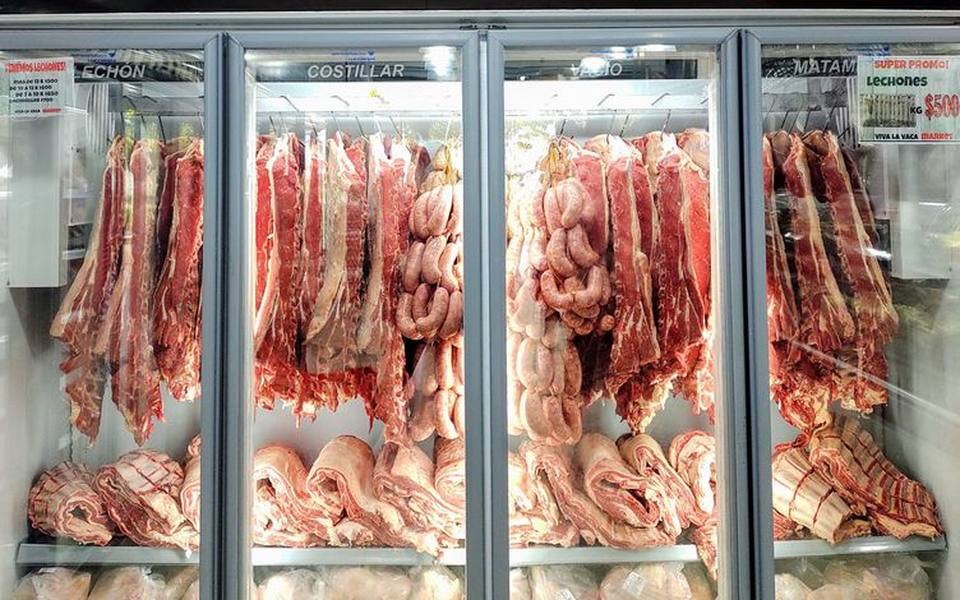
Flanken-style ribs, often called Korean-style ribs or galbi cuts, are created by running the saw completely across the bones against the grain of the meat. This process produces thin strips of beef roughly a third of an inch to a half inch thick, dotted with three or four cross sections of oval bone segments. Cutting across the grain naturally mechanically tenderizes the muscle fibers, allowing this traditionally tough cut to be grilled rapidly over direct flame without turning chewy.
Both cuts come from identical rib sections—frequently the chuck or the plate—meaning the fat ratio and beefy intensity remain equivalent between them. Your choice between them depends almost entirely on the cooking environment, your timeline, and whether you want a deep, braised interior or a charred, caramelized exterior.
Some shops also offer boneless short ribs, which are stripped from the bone and trimmed into uniform fingers of meat. While convenient for searing and slicing, boneless cuts sacrifice the gelatin and marrow richness that bone-in portions leach into cooking liquids over long simmering times.
The Appeal of Whole Dinosaur Plate Ribs
In traditional butcher terminology, a full, three-bone untrimmed section of ribs six through eight is classified under institutional meat specifications as cut 123A. In casual pitmaster circles, these mammoth cuts are commonly known as dinosaur ribs or plate short ribs. Unlike smaller portions divided for supermarket trays, a whole three-bone plate can weigh anywhere from five to eight pounds, carrying an uninterrupted cap of meat up to two inches thick across the bones.
This specific cut gained legendary status through the Central Texas pit barbecue tradition, where cooks needed massive, forgiving cuts of beef that could withstand ten to twelve hours of clean wood smoke without dehydrating. Smokehouses across regions like Texas butcher shops frequently reserve these whole three-bone plates specifically for backyard smokers seeking maximum bark formation and rendered fat cap presentation.
Cooking a whole plate requires significant patience because the meat is wrapped in a tough silverskin and sits on an exceptionally dense bottom membrane. As the smoker maintains gentle heat, the copious marbling slowly liquefies, self-basting the thick muscle grain until the entire slab jiggles like gelatin when nudged. Slicing between those huge bones yields singular portions large enough to serve an entire dinner plate.
Sourcing dinosaur ribs usually requires speaking directly with your butcher rather than picking up pre-wrapped trays, as grocers routinely break down whole plates into English-style blocks or thin flanken strips to maximize retail turnover.
What to Look for at the Butcher Counter
When inspecting short ribs in the display case, the first visual indicator to evaluate is the balance between meat and external fat. High-quality short ribs should display a generous, dense layer of deep red meat sitting prominently above the bone, patterned with fine webbing of white intramuscular marbling. Avoid packages where the bone makes up more than half the total profile or where a massive, spongy external fat cap obscures the actual meat surface.
Color serves as an immediate tell for freshness and animal diet. Look for bright ruby to deep garnet lean tissue, accompanied by firm, pearlescent white fat rather than yellowed or graying edges. A slight dulling can occasionally happen if meat is vacuum-sealed without oxygen contact, but exposed retail cuts should always present a clean, clean-smelling surface without excessive pooling of purplish purge liquid in the tray.
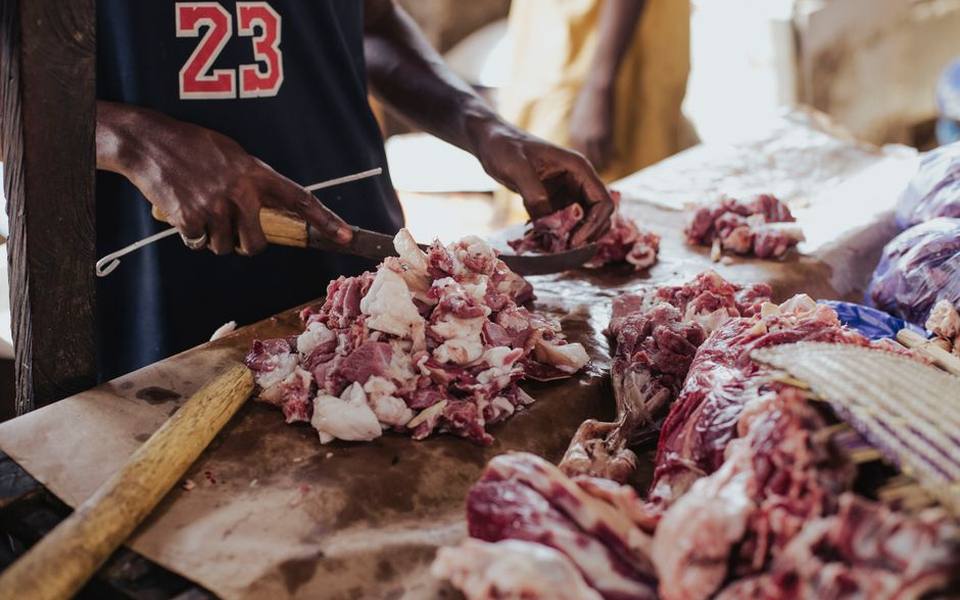
Communicating directly with your butcher allows you to specify bone length and section origin according to your planned recipe. Working with specialized purveyors through custom-cut butcher shops ensures you can ask for bone-in English blocks cut specifically to three inches for uniform braising pots, or requesting thin flanken strips trimmed cleanly of excess surface tallow.
Shoppers seeking certified religious processing can also locate dedicated halal butcher counters that source whole grain-fed beef ribs handled strictly according to halal dietary guidelines while maintaining prime-grade marbling standards.
Understanding Pricing and Meat Grading
Short rib prices fluctuate considerably depending on regional wholesale cattle markets, grading classifications, and consumer demand shifts throughout the seasons. Historically considered an economical butcher trim cut, the popularity of restaurant braises and competitive barbecue has pushed short ribs into premium territory, often rivaling traditional ribeye steaks on a cost-per-pound basis in many urban meat counters.
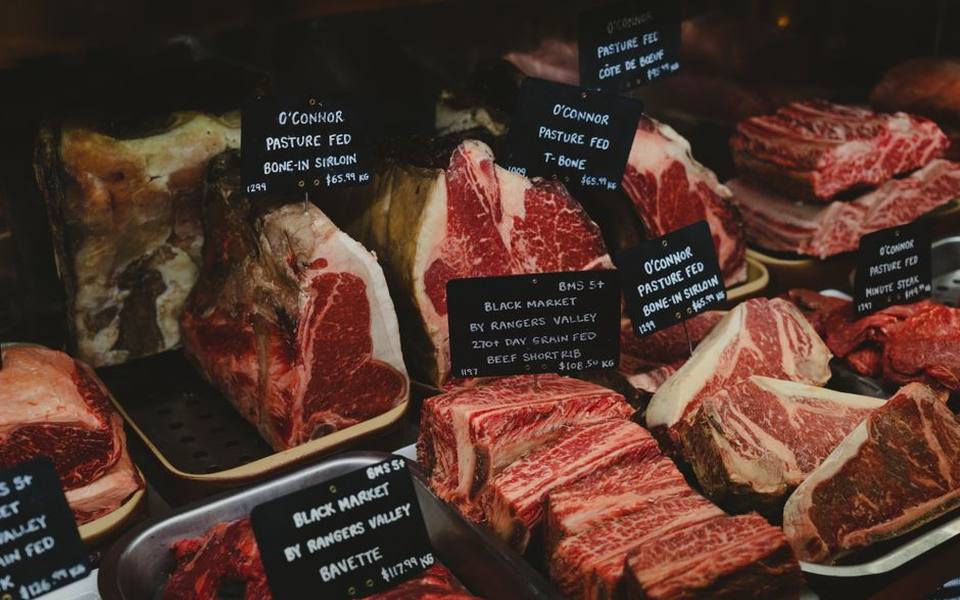
The United States Department of Agriculture grading scale directly impacts the tenderness and eating experience of any beef rib cut. Select-grade ribs carry minimal internal marbling and run the risk of tasting stringy or dry after prolonged cooking. Choice-grade ribs provide a dependable baseline with balanced marbling suitable for weekday braises, while Prime-grade cuts showcase heavy, snowy flecks of fat that render into an extraordinarily silky mouthfeel.
Some butcher shops also offer specialty aged selections; exploring dry-aged beef options reveals ribs with intensified nutty, savory flavor profiles where natural moisture loss concentrates beef essence prior to cooking. While dry-aging adds to the shelf cost per pound, the resulting depth of flavor stands out dramatically in reductions and pan gravies.
Keep in mind that purchasing bone-in cuts means a significant percentage of the total package weight is skeletal bone rather than edible protein. When estimating portions for dinner guests, planning on roughly one pound to one and a quarter pounds of bone-in short ribs per person typically yields an appropriate cooked serving.
The Chemistry of Low and Slow Cooking
The reason short ribs require specialized cooking techniques lies in their heavy structural burden on the living animal. Because these rib sections support the chest cavity and assist in locomotive breathing mechanics, their muscle fibers are reinforced by an extensive network of insoluble connective tissue, predominantly Type I collagen. Attempting to cook an English short rib quickly like a standard loin steak results in a tough, unchewable piece of meat.
Collagen transformation begins slowly around 140 degrees Fahrenheit and accelerates dramatically as internal temperatures rise between 160 and 180 degrees. In this thermal window, the rigid triple-helix protein fibers unravel and hydrolyze into gelatin. Gelatin has the remarkable ability to absorb up to ten times its weight in water, coating individual muscle strands in rich moisture that gives well-cooked ribs their luxurious, melting mouthfeel.
However, melting collagen takes sustained time alongside controlled ambient moisture or gradual radiant heat. Rushing the process with aggressive boiling or excessively high oven temperatures causes the outer muscle sheaths to contract violently, squeezing out natural cellular juices before the interior collagen has adequate time to convert. A steady, gentle cooking environment ensures deep tenderness without stringiness.
Techniques for Braised Beef Short Ribs
A classic braise transforms thick English-cut short ribs into fork-tender centerpieces coated in a rich, deeply concentrated sauce. The foundation of any braise begins with a vigorous, high-heat sear in a heavy cast iron Dutch oven. Seasoning the meat generously with coarse salt and searing every side until a dark, mahogany crust forms creates complex savory compounds through the Maillard reaction, which directly flavors the braising liquid later.
Once the ribs are browned and set aside, the residual rendered fat serves as the base for softening diced aromatics like onions, carrots, celery, and whole smashed garlic cloves. Scraping up the fond—the browned bits caramelized against the bottom of the pot—with a splash of dry red wine, beef stock, or aromatic vinegar dissolves those concentrated flavors back into the sauce.
To achieve balanced braised beef spare ribs or short ribs, the liquid level should come roughly halfway to two-thirds up the sides of the standing ribs rather than submerging them completely. Leaving the top surface of the meat exposed to the humid oven air allows the crust to stay intact while the submerged section gently simmers. Tightly covering the vessel and transferring it to an oven heated around 300 degrees Fahrenheit produces steady, even heat circulation.
Braising typically requires between two and a half to four hours, depending entirely on bone density and cut thickness. You know the ribs are ready when a metal skewer or paring knife glides through the thickest muscle section with zero mechanical resistance, and the bone starts protruding noticeably from the shrinking meat.
Making Beef Short Ribs in a Slow Cooker
Using an electric countertop slow cooker provides a reliable, hands-off path for preparing braised beef short ribs on busy schedules. While the slow cooker excels at maintaining steady, low-simmering temperatures over six to eight hours, cooks must account for the device's moisture retention. Because the sealed lid traps all escaping steam, liquids do not evaporate or concentrate the way they do in a conventional oven braise.
To prevent a dilute, greasy sauce, it is best practice to sear the seasoned ribs in a skillet before transferring them to the slow cooker crock. This brief initial browning step locks in surface flavor and renders off a portion of loose surface tallow, which can be discarded instead of muddying the slow-cooker base. Layer your hearty aromatics across the bottom of the crock so the meat rests slightly elevated above accumulated cooking oils.
Add only a modest amount of flavorful liquid—such as a single cup of rich beef bone broth mixed with crushed tomatoes and herbs—rather than flooding the crock. On the low setting, eight hours of gentle heat allows internal collagen to liquefy completely, producing remarkably tender meat that pulls cleanly from the bone without requiring active monitoring throughout the day.
When cooking concludes, the braising liquid will likely hold a distinct layer of clear rendered beef tallow floating across the top. Skimming this fat off with a broad ladle or running the strained pan juices through a fat separator before serving ensures the resulting sauce is velvety and luxurious rather than heavy.
Grilling Beef Flanken Cuts for Korean Galbi
While thick English cuts require hours of liquid immersion, thin beef flanken cuts thrive on explosive direct heat over a charcoal grill or cast iron grill pan. Because the flanken cut severs muscle fibers horizontally across the bone, the meat possesses a distinct chew that softens rapidly under high temperatures without needing hours of collagen conversion. This cut forms the centerpiece of traditional Korean galbi recipes found across butcher shops in California and urban centers nationwide.
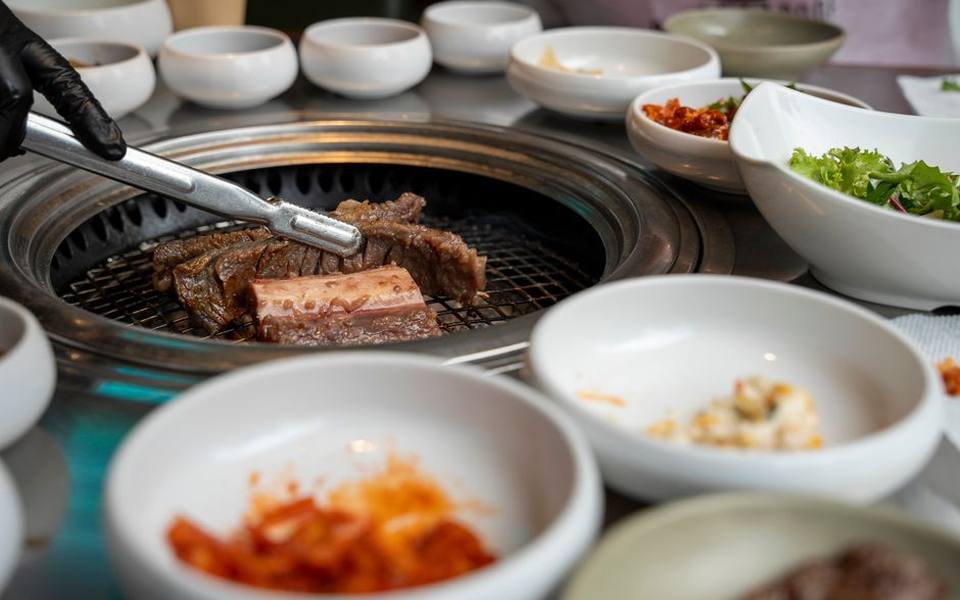
Preparing flanken cuts almost always starts with an enzymatic and savory marinade. A classic mixture incorporates soy sauce, toasted sesame oil, brown sugar, minced garlic, ginger, scallions, and pureed Asian pear or kiwi. The natural enzymes in raw pear or kiwi act as active meat tenderizers, breaking down surface proteins over a four to twelve-hour soak in the refrigerator without turning the meat mushy.
Grilling flanken demands a roaring hot cooking surface. Lay the thin strips directly over the coals or hottest burner, cooking them for only three to four minutes per side. The sugary marinade will bubble, caramelize, and char quickly, creating crispy blackened edges against the rich, juicy interior ribbons of fat.
Serve flanken strips sizzling hot right off the grate, typically accompanied by kitchen shears so diners can snip the strip into bite-sized morsels surrounding each mini bone segment. The contrast between sweet soy glaze, charred fat, and tender rib meat makes it one of the quickest and most rewarding preparations for short rib cuts.
Trimming, Fat Separation, and Make-Ahead Storage
One of the greatest culinary advantages of braising short ribs is that their flavor and texture notably improve when prepared a day ahead. When ribs cool overnight in their braising juices, the meat fibers relax and absorb aromatic liquid back into their structure, resulting in a significantly juicier bite upon reheating than meat served straight out of the hot oven.
Chilling the braise overnight in the refrigerator also solves the challenge of excess fat management. As the vessel cools below room temperature, the heavy rendered beef tallow rises to the surface and solidifies into a firm, white, opaque disc. You can cleanly lift this fat layer off with a spatula in seconds, leaving behind pure, unadulterated gelatinous broth that can be reduced down into a glossy, restaurant-quality glaze.
For fresh raw ribs purchased ahead of time, store them in the coldest section of the refrigerator and cook them within three to five days of purchase. If you need to freeze raw short ribs, wrap them tightly in butcher paper followed by heavy-duty vacuum seal bags to eliminate air pockets, which protects against freezer burn for up to nine to twelve months.
When reheating your cooked ribs, warm them gently in a covered saucepan over medium-low heat or in a 325-degree oven for twenty to thirty minutes, basting periodically with the thinned sauce. Avoid microwave reheating, which rapidly dries out the delicate gelatin matrix and leaves the beef fibers stringy.
Published 2026-09-20 · reviewed with each rebuild, last September 2026.
Find butcher shops near you
The directory lists 13,556 butcher shops by state and city — pick your state or use the “Near me” button in the header.
More guides
-
 Buying
Flank Steak vs. Skirt Steak: The Complete Flat Cut Guide
-
 Storage
Storing Fresh Meat and Deli Cuts: Refrigerator and Freezer Timelines
-
 Money
MoneyUnderstanding Beef Prices: Retail Costs, Hanging Weight, and Bulk Buying
-
 Buying
Ribeye vs. New York Strip: Flavor, Marbling, and Texture Compared
-
 Storage
Freezer and Fridge Meat Storage Guide: Shelf Life, Freezing, and Safety
-
 Buying
Ribeye vs. New York Strip: Cut Comparison, Flavor, and Texture
-
 Buying
A Complete Guide to Roasting Prime Rib and Navigating the Butcher Counter
-
 Money
MoneyUnderstanding Beef Costs: From Everyday Retail Cuts to Bulk Whole Cattle Purchases
-
 Owning
Essential Butcher Tools: Meat Thermometer Buying Guide and Knife Sharpening
-
 Buying
Complete Guide to Beef Tenderloin and Filet Mignon
-
 Buying
Bistro Steaks: How to Choose, Prep, and Grill Flank, Flat Iron, Hanger, and Bavette
-
 Buying
A Guide to Cornish Game Hens, Guinea Fowl, and Specialty Poultry
-
 Buying
Chorizo, Andouille, and Specialty Artisan Sausages: A Practical Guide to World Styles
-
 Buying
Butcher's Guide to Pork Shoulder, Boston Butt, and Country-Style Ribs
-
 Buying
Butcher's Guide to Ribeye, Tomahawk, Cowboy, and Chuck Eye Steaks
-
 Buying
A Guide to Offal, Beef Tallow, Bone Marrow, and Specialty Cuts
-
 Buying
A Butcher's Guide to Deli Meats, Cured Cuts, and Charcuterie Selection
-
 Owning
Butcher Tools Guide: Thermometers, Knife Sharpening, and Essential Supplies
-
 Buying
Corned Beef Brisket: Cut Selection, Home Curing, and Cooking Guide
-
 Buying
Beef Short Ribs and Korean Kalbi Buying and Cooking Guide
-
 Buying
Grass-Fed Beef, Pasture-Raised Meat, and Clean Meat Sticks: A Buyer's Guide
-
 Buying
Pork Spare Ribs, St. Louis, and Country-Style Ribs Guide
-
 Storage
The Practical Guide to Dry Aging Beef at Home and Choosing Equipment
-
 Owning
Butcher's Guide to Rich Chicken Broths and Regional Homemade Soups
-
 Buying
Bacon-Wrapped Jalapeño Poppers: A Complete Butcher's Guide
-
 Buying
A Butcher's Guide to Pork Sirloin Roasts, Stuffed Chops, and Crown Cuts