The Science and Transformation Behind Dry Aging
Dry aging is a controlled biological process that alters both the texture and flavor profile of whole muscle beef. When beef rests in a climate-controlled setting, naturally occurring enzymes begin breaking down tough muscle fibers and structural connective tissues. At the same time, moisture steadily evaporates from the exterior surface, which concentrates the natural juices and proteins inside the meat.
The flavor of freshly slaughtered beef is often clean, mild, and distinctly iron-forward. In contrast, properly aged beef develops complex aromatic compounds reminiscent of brown butter, toasted hazelnuts, and occasionally mild blue cheese. These flavor nuances develop over weeks rather than days, driven by the metabolic action of harmless microbial cultures and cellular enzyme activity working deep within the muscle.
Moisture loss plays a pivotal role in changing the eating quality of the cooked steak. As water evaporates through the surface, the remaining muscle fibers shrink slightly, concentrating beef savory notes. The exterior develops a hard, dark rind that protects the inner meat from rapid spoilage, allowing the interior muscle to tenderize progressively without rotting or becoming contaminated.
Understanding the Differences Between Wet and Dry Aging
Most supermarket steaks undergo wet aging, which takes place inside airtight vacuum bags directly after packing. During wet aging, natural enzymes tenderize the muscle fibers while moisture remains trapped inside the plastic package. Because water cannot evaporate, the weight of the cut remains identical, making it an economical choice for industrial meat packers and high-volume grocery chains.
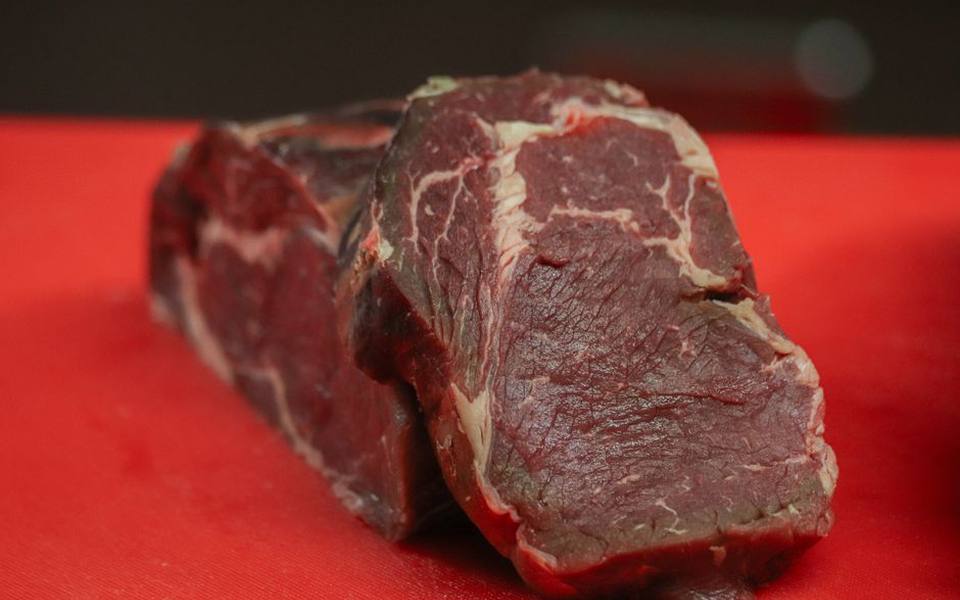
While wet-aged beef becomes noticeably tender, it often retains a distinct metallic or slightly sour flavor caused by sitting in its own purged lactic acid. The meat produces significant liquid in the pan during cooking, which can prevent an even, deeply caramelized crust from forming. Wet aging tenderizes efficiently, but it cannot duplicate the dense, concentrated profile found in traditional steak aging.
Dry aging takes the opposite approach by exposing unsealed primal cuts directly to circulating, conditioned air. This exposure produces significant evaporative weight reduction and requires trimming away the protective outer shell prior to cooking. While this double loss increases the final cost per pound, the payoff is a rich texture and roasted aroma that wet packaging simply cannot replicate.
Selecting the Right Primal Cuts for the Aging Process
Attempting to dry age an individual strip steak or ribeye at home will always end in failure. Single steaks possess too much surface area relative to their volume, meaning the desiccation process turns the entire piece into rock-hard jerky before enzymatic tenderization can occur. Successful home projects always begin with whole subprimals that weigh anywhere from twelve to twenty pounds.
Bone-in prime ribs, whole strip loins, and short loins represent the most dependable options for home aging. The intact ribs and external fat cap serve as sacrificial layers that shield the valuable muscle underneath from excessive dehydration. When trimming time arrives, removing the fat cap and bone leaves behind far more pristine, usable steak than trimming an entirely denuded, lean cut.
Sourcing large, untrimmed cuts usually requires speaking directly with wholesale purveyors or visiting custom-cut butcher shops that receive boxed subprimals directly from packing plants. Request a cut with a thick, intact fat cover and avoid cuts that have already been broken down, injected with saline solutions, or pre-trimmed for consumer retail display cases.
Why Standard Kitchen Refrigerators Fall Short
Many beginners assume they can clear a shelf in their primary kitchen refrigerator, set an unwrapped roast on a wire rack, and let it age for a month. In practice, this shortcut almost always spoils the meat or imparts foul off-flavors. Domestic refrigerators open dozens of times a day, causing sudden temperature spikes and introducing household bacteria, moisture, and odors.
A standard kitchen appliance is designed to preserve leafy greens, condiments, and leftovers by circulating moist or uncalibrated air across different compartments. Beef fat absorbs airborne volatile aromas like a sponge; aging an exposed subprimal alongside cut onions, cheese, and cooked leftovers will permanently taint the meat with an unpalatable, stale refrigerator taste.
Furthermore, domestic kitchen units rarely hold the narrow temperature band required to keep raw beef safe for thirty to sixty days. The frequent door swings push interior temperatures above forty degrees Fahrenheit for extended periods, creating a prime environment for opportunistic foodborne pathogens rather than beneficial, slow-working meat enzymes.
Dedicated Meat Aging Refrigerators and Mechanical Controls
A specialized beef dry ager provides the exact microclimate needed for long-term aging without continuous human intervention. These purpose-built appliances feature commercial-grade compressors, precise digital thermostats, and sealed glass doors with ultraviolet protection. They maintain consistent internal temperatures, typically holding between thirty-four and thirty-eight degrees Fahrenheit regardless of ambient room fluctuations.
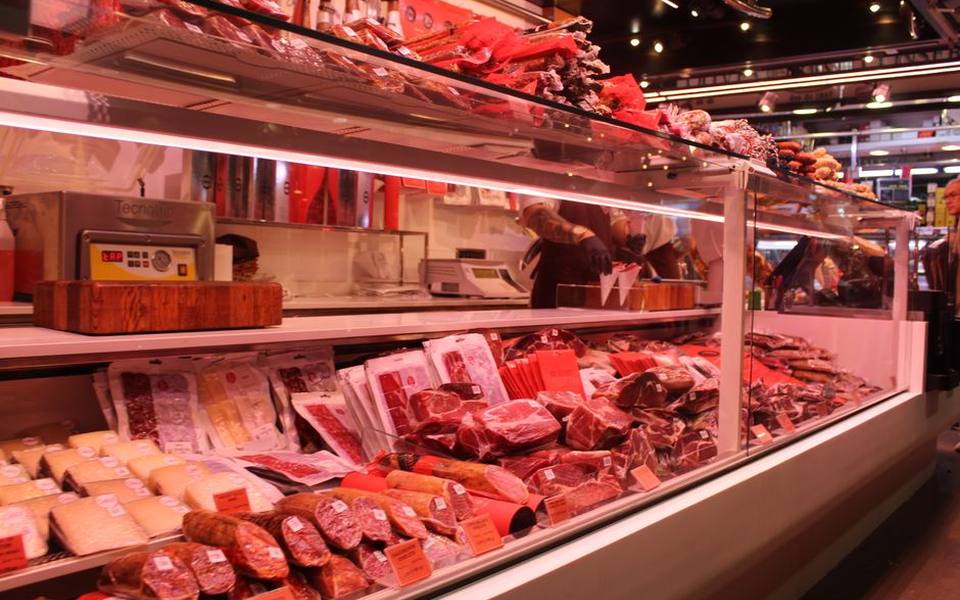
Beyond cooling, a dedicated steak aging refrigerator incorporates active airflow systems and integrated humidity regulation. Internal fans keep air moving evenly around the entire subprimal, ensuring the outer surface dries rapidly to form an impermeable protective crust. Some premium units also feature integrated germicidal ultraviolet lamps that sterilize the circulating air and prevent wild mold spores from establishing colonies on the meat.
For enthusiasts unwilling to purchase a turnkey beef ager, converting a secondary bar fridge or beverage cooler is a popular alternative. This setup requires installing an external dual-relay digital temperature controller, a small circulation fan, and an internal dehumidifier or air baffle. While conversion projects require careful monitoring and calibration, they offer a functional bridge between rudimentary methods and high-end commercial cabinets.
Using Moisture-Permeable Bags in Secondary Coolers
Moisture-permeable aging bags provide a reliable, low-barrier entry point for dry aging beef at home. These specialty bags are manufactured from a unique polymer membrane that bonds to the protein on the meat surface. Water vapor can escape outward through the microscopic pores of the film, but oxygen transfer is restricted and airborne bacteria cannot penetrate inward.
To use membrane bags successfully, the meat must be placed inside and vacuum-sealed with minimal air pockets, allowing the polymer to maintain direct contact with the meat. Because the bag creates a sterile micro-barrier, the subprimal can age safely inside a regular, clean secondary refrigerator without absorbing ambient food aromas or contaminating the rest of the appliance.
While membrane bags prevent surface contamination, they yield a slightly thinner crust than an open-air dry aging beef refrigerator. The resulting flavor profile tends to highlight nutty, concentrated beef notes rather than the intense, pungent funk produced by open commercial curing rooms. For home cooks with limited square footage, membrane bags represent a remarkably reliable, low-mess compromise.
Tracking the Aging Timeline and Flavor Milestones
The aging timeline dramatically alters the tenderness and flavor balance of the final steaks. During the first fourteen to twenty-one days, internal enzymatic breakdown provides maximum tenderization with only minor changes to the baseline flavor profile. Steaks aged during this early window are noticeably tender and juicy, but they taste very similar to fresh, standard supermarket steaks.
Between twenty-eight and thirty-five days, true dry-aged characteristics emerge clearly. Moisture loss reaches a noticeable threshold, concentrating beefy savoriness and introducing subtle notes of toasted butter, popcorn, and roasted mushrooms. This duration represents the classic profile favored by traditional American chophouses and fine dining restaurants that prepare prime loins for mainstream diners.
Extending the timeline past forty-five days pushes the flavor profile toward earthy, pungent territory similar to dry-cured charcuterie or aged cheeses. At sixty days and beyond, the exterior develops a strong, funky aroma that appeals primarily to serious connoisseurs. Those interested in experiencing these extended profiles before investing can visit specialized butcher shops with dry-aged beef to taste commercial benchmarks.
Trimming the Pellicle and Safe Butchering
Once a subprimal finishes its cycle in the aged meat refrigerator, it will be encased in a dark, desiccated outer crust known as the pellicle. This tough rind must be carefully removed with a sharp, semi-flexible boning knife before the muscle is sliced into individual portions. Work slowly across the face of the muscle, taking off only the hardened surface while leaving as much prime interior meat intact as possible.
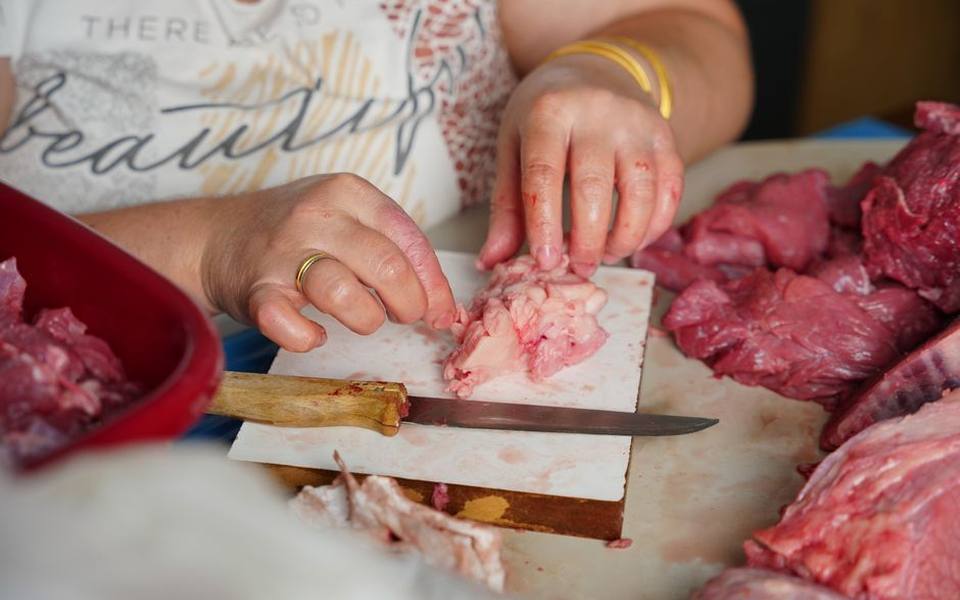
If you aged a bone-in primal cut, use a bone saw or butcher hand saw to separate the chine bone before cutting between the ribs to create thick, bone-in steaks. If you aged a boneless strip loin, simply square off the ends and portion the central eye into steaks measuring at least one and a quarter to one and a half inches thick.
The removed pellicle is not spoiled meat, but its tough texture and concentrated flavor make it unsuitable for grilling as steak. Many cooks grind the non-moldy, dry trimmings into fresh chuck or brisket trimmings to impart a rich, aged dimension to homemade hamburger patties, or use the dense bones to enrich rich culinary stocks and gravies.
Managing Yield Loss and Evaluating True Costs
Home dry aging requires realistic financial expectations regarding usable yield. Over a standard thirty-day cycle, a whole subprimal will typically lose ten to fifteen percent of its original weight simply through water evaporation. When you subsequently trim away the hard external rind and scrap fat, total yield reduction can easily reach twenty-five to thirty-five percent.
Because of this unavoidable loss, the per-pound cost of your finished steaks will always be higher than the purchase price of the raw subprimal. Starting with a cut priced at twelve dollars per pound often results in a true cost of eighteen to twenty dollars per pound once evaporation and trim waste are calculated into the final equation.
Even with these yield realities, aging beef at home remains far more economical than purchasing individual dry-aged steaks from luxury retail markets. Buying whole subprimals in volume from regional meat purveyors, such as those found throughout butcher shops in Texas or across all states, allows dedicated home cooks to enjoy dry-aged steaks for roughly half the retail counter price.
Recognizing Spoilage and Critical Safety Markers
Food safety during dry aging relies entirely on maintaining cold temperatures and good surface dehydration. The surface of healthy aged beef should feel firm, leathery, and dry to the touch, with a deep mahogany or purple-black color. A sticky, slimy, or wet surface indicates excessive humidity or stagnant air, signaling rapid bacterial proliferation rather than safe desiccation.
Visual mold growth requires careful inspection. Light patches of dry, white mold are harmless strains related to penicillin cultures that frequently develop in traditional curing environments. However, if you observe fuzzy green, deep black, or yellow molds forming on the meat, the subprimal has been contaminated by moisture spikes and unsafe fungal spores, meaning the cut should be discarded.
Your sense of smell provides the most reliable indicator of safety. Healthy aged beef emits an earthy, nutty, slightly sweet aroma similar to fresh mushrooms or mild cheese. If the meat produces a sharp, putrid, acrid, or ammonia-like stench, microbial decomposition has taken hold. When aging specialty meats or venison, following established wild game principles from deer and game processing experts ensures you never compromise food safety.
Published 2026-09-24 · reviewed with each rebuild, last September 2026.
Find butcher shops near you
The directory lists 13,556 butcher shops by state and city — pick your state or use the “Near me” button in the header.
More guides
-
 Buying
Flank Steak vs. Skirt Steak: The Complete Flat Cut Guide
-
 Storage
Storing Fresh Meat and Deli Cuts: Refrigerator and Freezer Timelines
-
 Money
MoneyUnderstanding Beef Prices: Retail Costs, Hanging Weight, and Bulk Buying
-
 Buying
Ribeye vs. New York Strip: Flavor, Marbling, and Texture Compared
-
 Storage
Freezer and Fridge Meat Storage Guide: Shelf Life, Freezing, and Safety
-
 Buying
Ribeye vs. New York Strip: Cut Comparison, Flavor, and Texture
-
 Buying
A Complete Guide to Roasting Prime Rib and Navigating the Butcher Counter
-
 Money
MoneyUnderstanding Beef Costs: From Everyday Retail Cuts to Bulk Whole Cattle Purchases
-
 Owning
Essential Butcher Tools: Meat Thermometer Buying Guide and Knife Sharpening
-
 Buying
Complete Guide to Beef Tenderloin and Filet Mignon
-
 Buying
Bistro Steaks: How to Choose, Prep, and Grill Flank, Flat Iron, Hanger, and Bavette
-
 Buying
Beef Short Ribs, Plate Ribs, and Flanken Cut Guide
-
 Buying
A Guide to Cornish Game Hens, Guinea Fowl, and Specialty Poultry
-
 Buying
Chorizo, Andouille, and Specialty Artisan Sausages: A Practical Guide to World Styles
-
 Buying
Butcher's Guide to Pork Shoulder, Boston Butt, and Country-Style Ribs
-
 Buying
Butcher's Guide to Ribeye, Tomahawk, Cowboy, and Chuck Eye Steaks
-
 Buying
A Guide to Offal, Beef Tallow, Bone Marrow, and Specialty Cuts
-
 Buying
A Butcher's Guide to Deli Meats, Cured Cuts, and Charcuterie Selection
-
 Owning
Butcher Tools Guide: Thermometers, Knife Sharpening, and Essential Supplies
-
 Buying
Corned Beef Brisket: Cut Selection, Home Curing, and Cooking Guide
-
 Buying
Beef Short Ribs and Korean Kalbi Buying and Cooking Guide
-
 Buying
Grass-Fed Beef, Pasture-Raised Meat, and Clean Meat Sticks: A Buyer's Guide
-
 Buying
Pork Spare Ribs, St. Louis, and Country-Style Ribs Guide
-
 Owning
Butcher's Guide to Rich Chicken Broths and Regional Homemade Soups
-
 Buying
Bacon-Wrapped Jalapeño Poppers: A Complete Butcher's Guide
-
 Buying
A Butcher's Guide to Pork Sirloin Roasts, Stuffed Chops, and Crown Cuts