Defining Grass-Fed, Pasture-Raised, and Grass-Finished Meat
Walking up to a modern meat counter often presents a confusing wall of agricultural terminology. While shoppers routinely encounter labels like grass-fed beef, pastured beef, and pasture-raised beef, these terms describe distinct aspects of an animal's life and feeding regimen. Pasture-raised generally refers to an animal that spent substantial time roaming open fields rather than being confined to a concentrated feeding structure. However, pasture-raised livestock might still receive supplemental grain, especially during winter months or the final fattening phase before market.
The phrase grass-fed primarily describes diet rather than spatial environment, though cattle naturally graze when forage is available. Under standard commercial definitions, cattle can be labeled grass-fed if their primary sustenance was forage, even if they spent their final weeks in a dry lot receiving grain rations to build marbling. To ensure an animal consumed exclusively maternal milk, grass, and stored forage like hay for its entire lifespan, consumers look for the specific designation of hundred percent grass-fed and grass-finished.
Knowing how these management styles differ helps clarify why two steaks with similar packaging look completely different in the display case. True grass-finished animals mature more slowly, often taking up to two full years or longer to reach slaughter weight compared to conventional grain-fed steers. This extended growth cycle directly influences the grain of the meat, the yellow tint of the fat cap, and the overall yield of usable primal cuts that an independent butcher works with daily.
The Nutritional Composition of Forage-Fed Cattle
The nutritional profile of grass meat shifts markedly when cattle subsist purely on natural grasses, legumes, and rangeland forage. Research consistently indicates that forage-finished beef contains elevated levels of alpha-linolenic acid, an essential omega-3 fatty acid rarely found in significant quantities in feedlot cattle. While beef is not an outright substitute for oily cold-water fish, swapping grain-finished beef for pastured beef measurably improves the dietary ratio of omega-6 to omega-3 fatty acids toward a healthier balance.
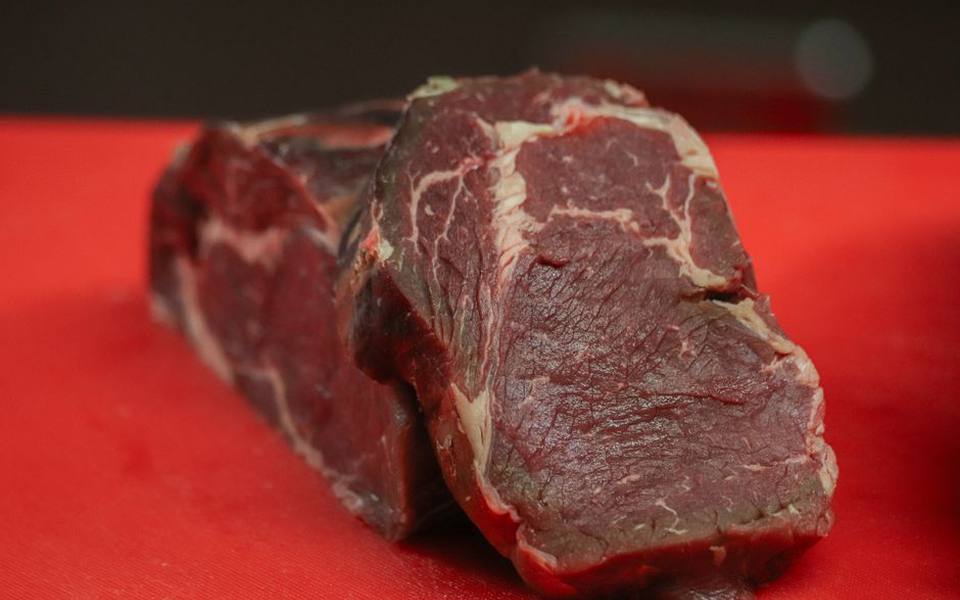
Beyond essential fats, forage-fed cattle store significantly higher amounts of conjugated linoleic acid, commonly abbreviated as CLA. Conjugated linoleic acid is a naturally occurring trans-fatty acid produced by ruminate microbes that studies link to positive metabolic and cardiovascular outcomes. Because green forage delivers substantial carotenoids and chlorophyll precursors, the resulting muscle tissue and surrounding adipose layer also carry higher concentrations of vitamin E, beta-carotene, and trace minerals like selenium and zinc.
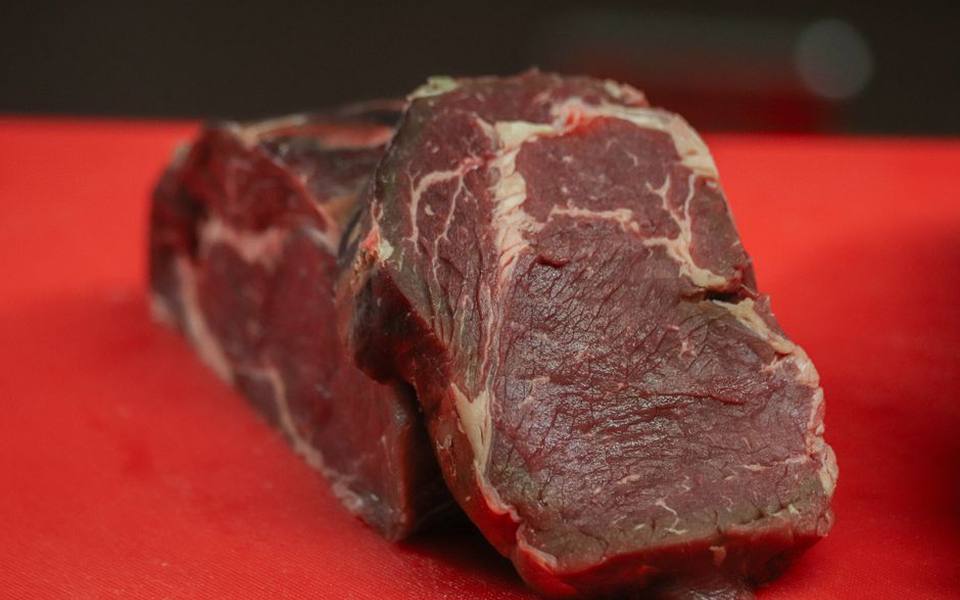
This distinct diet also shifts the physical characteristics of the fat itself, which often catches first-time buyers off guard. The outer fat trim on grass-fed cuts typically carries an ivory or distinct yellow cast rather than the chalky white seen on commercial supermarket loins. This pigmentation stems directly from accumulated beta-carotene metabolized from green plants, signaling an animal that actively harvested its food across diverse pastures rather than eating processed commodity feeds.
Grass-Fed Ground Beef Versus Organic Hamburger Meat
Ground trim remains the entry point for most households buying sustainable meat, yet shoppers frequently conflate grass fed ground beef with certified organic hamburger meat. Certified organic beef must come from animals fed certified organic feeds, raised without synthetic hormones, and kept free from preventative antibiotics. Crucially, however, certified organic regulations permit cattle to consume substantial amounts of organic corn, soy, and agricultural grains, resulting in fat composition and marbling closer to conventional beef than forage-fed livestock.
Conversely, grass fed hamburger meat can come from ranches that follow regenerative grazing principles without holding the formal USDA organic seal. Obtaining third-party organic certification involves notable annual overhead that many small, regional family farms simply forgo. Instead, these producers focus strictly on pasture management, rotational grazing cycles, and soil biological health, delivering a pure forage-finished product that technically lacks the green organic shield despite exceeding its baseline standards.
When preparing burgers, the difference between these categories appears quickly on the skillet or grill grate. Standard organic hamburger typically cooks similarly to traditional chuck, releasing a modest amount of white-rendered fat and remaining tender at medium-well temperatures. True grass-fed ground beef contains less total lipid content per ounce, cooks more rapidly, and requires gentle thermal handling to keep from losing its natural moisture and firming into a dense patty.
How Pasture Rearing Shapes Flavor and Kitchen Technique
The flavor profile of pasture raised beef reflects the regional terroir where the herd grazed, mirroring the complexity seen in fine farmstead cheeses. Rather than the uniform, buttery sweetness characteristic of feedlot beef fattened on corn and distiller grains, grass-finished meat presents deep savory notes, subtle mineral hints, and an earthy undertone often described as game-adjacent. The intensity varies noticeably depending on whether the herd grazed on mountain grasses, native rangeland shrubs, or clover-heavy coastal pastures.
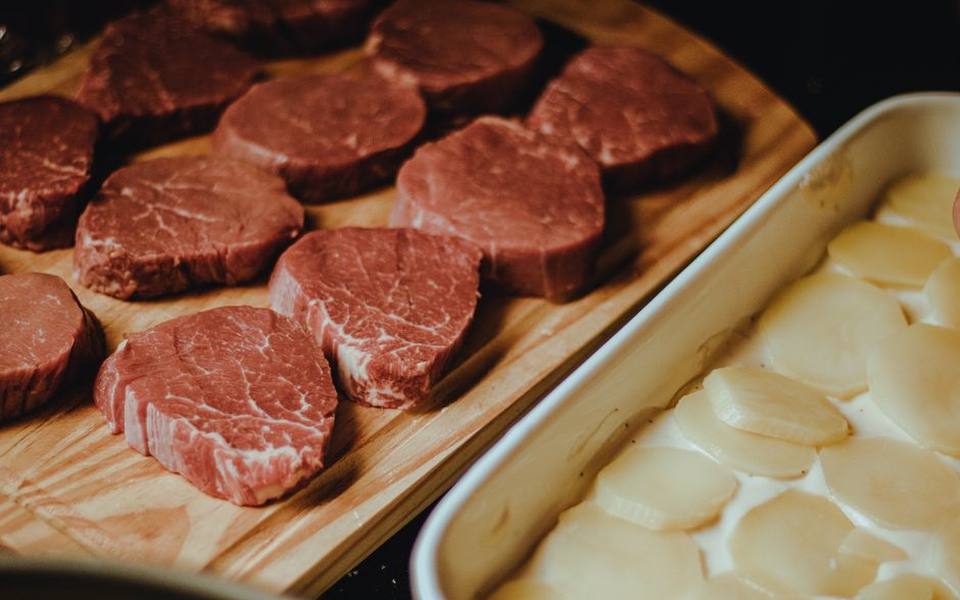
Because pastured animals walk daily across expansive fields, their muscle fibers develop greater structural integrity, resulting in a denser grain that requires different cooking approaches. When pan-searing grass-fed steaks, professional cooks typically lower their burner heat slightly and shorten cook times by roughly thirty percent compared to grain-fed cuts. Applying high heat too aggressively can cause the lean outer muscle fibers to tighten rapidly, driving out flavorful intra-muscular juices before the center warms.
Allowing steaks to rest thoroughly after cooking is essential for any lean cut of pasture-raised beef. Resting on a warm cutting board for seven to ten minutes lets the compressed muscle fibers relax and reabsorb hot moisture evenly throughout the cut. Seasoning simply with coarse salt and finishing with a pat of cultured butter can complement the robust, herbaceous notes of the meat without obscuring the distinct character developed during months on pasture.
The Shift Toward Clean-Label Beef Sticks
The demand for pasture-raised meat has spurred a major transformation in the portable snack aisle, reshaping the classic dried meat stick. Historically, convenience store beef sticks were heavily processed concoctions packed with corn syrup solids, sodium erythorbate, artificial smoke flavorings, and meat scraps from non-traceable supply chains. Today, health-conscious consumers seek shelf-stable snacks that align with clean-eating, ancestral, and ketogenic diets without compromising on ingredient integrity.
Leading this market shift are products like Chomps beef sticks and Paleovalley beef sticks, which built national followings by emphasizing whole-muscle sourcing from grass-fed cattle. These modern snacks substitute industrial binders and sweet fillers with sea salt, organic spices, and unrefined celery juice. By avoiding chemical tenderizers and synthetic additives, these brands deliver a firm snap and an authentic meat flavor that closely mirrors traditional artisanal charcuterie rather than mechanized meat paste.
Production methods create noticeable taste distinctions between competing clean brands on store shelves. While standard mass-market sticks rely on encapsulated citric acid to chemically drop pH levels for shelf stability, artisan producers like Paleovalley utilize natural lactic acid fermentation. This traditional curing method not only preserves the meat naturally without harsh sour additives, but also introduces naturally occurring gut-friendly microorganisms and a mellow, tangier culinary profile.
Poultry Options and Clean Turkey Sticks
Alongside red meat snacks, poultry-based alternatives have earned significant space in lunchboxes, gym bags, and hiking packs. Options like Chomps turkey sticks provide a lighter alternative for consumers who prefer leaner poultry or avoid red meat entirely for personal or dietary reasons. Turkey sticks made from antibiotic-free, free-range poultry provide high bioavailable protein with minimal total saturated fats, making them an efficient portable source of clean daily nutrition.
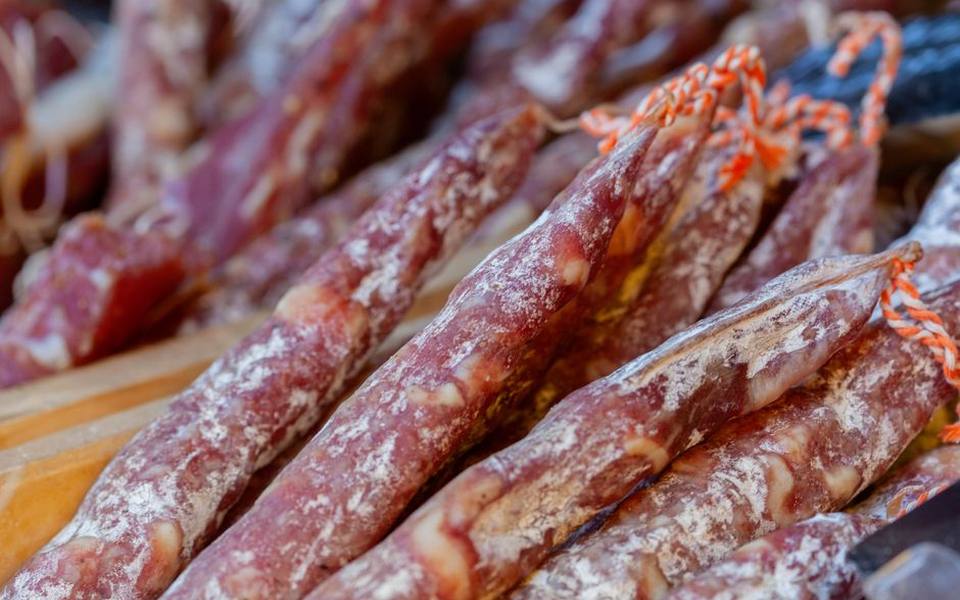
Crafting an enjoyable poultry stick requires careful formulation because turkey breast is naturally lean and lacks the rich fat that keeps beef sticks tender. Producers must balance lean turkey meat with precisely measured natural moisture carriers, gentle spice blends, and natural casings that provide an audible snap upon biting. When executed properly, a clean turkey stick delivers a savory, peppery chew without the spongy or rubbery texture that plagues conventional low-fat snacks.
Shoppers examining poultry snack packages should look for certifications verifying humane handling and free-range living conditions. While poultry cannot be classified as grass-fed in the same manner as ruminants—since birds cannot thrive exclusively on cellulose and grass—pasture-raised birds that forage for insects, seeds, and outdoor flora yield notably richer, more flavorful meat than birds reared inside densely packed commercial poultry barns.
Preservatives, Fermentation, and Label Reading
Evaluating snack sticks requires looking past bold front-of-package marketing claims to scrutinize the ingredient panel on the back. Conventional dried meat snacks typically rely on sodium nitrite and potassium sorbate to prevent bacterial blooms and preserve a bright pink aesthetic during extended shelf life. Clean-label snacks bypass synthetic cures by utilizing cultured celery powder alongside natural sea salt, which supply naturally occurring nitrates that convert safely to cure the meat.
The type of casing used also dramatically impacts both the eating experience and the ingredient quality of the stick. High-end pasture-raised beef sticks usually utilize natural beef or lamb collagen casings, which provide a crisp bite and permit smoke and moisture to permeate evenly during smoking. Cheaper commercial products sometimes feature regenerated cellulose or synthetic casings that feel plasticky or peel away awkwardly from the dried meat core.
Sugar content represents another primary dividing line between everyday convenience snacks and nutrient-focused brands. Many legacy jerky and snack products contain several grams of added sugars per serving to balance heavy sodium and industrial chemical cures. Pure grass-fed options from clean snack makers generally eliminate cane sugar, dextrose, and high-fructose corn syrup completely, relying entirely on natural spices like cracked black pepper, garlic, onion, and coriander to season the meat.
The Advantage of Whole-Animal and Custom Butchery
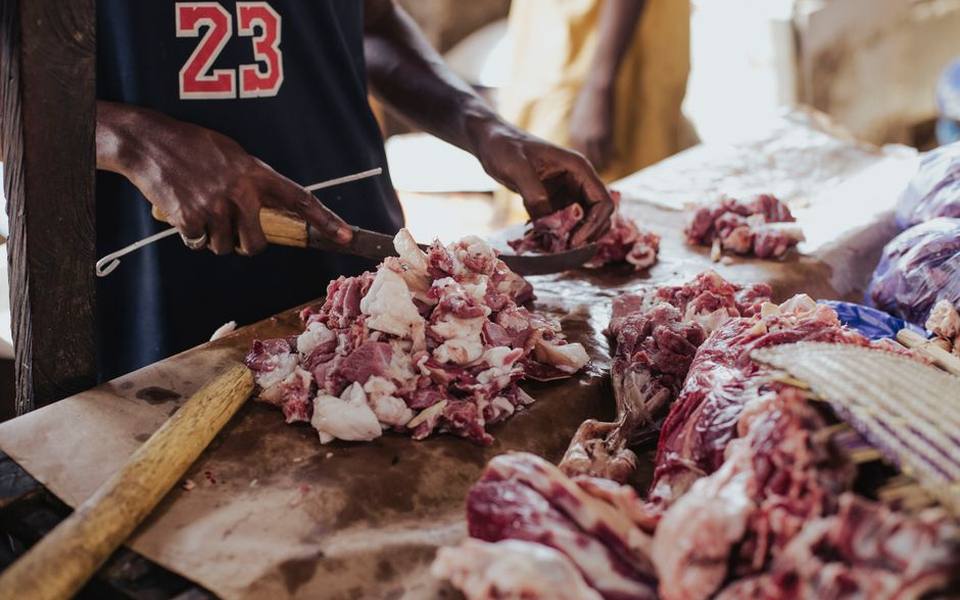
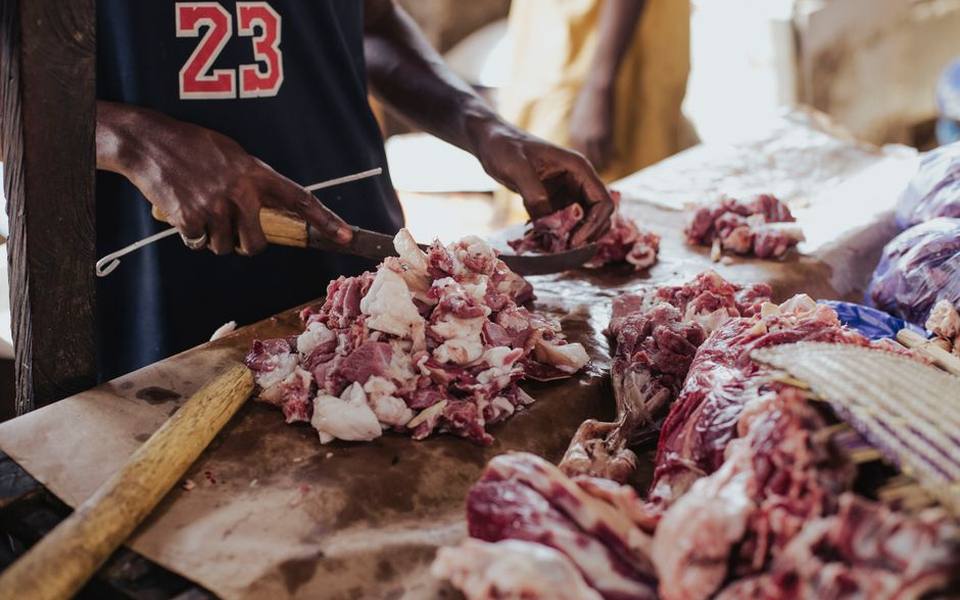
While pre-portioned cuts in vacuum-sealed plastic have become standard in supermarkets, partnering with traditional butcher shops unlocks a different standard of meat buying. Establishing a relationship with custom-cut butcher shops allows customers to purchase pastured meats cut exactly to their preferred thickness, bone-in preferences, and aging requirements. Skilled cutters understand how to fabricate non-traditional cuts like flat iron, picanha, and bavette from grass-fed carcasses that yield tender, flavorful dinners at lower cost.
Purchasing beef directly from local carvers also provides unvarnished transparency regarding where the animal was raised, how it was finished, and how long it was hung. Knowledgeable counter staff can explain whether the farmer utilized rotational mob grazing or supplemental winter hay, details rarely disclosed on industrial grocery packaging. Furthermore, an artisan shop can blend ground cuts specifically for you, mixing chuck, brisket, and short rib trim into a customized blend with your ideal lean-to-fat ratio.
For budget-conscious households, whole-animal sourcing through independent meat markets often represents the most economical path to filling a home freezer with pasture-raised beef. Purchasing a quarter, half, or whole steer through a regional shop locks in a unified price per pound across all cuts, from ground trim up to prime ribeye steaks. This approach bypasses corporate packaging markups while directly supporting both regional livestock growers and skilled neighborhood meat trades.
How Dry-Aging Transforms Pastured Cattle
One common critique of pasture-raised beef from unfamiliar home cooks is that the muscle fibers can lean toward toughness if handled incorrectly. Because cattle that walk pastures all day build working muscle rather than passive feedlot fat, the meat benefits immensely from traditional aging techniques. Visiting butcher shops with dry-aged beef gives buyers access to steaks that have hung in carefully calibrated climate chambers for several weeks prior to cutting.
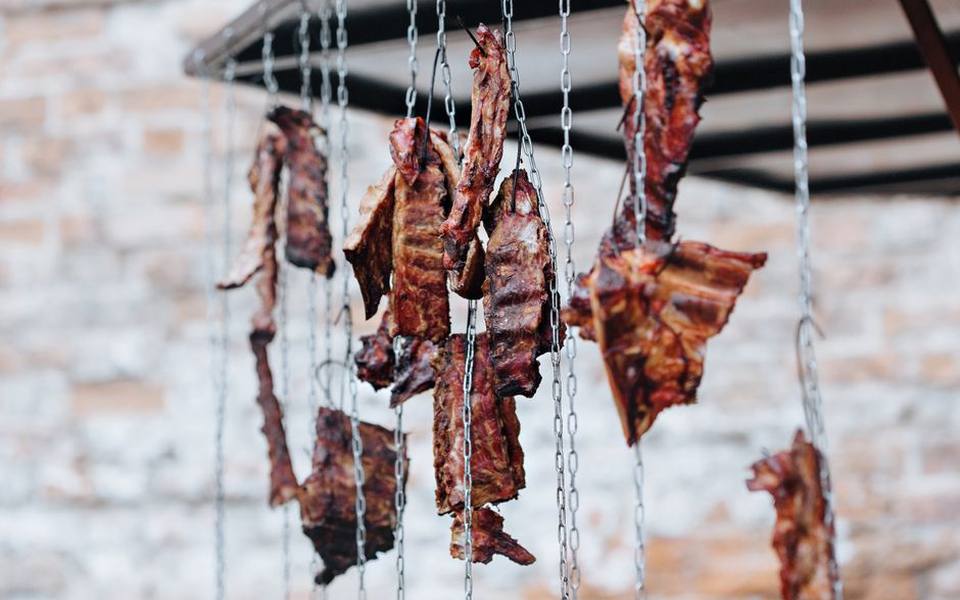
During the dry-aging window, natural endogenous enzymes break down the tough connective tissue surrounding muscle fibers, significantly improving baseline tenderness. Simultaneously, controlled moisture evaporation concentrates the natural savory compounds within the meat, amplifying its deep, earthy complexity. The resulting steaks develop notes of roasted nuts, toasted mushroom, and rich blue cheese, creating a dining profile far superior to standard wet-aged cuts sealed inside plastic shipping bags.
Dry-aging also performs exceptionally well on leaner grass-fed primal cuts that lack heavy intramuscular marbling. The enzymatic breakdown softens lean loins and rib sections, allowing them to cook more predictably in home kitchens without turning chewy. While dry-aging adds to the retail price per pound due to trim loss and storage overhead, the resulting texture makes it a worthwhile investment for special dinner preparations.
Navigating Regional Sourcing and Buying in Bulk
Locating reputable sources for pastured proteins varies significantly based on where you live in the country. Working through an independent directory like ButcherAtlas reveals more than 7,756 listings in top states, connecting consumers directly to neighborhood purveyors who source from local pastures. In cattle-heavy ranching territories like the Southwest, shoppers browsing butcher shops in Texas will find direct ranch-to-table supply chains focusing on heritage longhorn, angus, and wagyu crossbreeds raised on native prairie grasses.
Similarly, consumers along the West Coast seeking sustainable meats can navigate hundreds of agricultural options through butcher shops in California, where coastal pastures and Central Valley ranches produce premium pasture-finished livestock year-round. These regional merchants often partner with local micro-processors to craft their own house-made cured beef sticks, jerky strips, and artisanal sausages, providing a fresh neighborhood alternative to commercial shelf-stable snack brands.
When investing in regional pasture-raised meats, consider investing in a standalone chest freezer to capitalize on seasonal harvest gluts. Late summer and autumn represent the peak seasons for grass-finished cattle, as animals have spent months feeding on nutrient-dense warm-season grasses. Buying ground beef bundles, whole briskets, and assorted primal cuts during these harvest windows allows families to secure wholesale prices while enjoying pasture-fed quality throughout the entire year.
Published 2026-09-20 · reviewed with each rebuild, last September 2026.
Find butcher shops near you
The directory lists 13,556 butcher shops by state and city — pick your state or use the “Near me” button in the header.
More guides
-
 Buying
Flank Steak vs. Skirt Steak: The Complete Flat Cut Guide
-
 Storage
Storing Fresh Meat and Deli Cuts: Refrigerator and Freezer Timelines
-
 Money
MoneyUnderstanding Beef Prices: Retail Costs, Hanging Weight, and Bulk Buying
-
 Buying
Ribeye vs. New York Strip: Flavor, Marbling, and Texture Compared
-
 Storage
Freezer and Fridge Meat Storage Guide: Shelf Life, Freezing, and Safety
-
 Buying
Ribeye vs. New York Strip: Cut Comparison, Flavor, and Texture
-
 Buying
A Complete Guide to Roasting Prime Rib and Navigating the Butcher Counter
-
 Money
MoneyUnderstanding Beef Costs: From Everyday Retail Cuts to Bulk Whole Cattle Purchases
-
 Owning
Essential Butcher Tools: Meat Thermometer Buying Guide and Knife Sharpening
-
 Buying
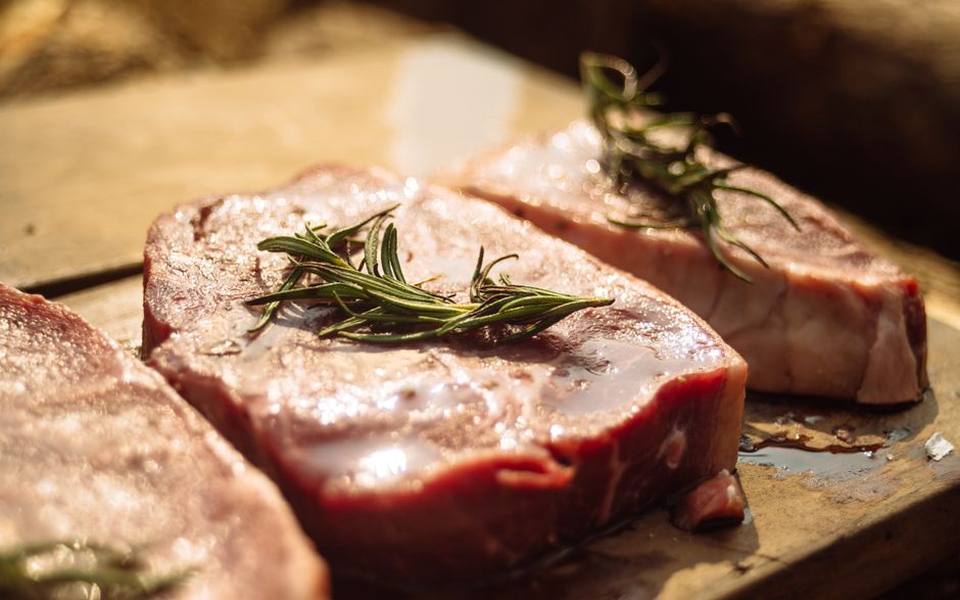
Complete Guide to Beef Tenderloin and Filet Mignon
-
 Buying
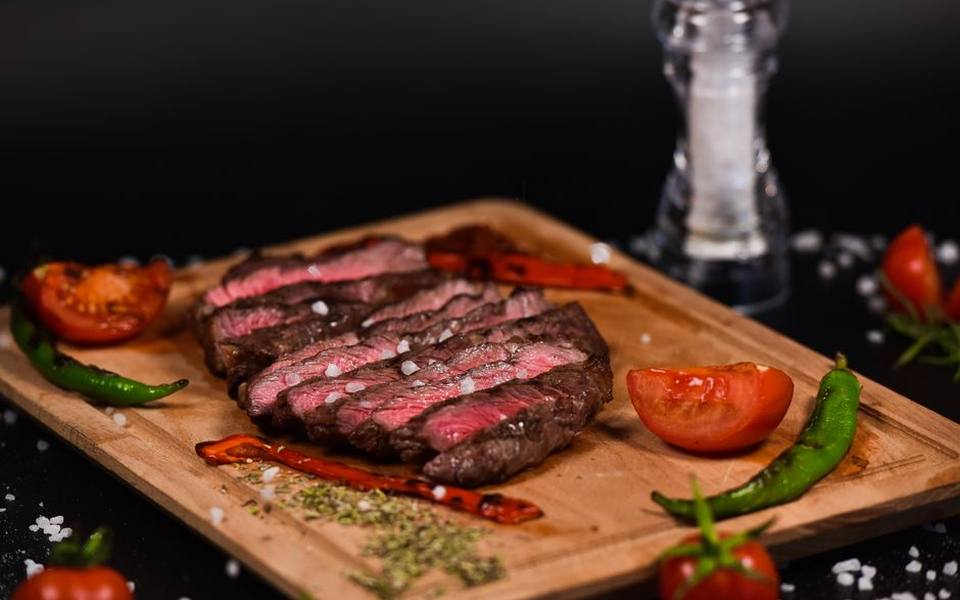
Bistro Steaks: How to Choose, Prep, and Grill Flank, Flat Iron, Hanger, and Bavette
-
 Buying
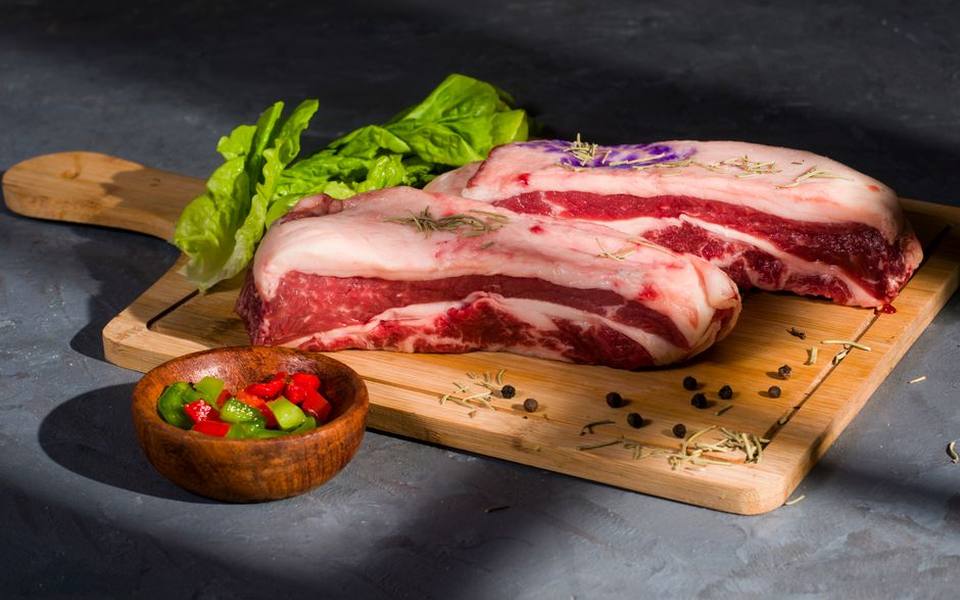
Beef Short Ribs, Plate Ribs, and Flanken Cut Guide
-
 Buying
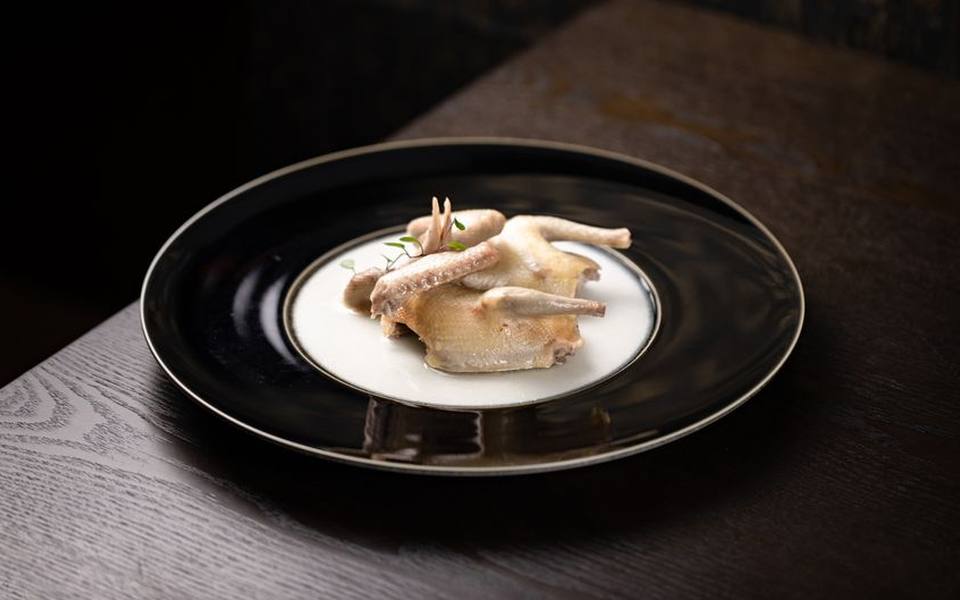
A Guide to Cornish Game Hens, Guinea Fowl, and Specialty Poultry
-
 Buying
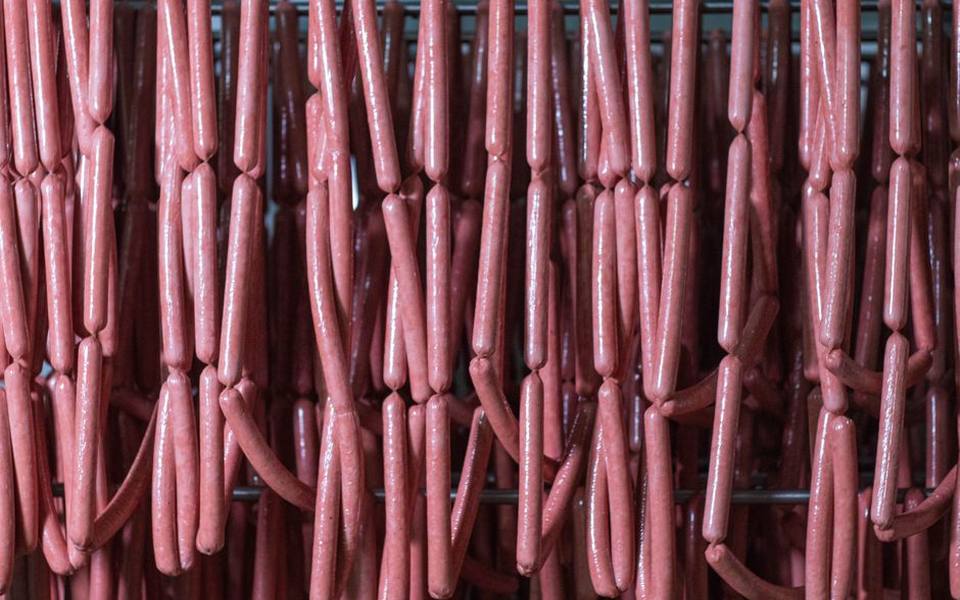
Chorizo, Andouille, and Specialty Artisan Sausages: A Practical Guide to World Styles
-
 Buying
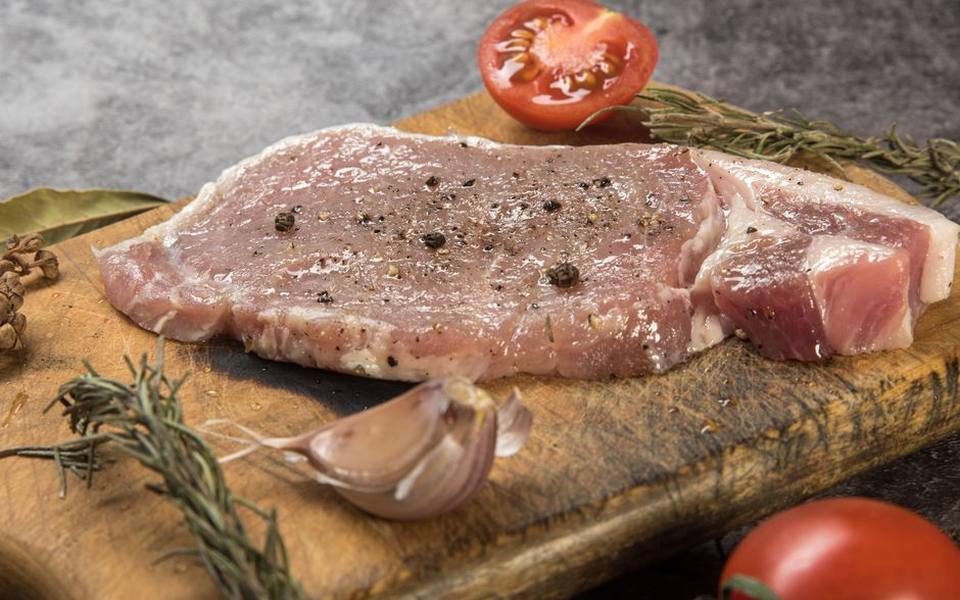
Butcher's Guide to Pork Shoulder, Boston Butt, and Country-Style Ribs
-
 Buying
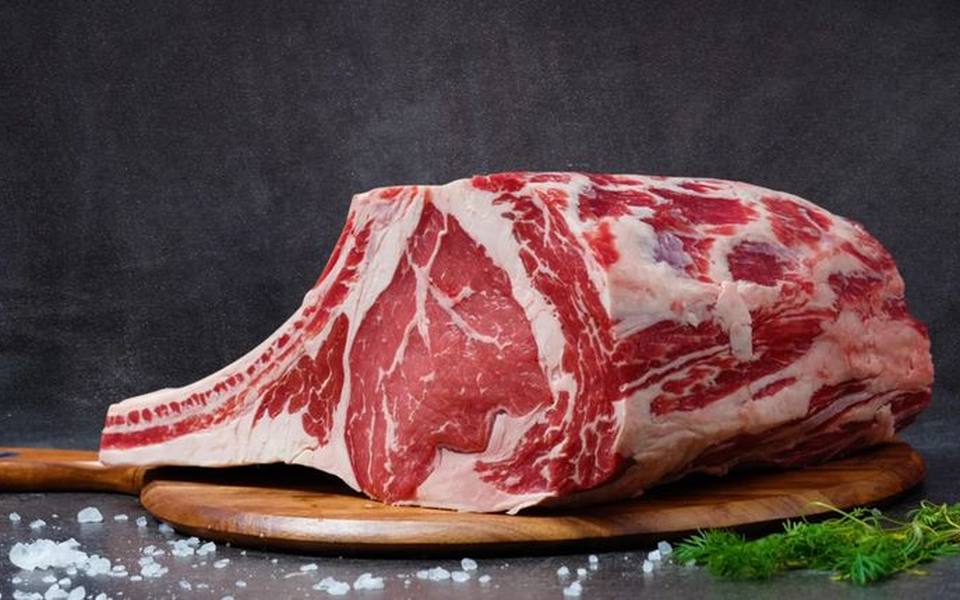
Butcher's Guide to Ribeye, Tomahawk, Cowboy, and Chuck Eye Steaks
-
 Buying
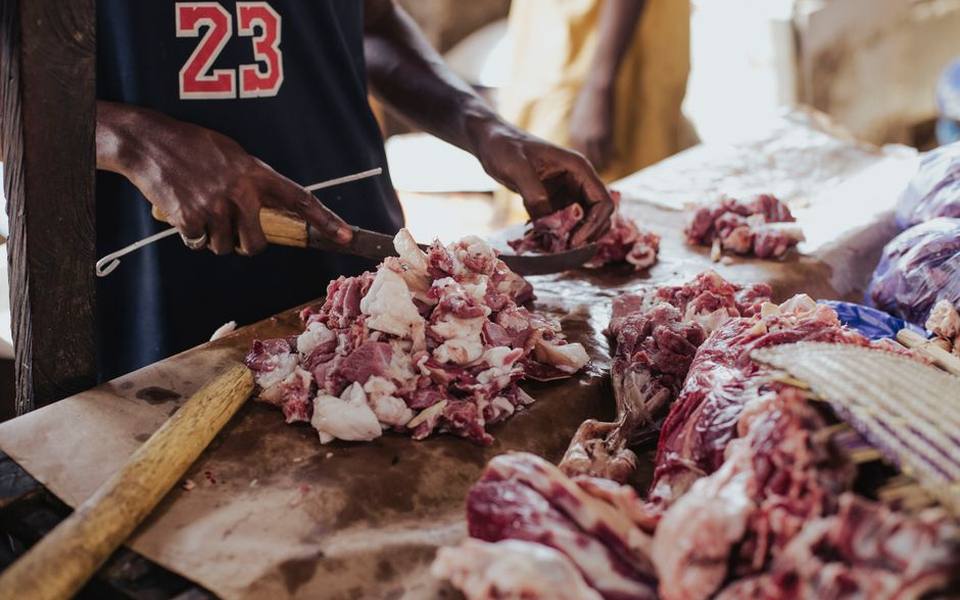
A Guide to Offal, Beef Tallow, Bone Marrow, and Specialty Cuts
-
 Buying
A Butcher's Guide to Deli Meats, Cured Cuts, and Charcuterie Selection
-
 Owning
Butcher Tools Guide: Thermometers, Knife Sharpening, and Essential Supplies
-
 Buying
Corned Beef Brisket: Cut Selection, Home Curing, and Cooking Guide
-
 Buying
Beef Short Ribs and Korean Kalbi Buying and Cooking Guide
-
 Buying
Pork Spare Ribs, St. Louis, and Country-Style Ribs Guide
-
 Storage
The Practical Guide to Dry Aging Beef at Home and Choosing Equipment
-
 Owning
Butcher's Guide to Rich Chicken Broths and Regional Homemade Soups
-
 Buying
Bacon-Wrapped Jalapeño Poppers: A Complete Butcher's Guide
-
 Buying
A Butcher's Guide to Pork Sirloin Roasts, Stuffed Chops, and Crown Cuts